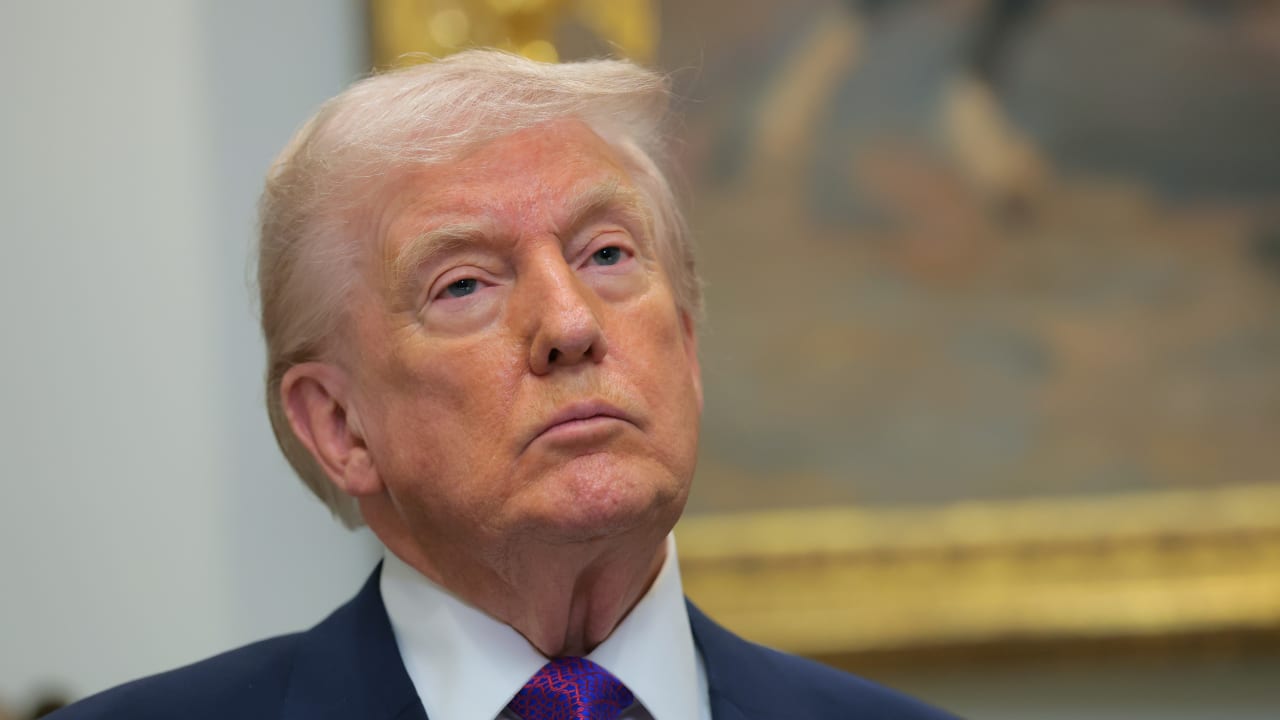
US President Donald Trump has not yet decided whether he wants to strike a deal with Iran, launch a weeks-long war to topple the regime, or initiate a narrow attack to try to pressure Tehran into a deal more to his liking, sources have indicated to The Jerusalem Post.
With massive amounts of fake news and speculation flooding the media, the Post understands that top American and Israeli officials are sometimes ultimately as unsure about what Trump might do next as the general public.
One of the latest trends that sources say has been discussed and is now being widely leaked to the media is the possibility of the president searching for a middle-ground decision, such as a narrow and short attack on the Islamic Republic.
Conceptually, Trump’s hope would be to cause enough harm to the regime to convince it to improve its terms for a diplomatic agreement that would resolve the overall standoff, whether on nuclear or ballistic missile issues, while avoiding a longer drawn-out conflict against the regime itself, which could lead to losing more American lives and a war where success might not be achieved.
Part of this relates to sources who have confirmed to the Post – and apparently Axios and The Wall Street Journal – that top American defense officials, including US Chairman of the Joint Chiefs Gen. Dan Caine, have weighed heavily on Trump in terms of the potential costs of a full-scale war.

The implications of a full-scale war
These costs have been presented to the president as potentially involving American soldiers’ lives, military assets in terms of both land bases and naval vessels, economic losses if global oil markets get disturbed, and political costs if the mission goal is said to be ousting the regime and that does not come to pass.
Trump posted on Truth Social on Tuesday, rejecting insinuations that Caine and other top military officials oppose attacking Iran.
Despite his posts, sources have indicated to the Post that Caine and many top American military officials, while ready to follow any order that is issued, have real misgivings about a longer and wider war with the Islamic Republic.
None of the above reports means that Trump may not cut a deal or order a massive, wider attack.
It is also possible that he is enjoying the multifaceted speculation to confuse the Iranians about what will come next.
But part of the Trump administration’s delay in deciding what to do on Iran since December 28 is not only because of pressure from Turkey, Qatar, Iranian threats, and political opposition from ideological isolationists within his party and administration, but also concerns from his top military officials.