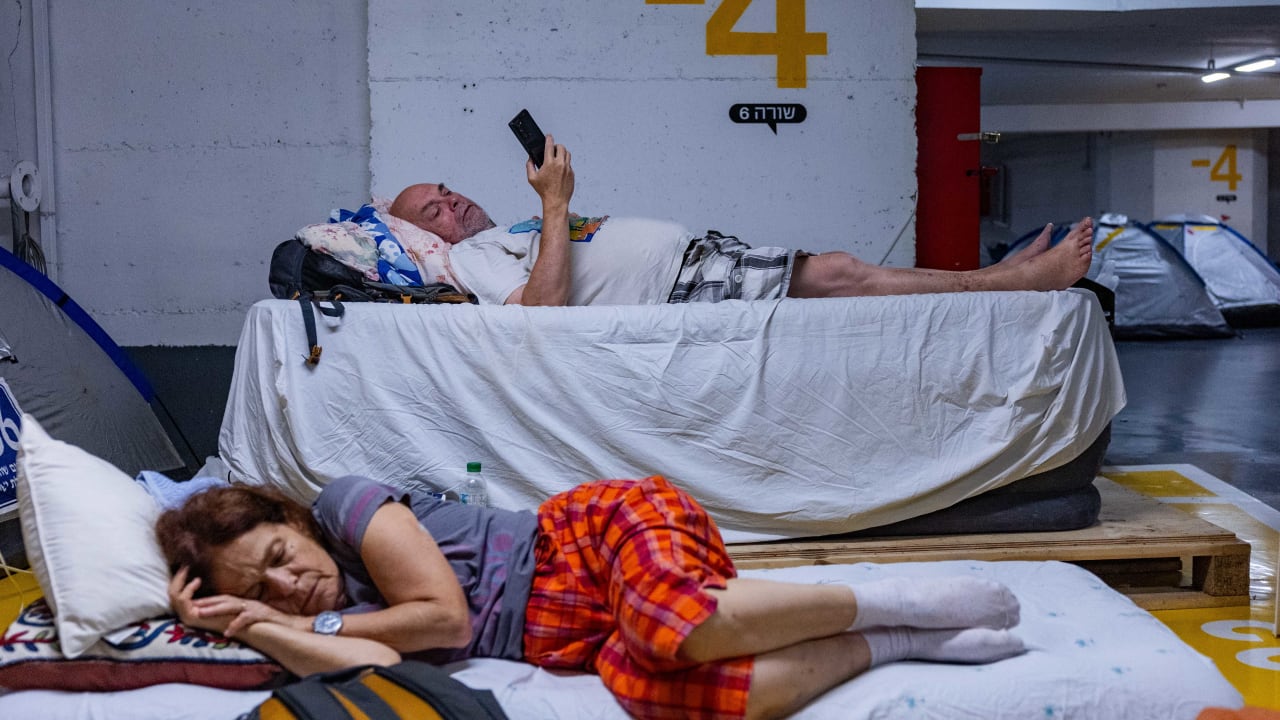
It’s been 21 months since the horrific events of October 7 shattered our sense of safety and marked the beginning of one of the most grueling and complex wars in Israel’s history. We’ve endured terror attacks, rocket barrages, a ground war in Gaza, a northern front in suspense, and just recently, even preemptive strikes on Iran. For months, millions of Israelis have lived in survival mode – evacuated from homes, cut off from communities, juggling extended reserve duty, and absorbing ongoing financial and emotional strain.
Still, while physical injuries and structural damage are visible, the psychological toll of this prolonged, multi-front war is far less obvious – and potentially more lasting.
Since the war began, mental health professionals have reported an unprecedented surge in distress. Calls to crisis hotlines have spiked by hundreds of percent, and for the first time, over 60% of those reaching out are men. Many are reservists, others are civilians who lived through unthinkable trauma.
Strikingly, even with this surge in distress, the number of actual suicides has declined since October 7 – likely a result of increased social cohesion and collective purpose. This is consistent with past crises, where national solidarity temporarily offsets psychological collapse.
Yet, that sense of unity is not permanent. We know from previous wars and global disasters that suicidal ideation and PTSD often surface months or even years later. While some wounds appear to have healed, the trauma is still incubating.
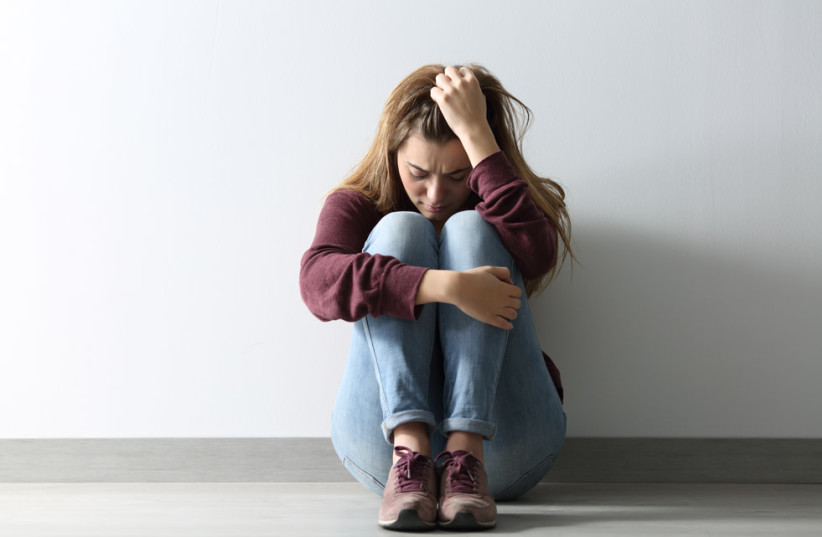
The emotional strain in Israeli society
According to new research from Tel Aviv University, 12% of reservists report symptoms consistent with post-traumatic stress disorder. Anxiety and depression have soared, especially among new mothers. Addiction rates are climbing too, with a sharp rise in the use of anti-anxiety medications and narcotic painkillers.
This emotional strain is showing up inside our homes as well. Divorce rates in 2024 rose sharply compared to the previous year, particularly in the areas of Gaza border communities and the North. Couples and families are seeking therapy in record numbers. We are beginning to see the fraying of intimate relationships under pressure – relationships that once provided stability, now buckling under the weight of constant uncertainty.
Abraham Maslow’s well-known hierarchy of needs reminds us that in times of danger, people naturally focus on basic survival: food, shelter, safety. But war strips away more than just comfort – it disrupts our sense of belonging, self-worth, and purpose.
And yet, history shows that even in the darkest times, people still strive for meaning. During the Holocaust, for example, individuals continued to learn, create, and connect, despite the unimaginable conditions. That spirit persists today. Israelis continue to show up – for one another, for their families, and for their country.
How to heal
First, we must stop treating mental health as a secondary issue. Addressing it is just as urgent as military preparedness. That means expanding access to resilience centers, psychological first aid, and community-based interventions.
About a quarter of a million soldiers have already participated in “processing days” after combat – group debriefings designed to reduce repression and prevent PTSD. These initiatives are critical, but they’re just the beginning.
Mental health care should be as visible and accessible as physical care. That includes better training for first responders, expanded funding for school-based counselors, and mental health education embedded in everyday life – from synagogues to social media.
The public also needs reliable, accessible information from trusted sources – whether it’s the Home Front Command, health funds, or emergency mental health portals. Emotional literacy saves lives. If we understand our reactions, we’re more likely to reach out or help someone else do so.
Despite the darkness, the Israeli people have demonstrated extraordinary resilience. Our spontaneous civilian mobilization, the generosity of volunteers, and our determination to stand together are what give this country its strength.
But resilience isn’t infinite. It requires investment of time, resources, and empathy. We must normalize help-seeking, destigmatize distress, and remember that even lions grow tired. As it says in the Book of Numbers, “Like a lion they rise, and like a lioness they lift themselves.”
Each one of us has a role to play in lifting others. If someone around you is struggling, speak to them. Encourage them to seek professional support. Connect them to resources like ERAN’s 1201 hotline or the Sahar support site. Even a single moment of compassion can alter the course of someone’s life.
Suicide is preventable. But only if we act – together, and in time.
The writer is a lecturer on mental health at the Jerusalem College of Technology. She has a master’s degree in nursing.