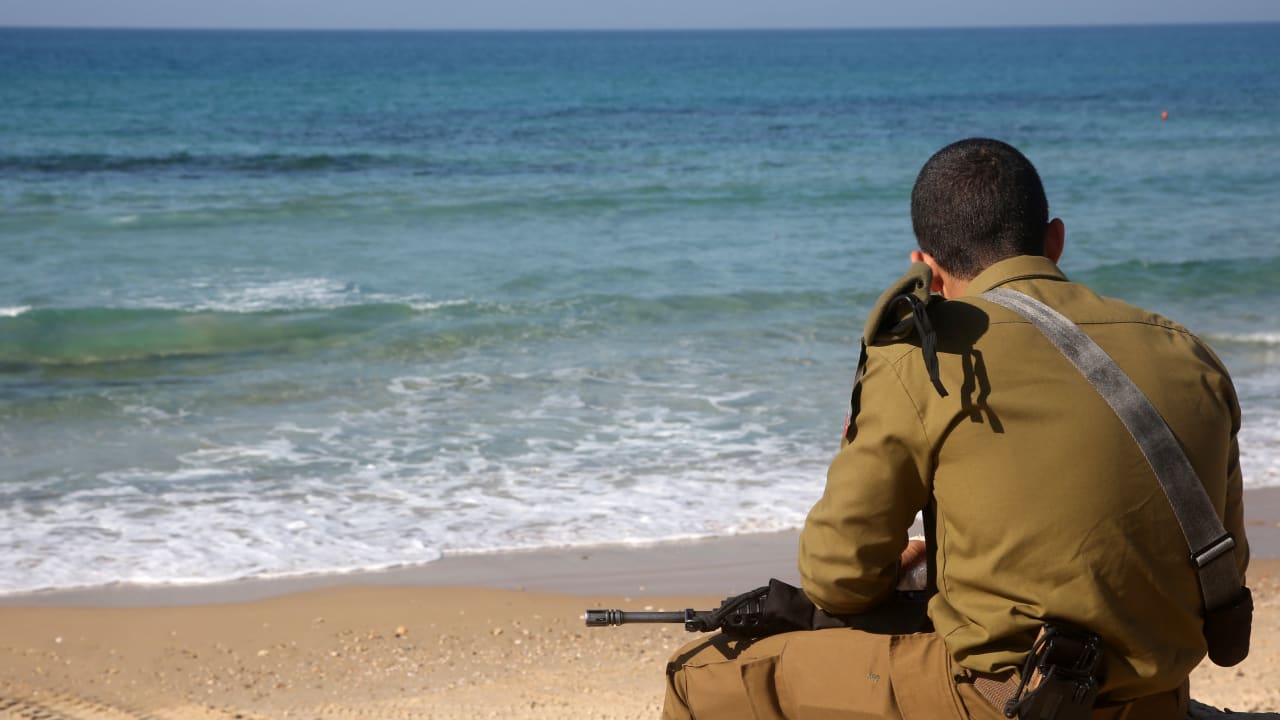
An alarming wave of suicides has swept through the military in the past two weeks. The latest case, a soldier from the Nahal Brigade, follows the deaths of a Golani soldier and two reservists who took their own lives after being released from extended service.
Stark statistics underscore this tragedy. Since the war began, there has been a sharp rise in suicides within the IDF. Seven soldiers died by suicide between the start of the war and the end of 2023, and another 21 in 2024. These official figures, however, don’t tell the whole story; they exclude discharged soldiers.
At least 12 veterans have taken their own lives after leaving the service, and mental health professionals estimate the true number is significantly higher, as no official body tracks these cases.
The prevalence of PTSD in Israel
The prevalence of post-traumatic stress disorder (PTSD) in Israel has surged accordingly, jumping from 16% in August 2023 to 30% by November 2023. Over 9,000 soldiers have sought psychological help. Thousands have developed symptoms of combat stress reaction (shell shock) due to the fighting or the horrific events at their bases, and hundreds have been discharged from service as these symptoms persisted and evolved into chronic PTSD.
Research shows that PTSD is a significant risk factor for the development and exacerbation of heart disease, can lead to problematic alcohol consumption, and is known to increase the risk of dementia in old age. It also leads to a rise in suicidal ideation and actions. A soldier grappling with post-traumatic stress, even subconsciously, cannot effectively defend the nation in the long run.

While initiatives to treat PTSD are emerging from private and public sectors, including the Defense Ministry and health institutions, they are too little, too late. To be effective, intervention must occur as close to the traumatic event as possible to prevent it from becoming entrenched.
Trauma is an invisible wound. It forms when the body remains in a prolonged state of high alert, becoming permanently rewired for danger, whether the threat is present or not. The body’s autonomic nervous system, which is supposed to shift automatically from a state of alert (sympathetic) to calm (parasympathetic) via signals from the heart to the brain, becomes stuck.
In a state of high alert, the body is primed to act optimally against a threat. When the danger passes – which is usually brief – the body returns to a normal, relaxed state. However, a soldier in continuous combat keeps their physiological systems in a constant state of alert. At any moment, they can be shot, stabbed, or harmed.
When the body endures this for months, being called up on emergency Tzav 8 orders with little time at home, Gaza won’t leave them, because their body is now hardwired for danger. This manifests as sleeplessness (sleeping is dangerous), irritability, and intense stress.
Consequently, the body’s restorative systems are neglected as all energy is diverted to survival. Creative thinking is blocked, and concentration on work becomes impossible; when the mind is in survival mode, creativity is irrelevant. As a result, many retreat into avoidance and inaction or develop obsessive thoughts, unable to understand why those around them don’t perceive the same level of danger.
These soldiers often believe their feelings are a natural and temporary reaction to the situation and don’t assign them much importance. Over time, these symptoms worsen, damaging relationships and careers. It’s only when their world collapses, a year or two later, that the full picture emerges. But by then, the PTSD is deeply rooted, and treatment is far more challenging.
Symptoms of PTSD in Israeli reservists
According to published data, approximately 12% of reservists in the Israel-Hamas War report multiple symptoms of post-traumatic stress. Another study examining the economic impact found that the additional cost of PTSD to the Israeli economy over the next five years is estimated at NIS 197 billion. The bulk of this cost stems not from treatment but from lost productivity, lost workdays, and disability benefits for those who have lost their ability to work.
Therefore, intervention at the earliest possible stage is crucial. Such treatment helps the body release stress and regulate itself back to a state of calm. This care must begin even before deployment and is based on techniques researched and validated over the past 30 years. The US military uses a scientifically validated technique (HeartMath) involving short exercises that help soldiers calm down and function optimally even in extremely stressful and challenging situations.
A short preparatory workshop before deployment, where soldiers and commanders learn immediate, battlefield-specific calming techniques, would provide them with “mental armor” to protect their minds, not just their bodies. And before returning to civilian life, soldiers must be given the chance to process their trauma and recalibrate their bodies in intensive decompression workshops.
These should integrate psychological, emotional, and somatic (body-based) therapies to create physical calm and provide tools for returning to a life that moves at a different pace than war. The attrition among our soldiers is immense. They are exposed to horrific sights, lose members of their team, and face mortal danger daily.
Without preventative care, Israel risks losing countless soldiers who will develop symptoms of anxiety and be unable to function. We must care for our soldiers. We must provide them with mental resilience and protect them as they protect us. Otherwise, in two years, we will face a collapsing society and a reserve force that, tragically, may be unable to answer the call of duty.
This is our moral obligation – to them and to ourselves.
The writer is the CEO of the IMFA Association, which runs workshops for treating post-traumatic stress disorder in reservists.