
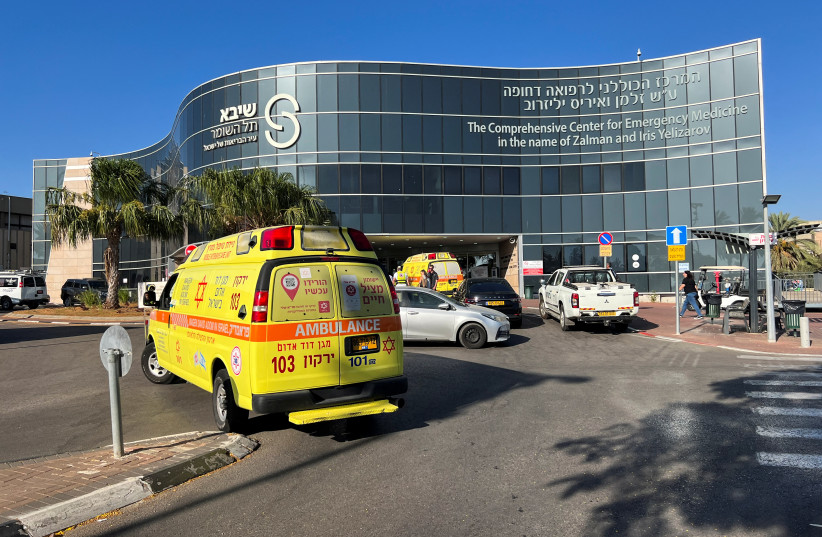
Recently, I took an unconventional step for someone in HealthTech venture capital: I spent an entire day embedded with the medical staff of a general medicine unit at Sheba Medical Center. Not a polite two-hour Zoom meeting or a formal site visit, but a full day, from the morning coffee to the evening debriefs.
The motivation was clear. As a HealthTech investor, I wanted to gain a firsthand, authentic understanding of the real challenges and unmet needs facing frontline medical teams. What I gained was unique in-depth insights, which can’t be obtained via reading articles or purchasing industry reports, but are invaluable for making informed investment decisions.
A study by the American Medical Association reveals that for every hour physicians spend on direct patient care, they spend about two additional hours (!) on documentation and bureaucracy. This stark figure highlights the wide gap between existing technologies and the realities on the ground.
In typical founder-investor meetings, the conversation often revolves around the team, the market, the problem, and the technological solution. But when you stand alongside the medical staff, you quickly discover that the real issues are far more complex, involving processes, integration gaps, and administrative burdens. Direct field immersion reveals the daily workflows, hidden pain points, and opportunities that are often invisible from the boardroom. Startups that invest time in in-depth field research uncover unique insights, overcome adoption barriers more effectively, and ultimately create a strong differentiated product.
Insights from a day in the field
Here are a few practical insights from my day in the field, which I hope could support others if they decide to embark on a similar initiative:
Build trust and transparency: Make it clear that your purpose is to learn, not to criticize. Transparency builds trust and encourages staff to openly share real challenges, especially in sensitive environments like hospitals.
Come prepared but stay flexible: Bring a list of questions, but be ready to pivot based on what you observe. Some of the most valuable insights emerge unexpectedly.
Ask open, targeted questions: Beyond broad questions like “what’s most challenging in your day?”, ask scenario-based questions to uncover specific pain points.
Document in real time: Capture not only answers but also observations about time-consuming workflows, sources of frustration, inefficient protocols, and friction points.
Look for hidden insights: Established routines often mask underlying problems. A fresh, observant eye can identify these and spark differentiated solutions.
Watching the daily routines, listening to team interactions, and observing real workflows provides a grounded understanding of where innovation can make the most impact. It also sheds light on the precise product features needed to drive real change.
The most meaningful innovations are not defined solely by technological sophistication, but by their ability to integrate seamlessly into existing workflows, address well-defined needs, and improve patient care. I believe that anyone willing to leave the office and spend meaningful time in the field with medical teams will return with deep, practical insights that no report or meeting can provide.
Those who observe the system up close learn to see the invisible. One day of field observation could turn a good idea into a great one, an idea that transforms lives and gives innovators a real competitive edge in shaping the future of healthcare.
Eran Lerer is Managing Partner at Shoni Health Ventures, an early-stage HealthTech VC.