
International Holocaust Remembrance Day is a moment of reflection – but it is also a moment of connection. It calls on us to remember not only what was lost but what has endured: the strength of our people, the power of community, and the responsibility we share to protect Jewish life and human dignity in every generation.
Because while the Holocaust is a part of history, its lessons must continue to guide us as history unfolds in the present day. We need to spread tolerance and humanity, and combat hate and ignorance wherever they appear. Inflammatory talk is never just talk. History shows how easily words can become permission to act – and how quickly that license can give way to devastating consequences.
At the same time, we face a paradox of modern life. Social media can connect people across continents in seconds. And yet, while surrounded by constant information, we are too often deprived of a real understanding of one another.
Strength in connection and community
For the Jewish people, that disconnect is not just a social problem. It is a threat to our community. Our strength has always come from knowing who we are, staying connected to one another, and maintaining a sense of shared destiny – especially in a world that can often be hostile.
That is why it is so important to invest in Jewish connection intentionally and consistently. The younger generation needs to connect with one another, participate in Jewish education, and develop Jewish pride – not only as a reaction to crisis but as a source of daily strength.
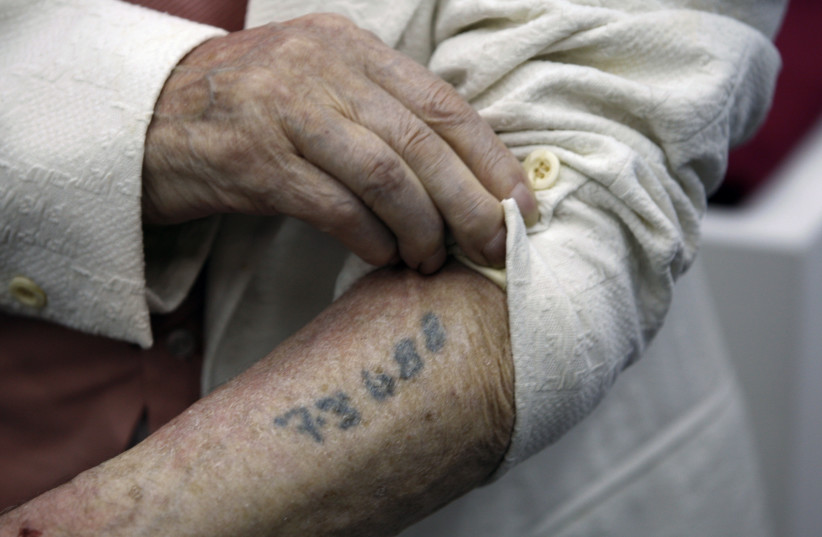
For me, this priority is highly personal. My parents and grandparents were Holocaust survivors. Growing up as a son of survivors means growing up with a vivid awareness that Jewish history does not take care of itself. Survivors carried an instinct that history demands vigilance. They understood deeply that Jewish life cannot depend solely on the goodwill of others, no matter how sincere it may appear in any given moment.
But there is something else I learned from survivors: Despite everything they endured, so many remained optimistic, and committed to living a Jewish life, loving Israel, and building thriving Jewish communities wherever they are in the world. This optimism is not naive – it is courageous. It is rooted in connection and in the quiet conviction that if we stay unified, we will keep moving forward through the next generations.
Responding to moments of crisis
That conviction matters now more than ever. We have repeatedly seen that antisemitism appears in ways both subtle and violent, across continents and ideologies. From college campuses to major cities, from digital platforms to mainstream discourse, ancient hatred has found new language, new disguises, and new permission structures.
In such moments that test us, there is a message that Jews have always recognized: When we are attacked, we respond. I am proud of the response to the October 7 attacks across the Jewish world, by the brave men and women of the IDF, and, particularly, at The Jewish Agency for Israel – being there immediately when Israel needed it the most, and in the long run rebuilding the entire nation and especially the Gaza border communities. The Jewish Agency helps heal the people of Israel through its Fund for the Victims of Terror, while working to protect global Jewish communities through the Security Assistance Fund.
More recently, our response to the Bondi Beach attack during Hanukkah reflects The Jewish Agency’s longtime strength in crisis response. Whether there is a war in Ukraine or an antisemitic attack in America, we are on the ground swiftly to provide resilience support, training, and assistance to communities in need. We are well-situated in Jewish communities worldwide, and we have the infrastructure in place to respond nimbly and efficiently – through our JReady emergency response network (in cooperation with the Diaspora Affairs Ministry), shlichim (Israeli emissaries) who are already on the ground, and trusted partnerships.
We also know that resilience cannot be built only in moments of crisis. It must be cultivated in advance and rooted in identity and belonging. For instance, Jewish Agency shlichim come to North America to foster Jewish identity and connection to Israel in North American summer camps, communities, day schools, and university campuses. By doing so, they demonstrate that there is so much strength around us and a tremendous capacity to connect with each other. We can tap into that strength on a regular basis and be part of something larger than ourselves.
On International Holocaust Remembrance Day this year, “Never Again” must be more than a slogan. It is a strategy. It means strengthening Jewish education and pride. It means investing in communal resilience long before a crisis hits. It means rapid response when a crisis does hit. And it means reinforcing the bonds that make the Jewish people truly a people – across oceans, ideologies, and generations. Because our strength has always been the same: We stay connected, we stay unified, and we move forward together.
The writer is chairman of the Board of Governors at The Jewish Agency for Israel.