Purim, Persia, Tehran: How we fight those who would erase our memory - editorial
This year, Shabbat Zachor frames the chaos. The Torah demands that Jews recognize the pattern, protect the vulnerable, and refuse to forget who they are.

This year, Shabbat Zachor frames the chaos. The Torah demands that Jews recognize the pattern, protect the vulnerable, and refuse to forget who they are.


We were finishing our breakfast when the sirens went off. Instead of a day at the beach, we had a day in the bomb shelter as alerts sounded across the country.

The Islamic Regime has spent decades funneling its people's resources into terror organisations. A region without them would finally have the possibility of security, economic growth, and a future.
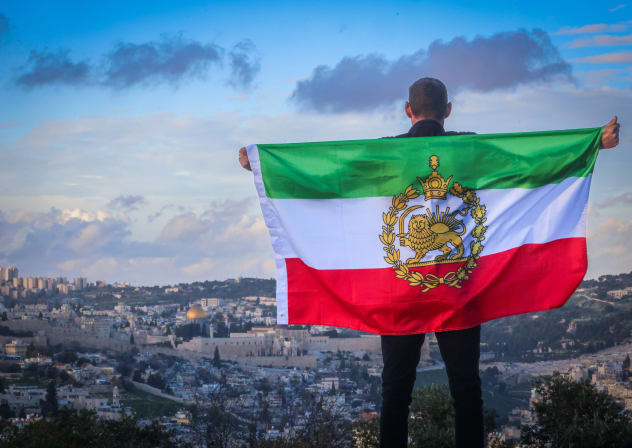
The region is witnessing expansive military operations by the United States and Israel, including moves that, according to American and Israeli sources, will become clearer as the campaign develops.
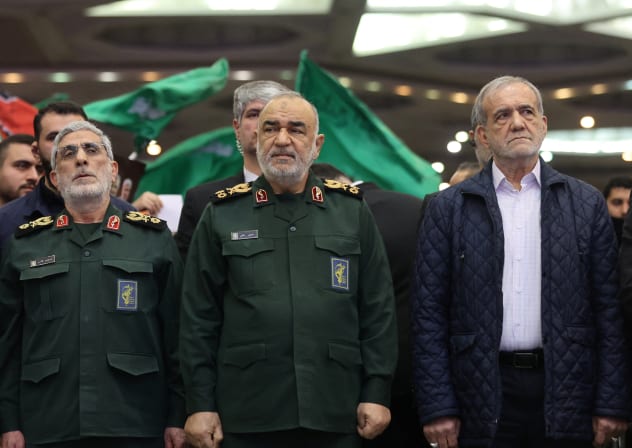
Unlike the previous round, the Iranian regime appears to have been better prepared for the current confrontation, and its response capabilities may have improved since the 12-day campaign.
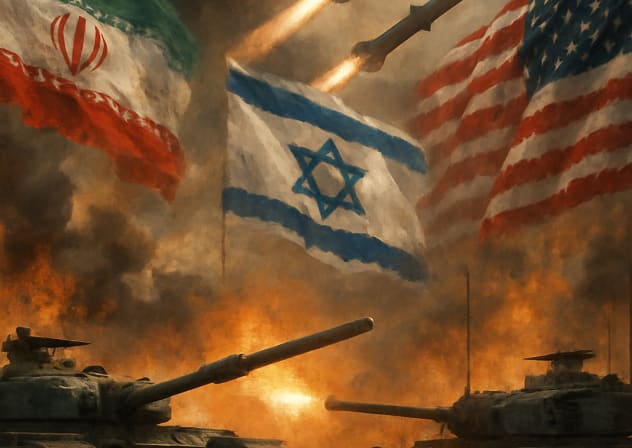
Are growing administrative structures strengthening its mission – or quietly weakening it at a moment of historic vulnerability?

The home front is no longer behind the lines; missiles, digital incitement, and unrest make every city a battlefield.

Real change occurs when the mechanism of loyalty begins to crack; when those loyalists understand that, at a decisive moment, they may find themselves standing alone.
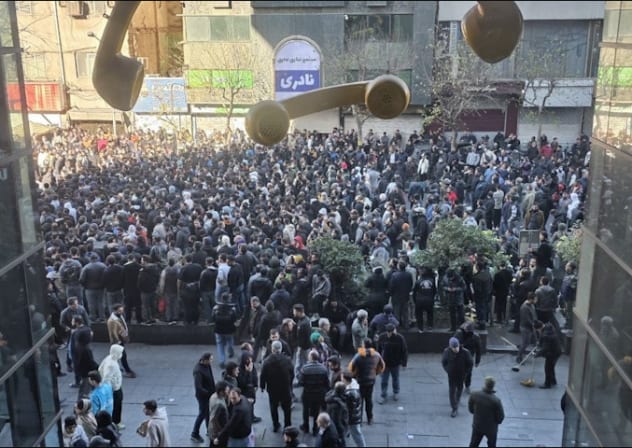
Last week's visit to Israel by radical right-wing podcaster Tucker Carlson was so peculiar it almost parodied itself.

Smotrich is a light-year away from the Israeli consensus. Why does a man who represents but a marginal, detached, and minuscule part of Israeli society sit on its national chest?

All of this began not with Iranians who took the streets, not protesting against uranium enrichment or ballistic missiles, but for freedom, liberty, and basic rights.
