Passover’s missing heart: The silence at the Seder table - opinion
In Temple times, the Seder was not just a storytelling evening. It was built around a real offering brought in Jerusalem.
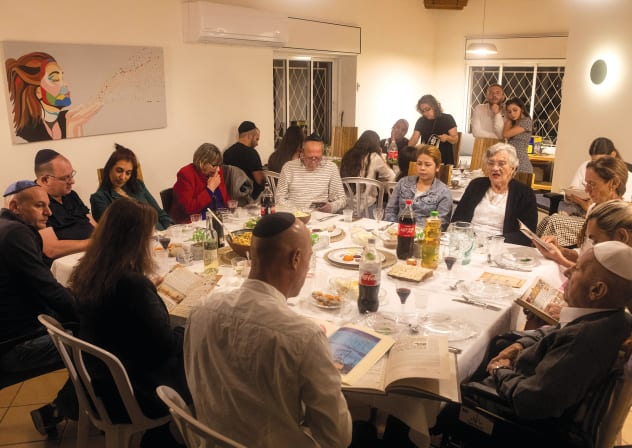
In Temple times, the Seder was not just a storytelling evening. It was built around a real offering brought in Jerusalem.


Call it what it functionally is: a US-Israel security exchange, a strategic defense partnership, or an allied capability investment.
West Bank violence by extremists threatens Israel’s international standing amid its high-stakes war with Iran.

I wish all those celebrating it a “Happy Passover” and as we traditionally say at the end of the Seder: “Next year in Jerusalem.”

The past month’s events lead to one military imperative, one political aim, and one diplomatic opportunity; a grand opportunity, one that is as precious and fragile as it is achievable and overdue.

The US-Israel alliance faces a critical moment as Iran talks test shared interests, expectations, and long-term strategic alignment.
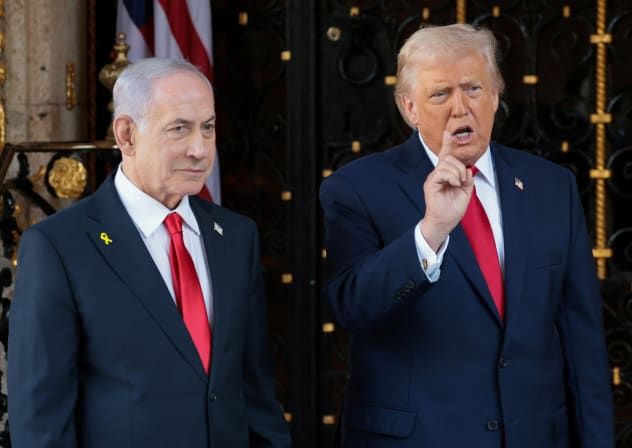
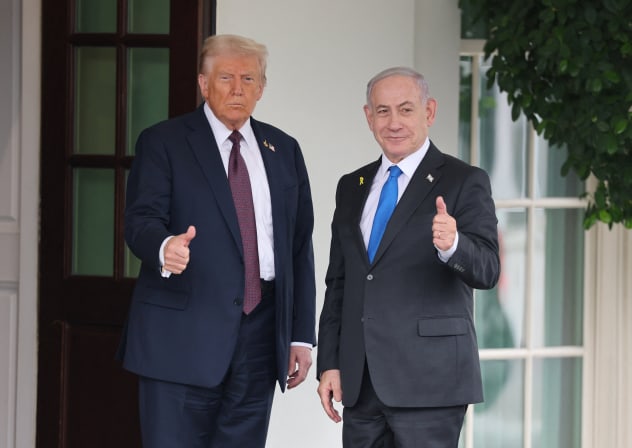
There is always noise around Prime Minister Benjamin Netanyahu. There is always noise around US President Donald Trump. Then a war comes, and the static drops.
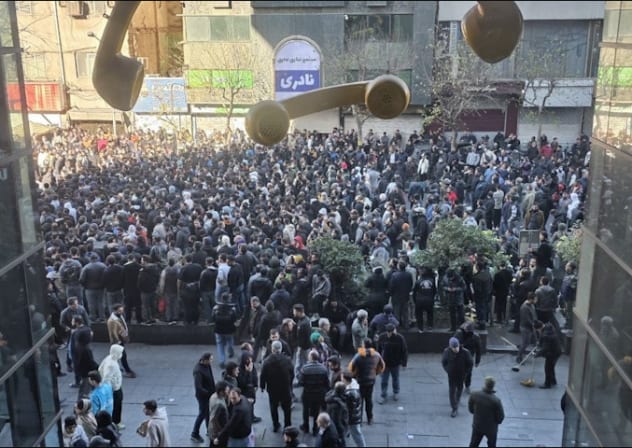
Deal or no deal, ceasefire or no ceasefire, it is an insult to the people of Iran, the people protesting for freedom and dying for it, to pretend that the current leadership is somehow new or better.
The Axis of Resistance may not be the unified alliance it was once assumed to be.

This is a cult-like regime that feeds on grievance, fear, and deception. It is, in essence, a death cult, one that glorifies death and martyrdom while devaluing life itself.

To understand Iran in March 2026, a Shi'ite text may at times illuminate the present more clearly than a headline.