From Shushan to Tehran: Purim’s story repeats itself - opinion
Again and again, the pattern returns: a decree of destruction, a sudden fall, a people still standing.

Again and again, the pattern returns: a decree of destruction, a sudden fall, a people still standing.


Israel’s aim is that Iran’s current regime should be defeated, requiring a popular uprising to take down the Iranian government.

The Islamic Republic of Iran is a theocratic torture state. The IRGC is responsible for murder, mass rape, enforced disappearances, and the execution of children.
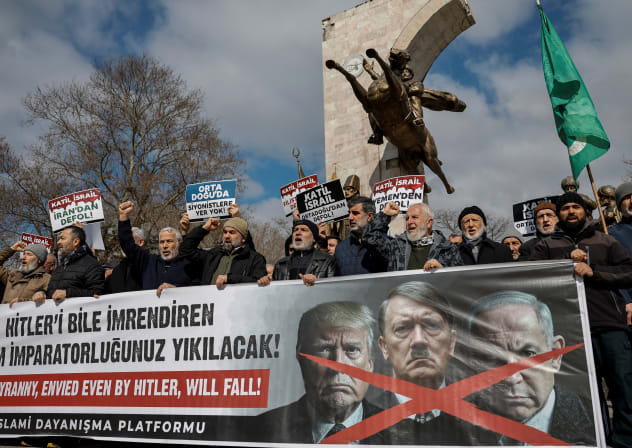
Europe pressures Israel on peace, yet consistently defends its security when existential threats emerge, showing solidarity across decades.

Like Sadat in 1977, Gulf rulers may conclude that diplomacy serves their national interests.

Purim reminds us that Jewish continuity is a miracle, sustained by belief, identity, and unwavering strength.

In both the Purim narratives, we are given the ability to forge our own fate, to take matters into our own hands, and to carry our nation further towards redemption.

Living in Israel during these past years of war has made the message of Purim painfully real.

How the Book of Esther uses letters to safeguard Jewish identity and language during exile and empire.

With Khamenei gone, Iran faces an uncertain future; will the regime fracture or endure amid ongoing US-Israel military pressure?
The enduring rule of Jewish life is to act, even at times of war, with compassion and moral restraint toward all human beings.