Archaeological study
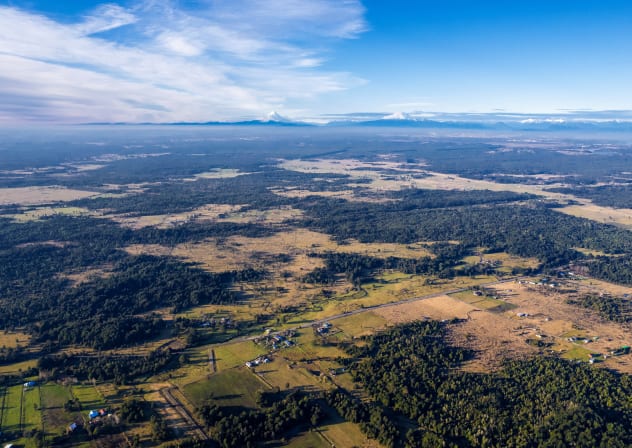
Is Monte Verde really 14,500 years old? Researchers clash over true age of Chile's ancient site
But a study published in March based on different testing called the 1997 study results inaccurate, concluding that Monte Verde dated to between about 4,200 and 8,200 years ago.

Snake snacks? Hunter-gatherer diets in northern Israel included reptiles, new study suggests

‘Smoking gun evidence’: Bronze Age shaman long thought to be male revealed to be female goldworker

Ancient Egyptian princesses were skilled archers, trained with weapons, controversial study claims
Spanish smiths used meteorite metals 3,000 years ago, study suggests
The Treasure of Villena, discovered in the Valencia region of Spain in, is considered one of the most important collections of prehistoric treasure in Europe, consisting of 66 mostly golden artifacts

New study reveals ancient Nile tributary helped transport stone blocks for Egypt's pyramids
The research, identified a tunnel that connected the pyramids of Giza. The tunnel has been identified as an ancient Nile branch, known as the Ahramat.

Peru's congress conducts hearing on alleged extraterrestrial 'Nazca mummies'
However, the authenticity of the so-called tridactyl mummies has been widely disputed by the scientific community.

King Arthur's Hall in Cornwall found to be 4,000 years older than previously thought
The monument was first documented in 1583 by the English cartographer John Norden, who wrote, "It is called Arthur's Hall".

Newly discovered DNA changes previous speculation of Pompeii victims' final moments of life
A recent study has undermined prior assumptions about several victims of the Pompeii tragedy.

Ancient net fishing scenes discovered on 15,800-year-old stones in Germany
A plaquette previously showing a fish was found to include net-like lines. Seven others showed similar net-and-fish scenes.

Skeleton made from bones of five people across 2,500 years found in Belgium
The tomb, known as "Tomb 26," was unearthed in the 1970s during excavations of a cemetery in Pommerœul, near the French border.

Colombian rancher finds largest known fossil of three-meters tall “Terror Bird” in Tatacoa Desert
Fossil bears tooth marks from giant crocodile, hinting at how the predator met its end.

Archaeological mission discovers first Middle Kingdom tomb in South Asasif Necropolis
The excavation revealed a wealth of unique jewelry in the female burials, including necklaces, bracelets, chains, rings, and belts made from red agate, blue and green glazed ceramics, and faience.

Hidden 4,000-year-old fortified town discovered in the Khaybar Oasis of Saudi Arabia
Al-Natah, occupied from 2400 to 1500 BCE, had about 500 residents and is the first of its kind for studying an ancient settlement in northwest Arabia.
