Dna
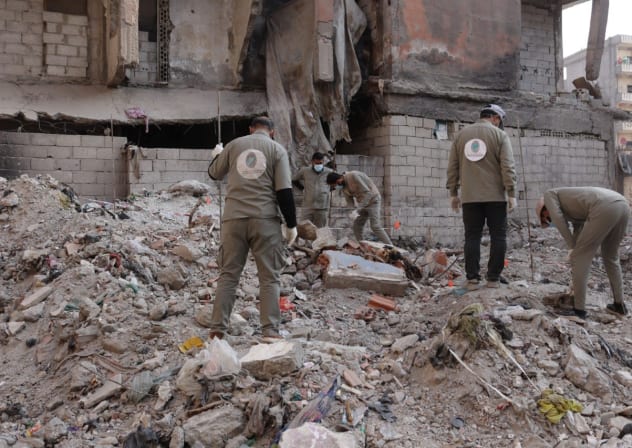
Syria’s first DNA-based identifications offer hope for families of missing persons
The cases offer a possible path towards answers for families across Syria, where tens of thousands of people remain missing after decades of repression under Assad family rule and civil war.

Ancient sheep virus traced through DNA preserved in medieval manuscripts

Tracing roots: Why every Jew should reclaim family histories disrupted by the Holocaust - opinion

‘Smoking gun evidence’: Bronze Age shaman long thought to be male revealed to be female goldworker
How Hannibal's Carthage spread Phoenician culture without leaving a genetic trace
We find surprisingly little direct genetic contribution from levantine phoenicians to western and central mediterranean punic populations, says lead author Harald Ringbauer.

Hungary's King Matthias Corvinus found? Researchers run DNA tests on mystery skull
Renowned for his contributions to Hungary, Matthias Corvinus reformed the judicial system and is best known for having one of the first permanent armies in Europe.

New DNA study reveals Irish passage tombs were communal burial sites, not elite dynastic tombs
"Researchers see Neolithic Ireland as a society of equals, not ruled by powerful dynasties".

Cistercian monks unknowingly used Viking-traded sealskin for book covers
The study found a strong trade network between Greenland Norse and French abbeys, linking Cistercians to broader economies, including the fur trade with Viking descendants.

DNA tests solve 3,300-year-old mystery of Tutankhamun's death
Researchers identified walking impairment and malarial disease sustained by Tutankhamun, supported by the discovery of canes and an afterlife pharmacy in his tomb.

Ancient DNA reveals lost human tribe that lived in Green Sahara
DNA from two mummies at Takarkori links them to 15,000-year-old Taforalt hunter-gatherers, challenging the idea of the Green Sahara as a migration corridor.

Jewish genetic data in danger again as 23andMe goes up for sale
With the company’s data up for sale, the genetic information of 15 million people are now up for grabs.

2007 murder investigation reopened in Italy over new DNA analysis
New DNA evidence led Italian prosecutors to reopen the investigation into the 2007 murder of 26-year-old Italian woman.

TAU researchers use CRISPR to shrink cancer cells - study
'In this study, we demonstrated that there are in fact some genes without which a cancer cell cannot survive, making them excellent targets for CRISPR therapy,' said Prof. Dan Peer.

Rare new sunflower species discovered in Texas national park
Scientists have identified both a new species and genus of sunflower in the Texas desert, but climate change may threaten its future before we fully understand it.
