Neuroscience
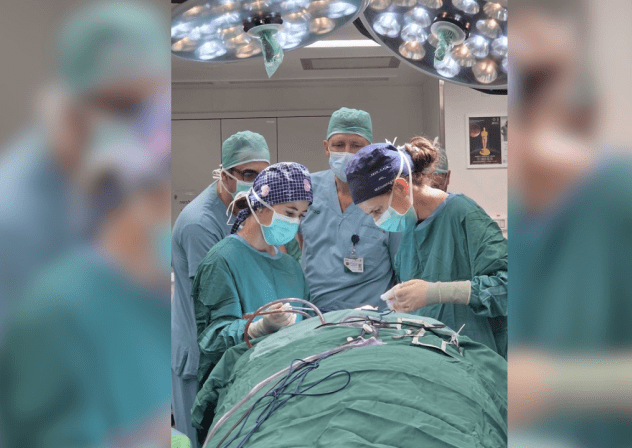
Israeli patient receives new non-invasive treatment for epilepsy in first outside Europe
The EASEE brain stimulation system, first developed in Germany by PRECISIS, is designed to treat epilepsy without opening the skull or inserting electrodes into the brain.

Two out of three 2026 Nobel Medicine laureates were recognized with Technion's Harvey Prize in 2016

How does breathing alter the brain? Inside the science of sighs with a world-leading neuroscientist

Russian cyborg pigeon drones begin real-world testing phases, sparking concern over military misuse
Writing by hand helps people learn more than typing does - study
Research by Norwegian neuroscientists suggests that the pen really is mightier than the (key)board.

Neuroscientists find the importance of dopamine in relationships through rodent study
US study on monogamous rodents shows dopamine is critical for keeping love alive.

Scientists invent brain chip to reduce risk-taking in monkeys
These groundbreaking findings not only showcase the potential of brain chip technology in influencing behavior but also offer valuable insights into the neural mechanisms governing risk attitudes.

‘Eye’ signage placed in operating rooms increases civility among staff
Several unsuccessful interventions have been tried around the world to eliminate poor behavior among surgical teams, including workshops and training sessions; however, the 'eye' signage works.

Scientific breakthrough in the study of neurological disorders
Tel Aviv University researchers make discovery that one of the deleted genes linked to Williams syndrome is responsible for mitochondrial function and regulation in the brain’s nerve cells.

Humans continue to experience evolution, natural selection is ongoing - Newsweek
Evolution is occurring at a more rapid rate than ever before, however the drivers of the evolution have changed.

Exposure to tears leads to lower aggression in males - study
Weizmann Institute researchers: Women have a powerful weapon in their eyes against men’s aggression

Memories of trauma trigger distinct brain activity, say Yale researchers
The results could explain why PTSD patients have difficulty recalling traumatic experiences in a coherent way, and offer an explanation of why these past experiences can trigger disabling symptoms.

Israeli research teams win prestigious ERC Consolidator Grants in a variety of fields
The funding will support excellent scientists and scholars at the career stage where they may still be consolidating their own independent research teams.

Blinking could provide clues to human response under stress
By analyzing the behavior of politicians and game show contestants, researchers can study human physiology under conditions of stress that would be impossible to reproduce in the lab.
