Science
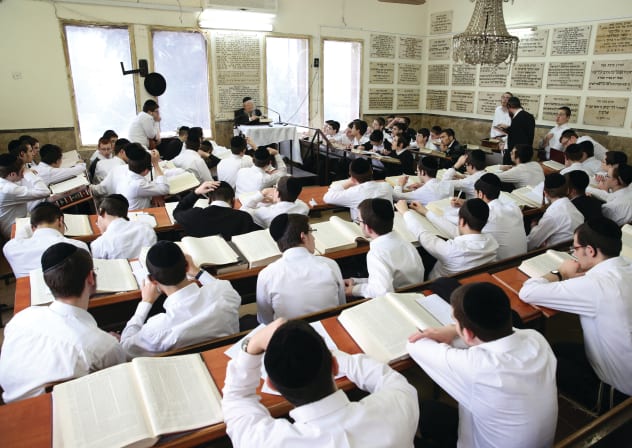
High Court: Israeli gov't must explain why it funds haredi schools without core studies
The order, issued in a petition filed by Hiddush, demands that the Education and Finance ministries explain why state funding is not conditioned on the teaching of core-curriculum subjects.

Israel, Azerbaijan sign declaration of cooperation on AI as ties deepen

Cell-based implant offers new hope for diabetes management, Technion study shows
Early warning system for undrinkable wine glows in the dark
Israeli scientists discover skin gene that helps build body’s first line of immune defense
The findings, published in the peer-reviewed journal Cell Reports, reveal a previously unknown mechanism linking skin development to immune protection and new insight into inflammatory skin diseases.

Russian cyborg pigeon drones begin real-world testing phases, sparking concern over military misuse
While the company insists its mission is purely to serve utilities, logistics, agriculture, and emergency response, the potential to adapt the technology for military use is hard to ignore.

Weizmann Institue, NASA discover Jupiter is smaller and flatter than previously believed
“This research helps us understand how planets form and evolve… by studying what’s happening inside Jupiter, we get closer to understanding how planets like ours came to be.”

Israeli researchers at TAU find noninvasive brain stimulation eases PTSD symptoms
The five-session pilot, conducted in Tel Aviv and published in the journal Brain Stimulation, used individualized transcranial magnetic stimulation targeted to hippocampal networks.

Oldest trace of Syphilis-linked DNA from 5,500-year-old bone shows disease came from Americas
Ancient DNA from a 5,500-year-old skeleton in Colombia reveals the oldest genome of "Treponema pallidum" yet, sharpening evidence that treponemal diseases predate European contact.

War trauma can hinder development of children's teeth, study finds
A study conducted by the Maccabident Research Institute found that ongoing national security tensions led to significant changes in the dental and skeletal development of children and teens.

How AI is bringing the dead back and what that means for the living
A new study by Tom Divon, a media and cultural researcher from the Hebrew University of Jerusalem, explores the use of generative AI to recreate deceased individuals' likenesses.

Israeli Space Week highlights Israel’s growing role in space sector
“The space industry is not only an engine of economic growth and vital to our security - it is our bridge to the future,” Gila Gamliel, Minister of Innovation, Science, and Technology, said.

Triennial report: Israeli science at the precipice
The Israel Academy of Sciences and Humanities warns of the danger of losing independence and being left out of research collaborations.

Habitable worlds may be far more common than thought, Israeli study says
Published in the peer-reviewed The Astrophysical Journal, the research focuses on tidally locked planets, worlds that always show the same face to their star.
