Israel Antiquities Authority
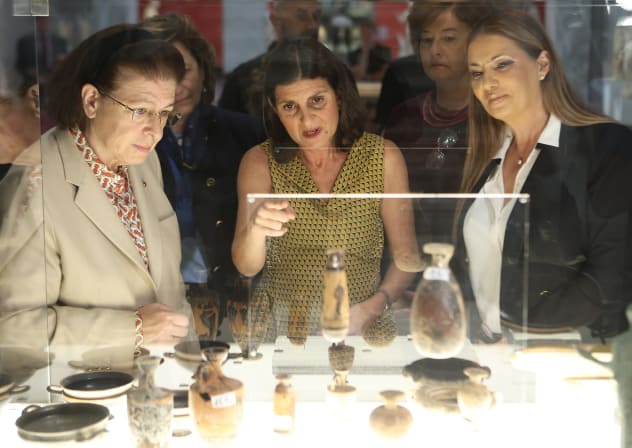
Israel returns 22 artifacts to Greece in first antiquities repatriation between Jerusalem, Athens
The antiquities had been seized during an operation conducted by the IAA's Theft Prevention Unit, before being identified as those belonging to Greece.

Israel unearths 2,000-year-old section of Jerusalem aqueduct that brought water to Temple Mount

Oct. 7 Gaza border shelters designated antiquities as safeguard against 'clean up' projects

How to move an ancient mikvah? Inside the IAA's operation to conserve a Second Temple ritual bath
‘Healing through restoration’: How Israel’s hidden dig site builds community out of archaeology
“Our job is to tell the story of these people, because we are here and we can learn a lot from them," Dagan told The Jerusalem Post.

Border Police discover Second Temple-period burial cave during operations in eastern Jerusalem
The discovery came as part of police’s ongoing investigations into the violent clash between two feuding families in Silwan that occurred over the weekend and led to the deaths of three people.

WATCH: Archaeologists unearth 1,300-year-old ‘shopping hub’ beneath stadium in central Israel
However, IAA researchers have proposed two main theories about what the site served as: either a major trade and industrial station or part of a currently undiscovered nearby settlement.

IAA files indictment against two Fureidis residents caught carrying illegally excavated artifacts
Distelfeld and the other officials found a total of 13 ancient bronze coins, three ancient bronze items, two ancient lead items, and another 14 unidentified metal objects in the suspects' possession.

Nahariya's Byzantine church hit by Hezbollah rocket reopens to public after four months
At the time, the IAA had shared with The Jerusalem Post that only the site's modern, protective structure had been damaged in the strike.

First Temple-era figurine mold unearthed in Jerusalem's 'most significant excavation' in decades
Tower of David Museum Chief Curator Eilat Lieber said that "the discovery of the first mold for producing figurines dating to the First Temple period has generated tremendous excitement."

Ancient Cypriot silver coin found on Ashdod's shore offers new insight into 2,500-year-old trade
The approximately 2,500-year-old coin was located by Ashdod Beaches Department Deputy Director Avi Chaprak during a search to locate objects lost by visitors to the beach.

Days before Tisha B'Av: Charred wooden beams from First Temple’s destruction unearthed in Jerusalem
The First Temple, built by the biblical King Solomon, was destroyed in 586 BCE at the hands of Nebuchadnezzar II, the second king of the Neo-Babylonian Empire.

Secrets of Huqoq: New Galilee exhibit premieres mosaics, coins found at ancient Jewish settlement
The ruins of the ancient settlement of Huqoq, which reached its peak during the Roman-Byzantine period, sits in the heart of the Amiad Forest in an open space near a spring of the same name.

New AI-powered research project aims to uncover the origins of the Dead Sea Scrolls
Research methods will include state-of-the-art chemical, artificial intelligence, paleographical, and codicological analysis of approximately 250 samples of the scrolls from the IAA's collection.
