Archaeologists unearth medieval convent’s heating system during renovations in Switzerland
Gnadental convent was built outside Basel's city wall for Franciscans around 1231, later becoming a temporary home for several orders.
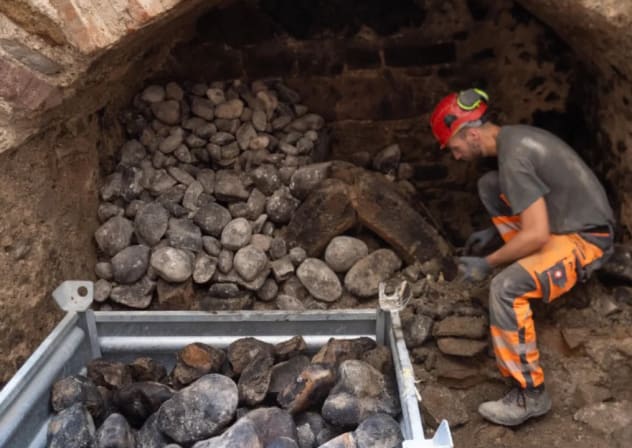
Gnadental convent was built outside Basel's city wall for Franciscans around 1231, later becoming a temporary home for several orders.


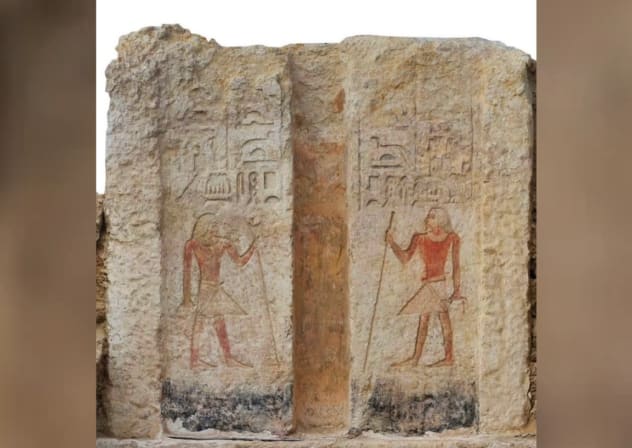
In front of the false door, archaeologists uncovered a complete set of alabaster funerary tools, including an offering table and disc, a purification basin, a jug, and a basin.
“Our job is to tell the story of these people, because we are here and we can learn a lot from them," Dagan told The Jerusalem Post.

The discovery at Asila opens a window into the trade network connected Egypt with the Arabian Peninsula, said Egyptian Minister of Tourism and Antiquities Sherif Fathy.

Alongside the lintel, archaeologists unearthed the remains of a temple believed to have been destroyed by the Romans during the legion’s quarrying efforts.

Notably, the Sheikh Soby site is home to a Late Period cemetery containing the tombs of Bahariya Oasis rulers and priests from that period, including the Temple of El-Bawiti.

"One of the [tombs] contained a clay coffin with a small headless figurine of a pregnant woman," Muhammad Lashkri, director of antiquities and heritage affairs in the Kurdistan Region of Iraq, said.

Italian Culture Minister Alessandro Giuli deemed the discovery “one of the most important underwater archaeological discoveries of recent years.”

The discovery came as part of police’s ongoing investigations into the violent clash between two feuding families in Silwan that occurred over the weekend and led to the deaths of three people.

Using careful examination methods, researchers were able to identify for the first time cut marks made by flint knives in consistent locations on the bones of large snakes found at the site.

Though only fragments of the panel portraying Dionysus and Ariadne have survived, its reconstruction was possible through comparison with other ancient works.
