Archaeologists unearth medieval convent’s heating system during renovations in Switzerland
Gnadental convent was built outside Basel's city wall for Franciscans around 1231, later becoming a temporary home for several orders.
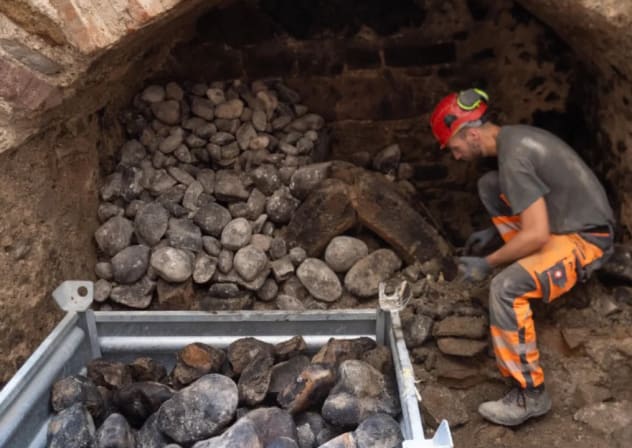
Gnadental convent was built outside Basel's city wall for Franciscans around 1231, later becoming a temporary home for several orders.


The mosaic's design closely resembles one previously discovered in a firefighters' barracks in Ostia, the ancient port of Rome, about 30 km from the capital, the archaeological office said

Vilnius was a major center of Jewish thought, famed for both its religious tradition and modern secular Jewish culture. It was home to the 18th-century Vilna Gaon, a highly influential sage.

Tower of David Museum Chief Curator Eilat Lieber said that "the discovery of the first mold for producing figurines dating to the First Temple period has generated tremendous excitement."

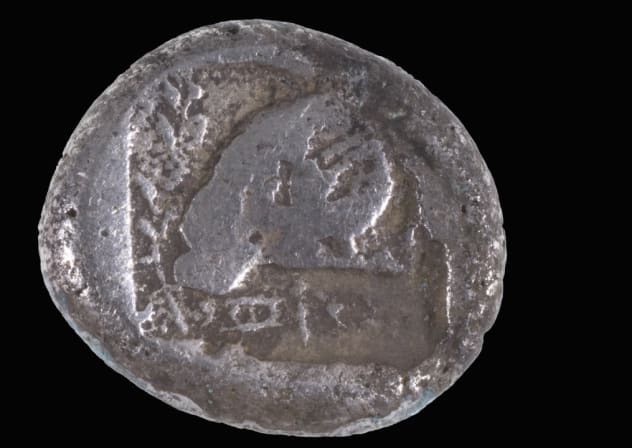
The approximately 2,500-year-old coin was located by Ashdod Beaches Department Deputy Director Avi Chaprak during a search to locate objects lost by visitors to the beach.
Inscriptions found within the tomb bear the name of its owner, “Paser,” as well as wall paintings depicted Paser worshipping the shrines of several deities.

The document, dated to the late 18th or early 19th century, is illustrated with images of ships and religious buildings. It depicts more than 180 islands, along with reefs, landmarks and flags.

His team, equipped with diving gear, has spent the past decade slowly uncovering the history of the ship, whose wreckage lies near the Adriatic island of Mljet.

The Manchester Odyssey dates back to the third century BCE in Egypt, around the time scrolls went out of fashion and “bound” books became more popular.

The First Temple, built by the biblical King Solomon, was destroyed in 586 BCE at the hands of Nebuchadnezzar II, the second king of the Neo-Babylonian Empire.

Basalt seemingly held special importance at GBY, particularly for producing large cutting tools like handaxes and cleavers.
