
A new study by SID-Israel found that donor requirements affect the adaptation of aid programs for women more than organizational policies.
A new Israeli study indicates that donor money has a much larger impact than commonly thought on integrating gender-sensitive thinking into humanitarian aid, and that the questions donors ask may shape the way organizations plan and operate their assistance programs.
The study, conducted for SID-Israel, the umbrella organization for the humanitarian aid and international development community in Israel, indicates that one of the most significant factors for integrating gender considerations into aid programs is not internal organizational policy, but rather the expectations and requirements of donors.
The study was based on in-depth interviews with 17 entities, including aid organizations, donors, a government body, a social innovation startup, and a professional network. It revealed that despite high awareness of the topic's importance, gender integration is still not done systematically. Furthermore, many organizations do not clearly distinguish between gender equality within the organization and gender integration in program planning and implementation. Gaps were also found in the use of tools such as gender analysis, collection of gender-disaggregated data, and impact measurement, alongside a lack of training and professional expertise.
The small details that undermine aid
According to the study, seemingly small planning decisions can have a significant impact on program success: A clinic may operate during hours when women cannot arrive; a digital service may rely on smartphones that are held primarily by men in the target community; and an agricultural program might distribute equipment without taking into account that women lack access to land or credit. The conclusion is that gender thinking is not merely a question of representation or equality, but of program effectiveness.
Interviewed organizations noted repeatedly that donor requirements and reporting frameworks are among the most significant factors encouraging gender integration. However, a key finding is that gender considerations currently receive less emphasis among many Jewish and Israeli donors compared to parts of the international humanitarian system. This indicates that philanthropy has an opportunity to strengthen aid quality, not necessarily by increasing contribution volume, but by changing the questions and requirements it poses.
The findings come at a time when gender integration is becoming a central component of the international development world. In 2021-2022, $60.4 billion, 42% of bilateral aid from OECD-DAC countries, was directed to programs that included gender equality goals. However, according to the study, only about 28% of global development funding sets the promotion of gender equality as a primary goal, illustrating the gap between integrating gender aspects and making gender equality a primary goal.
A new toolkit and a tribute to the late Vivian Silver
The study does not criticize Israeli aid organizations, but rather points to a series of advanced practices already applied in the community, such as community-participatory planning, models where women lead operations, adaptation of services to women's needs, and organizational policies encouraging diversity and inclusion. The challenge now is to turn these examples into a broader professional standard.
To assist with this, SID-Israel published a practical toolkit for aid organizations, foundations, donors, and social entrepreneurs. The kit, developed by researcher Ophélie Namiech (Mindset-PCS), includes practical tools for gender analysis, program planning, community engagement, and impact measurement.
The study was developed under a special project commemorating the legacy of the late Vivian Silver, the Israeli-Canadian peace and gender equality activist murdered on October 7, who worked for years to promote women's leadership, community engagement, and inclusive social change.
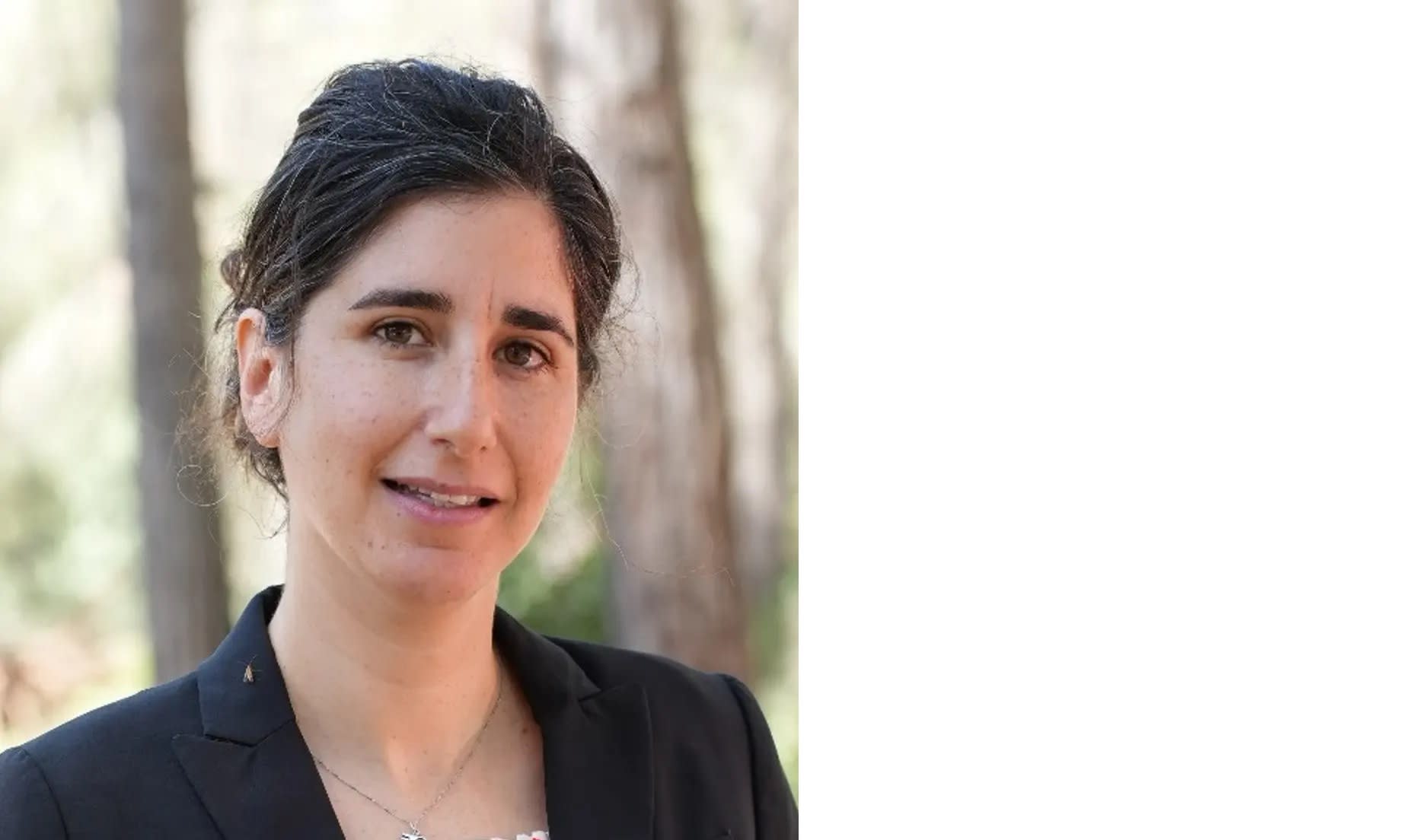
Ayelet Levin-Karp, CEO of SID-Israel, said: "Philanthropy does much more than fund aid organizations; it shapes how they operate. Funding decisions signal what constitutes an appropriate professional standard. Our study indicates that when donors integrate gender thinking into their funding requirements, organizations respond and change how they work. This is an opportunity for philanthropy not only to support humanitarian aid, but also to make it more effective, more inclusive, and of greater impact."