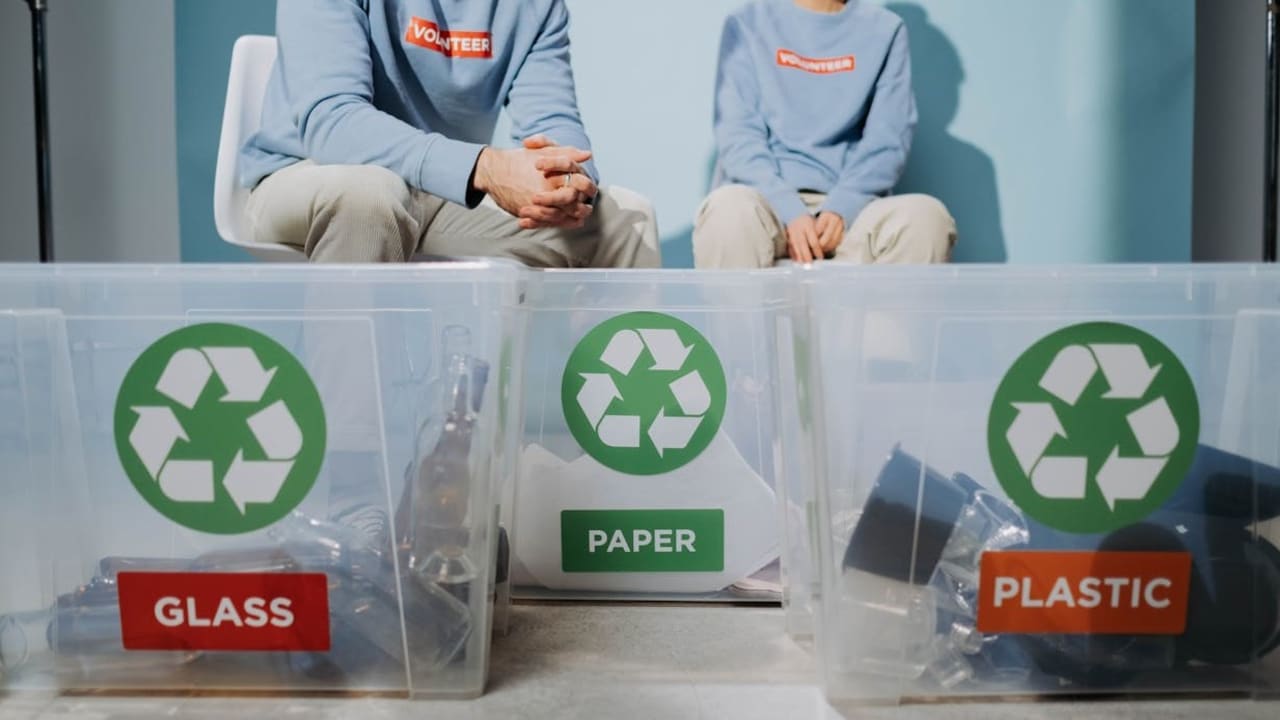
Waste rarely makes headlines, yet it shapes how cities grow, how businesses invest and how communities think about the future. Behind every refuse truck and recycling bin sits a network of decisions about energy, jobs and land use. As municipalities and companies search for more resilient ways to manage resources, a quiet revolution in waste handling is starting to redefine what progress looks like.
In many towns, the story begins at the landfill gate. Space is running out, environmental requirements grow stricter and taxpayers grow impatient with expensive, short‑term fixes. At the same time, businesses face pressure to prove that their operations respect both climate goals and local communities. This tension pushes waste from being an afterthought to becoming a strategic question: how do we extract the most value from every ton of discarded material?
From trash to assets: The new logic of waste
For decades, the dominant model treated waste as something to hide or bury. Today, more city planners and corporate leaders treat it as a resource stream that should be measured, sorted and monetised. Metals, cardboard, plastics and organics are no longer just fractions in a bin; they are inputs to new products, fuels and materials.
This shift requires more than good intentions. It demands equipment that separates materials with high precision, systems that track flows in real time and partners that understand both engineering and economics. Companies like JWR Inc step into this space by delivering integrated solutions that link compactors, balers, sorting lines and data tools into a coherent whole. The goal is simple but ambitious: reduce the amount of material that ends up in landfill while cutting operating costs and stabilising revenue from recyclables.
When a logistics hub or manufacturing plant upgrades from basic dumpsters to a tailored recycling system, the impact appears in several ledgers at once. Fewer hauls lower fuel use and transport bills. Denser bales of cardboard or plastics secure better market prices. Cleaner sorting reduces contamination fees. Over time, waste stops being a pure cost centre and becomes a managed asset.
Why local communities should care
The transformation of waste handling often starts in industrial backyards, but its effects spill into nearby neighbourhoods. Modern equipment reduces odour, litter and noise from loading docks and transfer stations. Better control of residual streams lowers the risk of illegal dumping or overfilled containers in residential areas. Municipalities that align commercial and public recycling strategies typically report higher overall recovery rates and more stable service levels.
There is also a labour dimension. Automation in sorting and compaction does not remove people from the process; it changes the nature of the jobs. Instead of heavy manual handling of loose materials, workers operate machinery, monitor quality and manage logistics. With the right training, this shift opens pathways to more technical roles and safer working conditions. Regions that invest in such infrastructure position themselves to attract recycling‑based manufacturers that seek steady supplies of secondary raw materials.
Economic resilience is another factor. Markets for commodities like paper and metals fluctuate, but cities that deliver clean, well‑sorted streams secure better contracts with processors. During downturns, this stability matters. It cushions municipal budgets and helps local hauliers stay in business rather than folding under price pressure.
Technology, data and the new transparency
Smart waste handling is no longer limited to steel and hydraulics. Sensors, fill‑level monitoring and connected compactors give facility managers a live view of how containers are used. Instead of fixed pickup schedules, hauliers adjust routes based on real demand. This reduces unnecessary truck movements and associated emissions, while cutting overtime and fuel costs.
Data also introduces a new kind of transparency. Large retailers and logistics operators increasingly track diversion rates, contamination levels and material yields as closely as they track sales. These metrics feed into sustainability reports, investor communication and purchasing decisions. Suppliers that can document reduced waste footprints gain a competitive edge in tenders and long‑term contracts.
In this context, the ability to design a system that fits the specific waste profile of a site becomes crucial. A food distribution centre has different needs from a printing plant or a hospital. Off‑the‑shelf solutions rarely unlock the full potential. Tailored layouts, modular equipment and phased upgrades help organisations move from basic compliance to genuine optimisation.
Cultural change: From obligation to opportunity
Infrastructure alone does not change behaviour. The most successful recycling initiatives combine hardware with clear procedures and communication. Employees need to understand why materials are separated, how contamination affects value and what role they play in the bigger picture. Simple steps like consistent signage, training at onboarding and feedback on performance turn abstract sustainability goals into daily routines.
When leadership frames waste reduction as an opportunity rather than a burden, motivation rises. Cost savings can be reinvested in staff facilities, safety measures or community projects. Some companies share diversion achievements with local schools or charities, turning dry statistics into stories that resonate beyond the factory gate.
Municipal authorities also play a role by aligning regulations, incentives and infrastructure. Clear rules on organics, construction debris or commercial recycling remove ambiguity and reward those who move early. Partnerships between public waste departments, private operators and technology providers help scale solutions that would be too costly for a single actor.
A new narrative for progress
The way a society handles its leftovers says a lot about its priorities. Treating waste as a managed resource rather than an unavoidable nuisance signals a shift toward longer‑term thinking. It shows that efficiency and responsibility are not opposites but two sides of the same decision.
As more businesses and municipalities upgrade their systems, the benefits accumulate quietly: fewer truck miles, less landfill pressure, cleaner streets, more stable local jobs and better use of materials already extracted from the ground. These changes rarely draw attention, yet they underpin broader goals about climate, health and economic stability.
The next time a compactor hums behind a supermarket or a baler compresses stacks of cardboard at a distribution centre, it reflects more than a technical process. It reflects a choice to see value where earlier generations saw only burden. That choice, repeated across thousands of sites, is what turns waste from a lingering problem into a foundation for smarter, more resilient communities.
This article was written in cooperation with jwrinc