
The online publishing platform Substack profited from subscription-based newsletters that spread Nazi propaganda, white supremacy, and antisemitism, according to an investigation published by The Guardian.
Substack is a self-publishing platform that reports having approximately 50 million users globally. About 5 million subscribers pay for premium newsletters across the network, with the company taking roughly 10% of revenue from paid subscriptions.
According to The Guardian, several newsletters promoting Nazi ideology and antisemitic conspiracy theories were operating on the platform under paid subscription models.
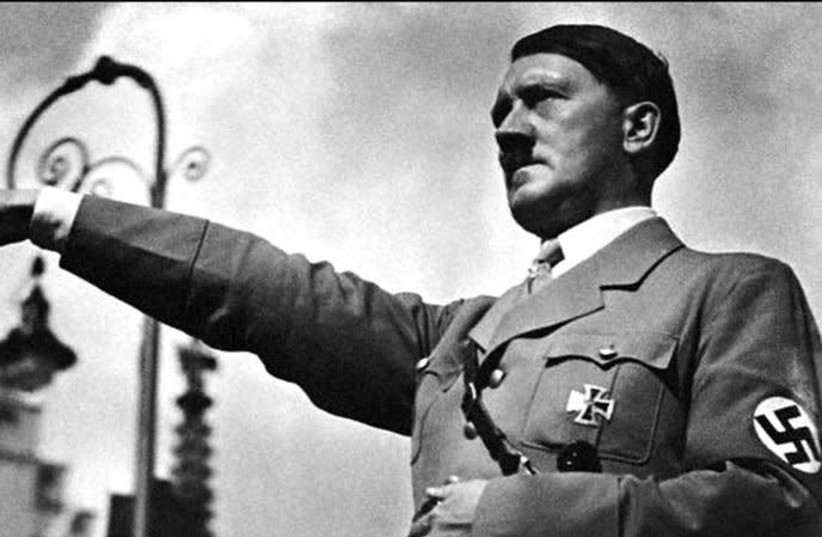
As part of its investigation, reporters for The Guardian subscribed to a newsletter operating under the name “NatSocToday,” a reference to National Socialism, the ideology of Nazi Germany. The account charged $80 annually and is self-described as “a newsletter featuring opinions and news important to the National Socialist and White Nationalist Community,” The Guardian reported. A review by The Jerusalem Post confirmed the publication featured Nazi imagery, including content praising Adolf Hitler.
The investigation revealed one recent post on the “NatSocToday” newsletter suggested that Jews were responsible for the outbreak of World War II and described Adolf Hitler as “one of the greatest men of all time.”
The Guardian reported that within two hours of creating an investigative account, Substack’s recommendation algorithm directed its reporters to 21 additional profiles featuring similar extremist content.
The investigation found that several of these accounts regularly shared and promoted each other’s material and had accumulated thousands of followers.
Among the profiles cited was one operated by a self-described “national socialist activist,” who allegedly praised Hitler and charged subscribers for access to content. Another UK-based account identified by the newspaper reportedly displayed Nazi imagery and published material engaging in Holocaust denial.
Posts from that account disputed the established historical record of the Holocaust, in which approximately six million Jews were murdered by Nazi Germany and its collaborators, the report noted.
Substack’s published moderation policy states that the platform “cannot be used to publish content or fund initiatives that incite violence based on protected classes,” including religion and ethnicity.
The newsletters identified in the investigation, which remained active as of February 15, promoted Nazi ideology and antisemitic conspiracy theories but did not explicitly call for violence.
Growing antisemitism, risks of online extremism
The findings come amid broader concerns about rising antisemitism and online radicalisation. Danny Stone, the Chief Executive of the Antisemitism Policy Trust, a policy advocacy NGO based in the UK, spoke with The Guardian about the risks of unchecked online extremism and its real-world consequences.
“People can be, and are, inspired by online harm to cause harm in the real world,” he told reporters. “The terrorist who attacked Heaton Park synagogue didn’t wake up one morning and decide to kill Jews; he will have been radicalised,” he said, referring to the deadly attack on a Jewish Synagogue in Manchester, UK, last year.
Stone went on to express his desire for more comprehensive regulation of harmful online content.
“Algorithmic prompts and the amplification of harmful materials are extremely serious. The Online Safety Act was supposed to address the illegal content, but very little is being done about so-called legal but harmful content.”
Following the findings of the investigation, a spokesperson for the Holocaust Educational Trust told The Guardian, “Material like this that spreads conspiracy theories and Holocaust denial and which praises Hitler and the Nazis is not new, but clearly its reach is increasing. The idea that Substack profits from this hateful material and allows for it to be boosted via their algorithm is a disgrace.”
Substack did not respond to requests for comment from The Guardian.
The Co-founder of Substack, Hamish McKenzie, addressed the platform's moderation decisions in a post on the site, according to The Guardian.
“I just want to make it clear that we don’t like Nazis either – we wish no one held those views,” he said. “But some people do hold those and other extreme views. Given that, we don’t think that censorship (including through demonetising publications) makes the problem go away – in fact, it makes it worse.”
“We believe that supporting individual rights and civil liberties while subjecting ideas to open discourse is the best way to strip bad ideas of their power. We are committed to upholding and protecting freedom of expression, even when it hurts.”