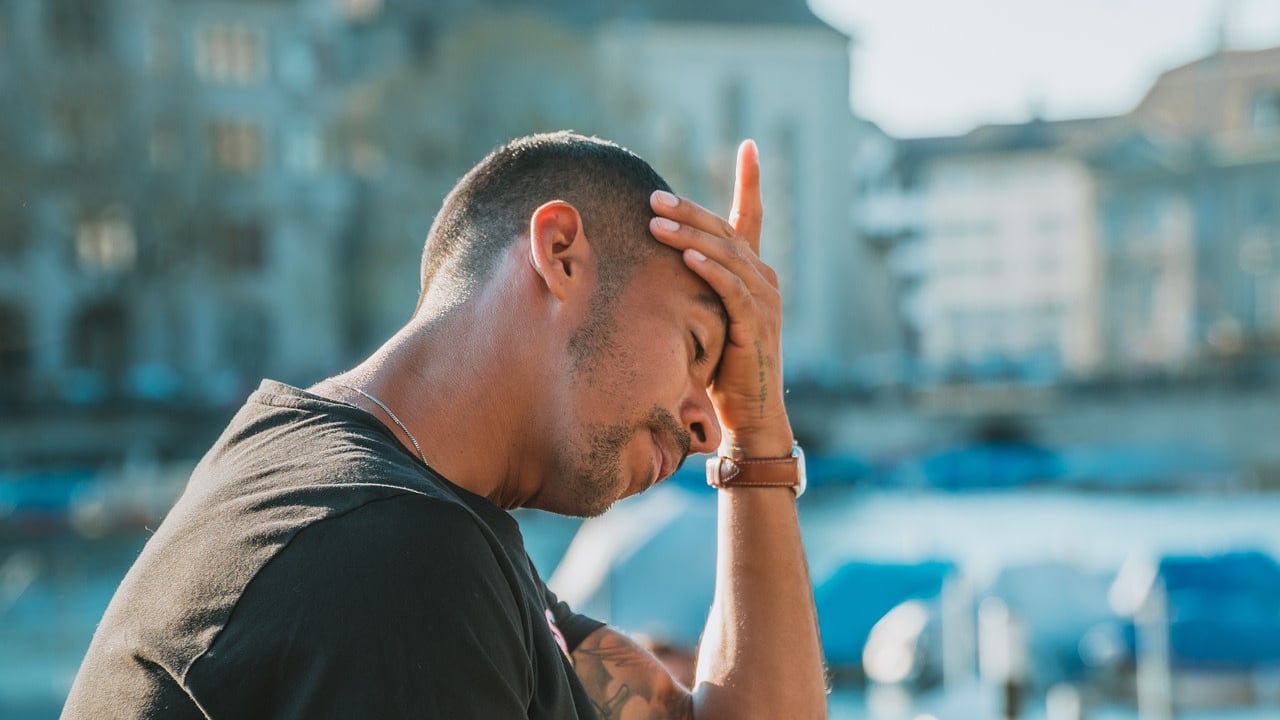
I’m sure there were quite a few sardonic chuckles in response to this headline. Most readers know people who suffer the effects of being married to a non-nurturing spouse (NNS). Most people start off marriage full of optimism, trust, love, and respect. Then, after years of living with someone who ignores, belittles and berates them, they feel depleted, discouraged, and despairing. An ongoing study among Harvard students that began in 1938 found that of all the factors studied for longevity and happiness – such as good diet, genes, exercise, and financial success – the quality of their relationships with others was the number one predictor of happiness. A relationship with an unconditionally loving family member, especially a best-friend type spouse, with whom we can share our emotional world, not only makes us healthier but also gives us a sense of being seen, valued, significant, and safe. In contrast, the inability to share our innermost thoughts and feelings leads to “emotional starvation.”
We cannot help but be affected by people’s moods, words, and body language. The presence of an NNS, whether cold or contemptuous, makes us feel unsafe and scared. It’s no fun to be with people who feel they are starved emotionally. The lack of loving connection and care can cause them to be angry, bitter, untrusting, anxious, depressed, and consumed with an inner pain few people will validate or even acknowledge. For true, unconditional love to exist, three elements must be present: consistent and mutual respect; trust and safety; and open, empathic communication. There can be no true “soul bond” if any one of these is missing. The Hebrew term for marriage is n’suin, from the words to “uplift and inspire.” The Steipler Rav once stated, “A married woman whose husband is not supportive and understanding is a married widow.” The pain of a widow is indescribable. The pain of a married widow/widower is even more intolerable, as there is little sympathy for their plight. People assume, “If you’re married, that means someone cares for you.” The reality is often quite the opposite.
Dyslovia
Many assume that all people have the same capacity to love. This is not true. Whether due to personality disorders, such as narcissism or anti-social personality disorder, or traumas that made them distrust people, many individuals avoid emotional intimacy. They may view relationships only in terms of services they can provide, such as money, power, status, or physical intimacy. We might view them as suffering from dyslovia. Just as dyslexics reverse letters, dyslovics reverse the normal ways by which loving bonds are formed. Instead of trust, respect, and empathy, there is deceit, disrespect, or disinterest. Efforts to connect to such a person is like driving into a concrete wall, over and over again. It’s hard to face the brutal truth: “The one who wants the relationship least is the one who controls it.”
Nurturers find it impossible to grasp this reality. They insist, “It can’t be that they don’t care! I will continue to forgive, overlook, shut up and put up because there must be a nugget of love there somewhere. I’m sure they’ll appreciate me one day if I just persist in my efforts to get to that nugget, no matter how inconsiderate, critical, or disconnected they are.”
Mind-blind
Non-nurturing people can display a wide range of behaviors, from mild oblivion to icy detachment and explosive rage. Even if they have no conscious or malicious intent to do harm, the pain is profound. Yet, it is useless to ask, “Don’t you realize how hurt I felt when you made that derogatory remark about my___ (weight, looks, cooking, parenting skills, IQ, etc.) or compared me to someone who you think is richer, more attractive or has a more prestigious job? Don’t you care how bad I feel when you call me stupid, ugly, selfish, crazy, disgusting, or incompetent?” It’s like asking a reckless driver, “Don’t you care that you drive like a maniac and endanger others?” Actually, they don’t care. Caring people can’t grasp this reality.
Dr. Daniel Siegel, in his book Mindsight, refers to such people as having a kind of “mind blindness.” They cannot see, value, or give significance to others people’s feelings. If a spouse expresses pain about a caustic remark, they might reply, “You’re too sensitive. You’re being dramatic and over-reacting. Take psych meds to calm down.” Or “I never said that. You’re imagining things.” “You’re showing disrespect for me by claiming that I’m disrespecting you!”
In the building of the Mishkan, God tells Moses to ask, “Whoever is of a willing heart” (Shemot 35:5) to make offerings of gold and silver and other materials. And “All the wise-hearted among you will come and make the objects needed. And they came, everyone whose heart stirred him up… the men with the women, everyone of a willing heart…whose heart made them willing” (Ibid. 35:10, 21, 22, 29, etc.). The architects of the Miskhan, Bezalel and Oholiav, were told to seek “wise-hearted men” to whom God had given “wisdom and understanding” (Ibid. 36:1). This implies that not everyone was in the category of “wise-hearted.” Yes, some people are by nature warm-hearted givers, and some are not. God decides what kind of talents and “heart smarts” to give each of us. Many people are lacking in this area.
Instead of ranting and raging about this “unfairness,” we must learn to accept this painful truth, not with bitter resentment but as a means of freeing ourselves from the self-imposed task of healing people who don’t care about healing. Acceptance gets us to stop wasting endless years and tears and huge sums of money in therapy trying to change people who are uninterested in change. Facing reality frees us from childish fantasies so that we can accept our grief, find healthy outlets for our talents, and seek wise-hearted people who can appreciate who we are.
Recognize the signs
The NNS is often self-absorbed and self-centered, seeking nothing more than a shallow, functional relationship which provides practical services. They are proud of being “strong,” which they define as lacking emotion. A seminary girl told me that she was visiting her aunt when a call came from America informing her that her father, this aunt’s brother, had died of a sudden heart attack. When she burst into tears, her aunt scolded her sharply, “He’s gone. It won’t help to cry. We must focus on arrangements.” I can bet that this aunt’s husband is a sweet, nurturing type who will do anything to please her and blames himself for not succeeding. He won’t accept that she is not “pleasable” and that requests for respect and gratitude are useless.
NNSs have a kind of selective deafness. They seem to be allergic to any expression of emotion, unless they do so in the early stages of a relationship to lure a potential mate into feeling emotionally connected to them. After this initial fake “bonding” phase, they are often impatient and annoyed if a spouse seeks their time or attention. They show no curiosity about what is going on in their spouse’s heart or mind, and they don’t ask about their goals, interests, or fears. Any attempt to share deep emotions is quickly shut down. They don’t give unless they get something in return. They are intolerant of differences, are inflexible, and incapable of compromise. It’s “My way or the highway.” When conflicts arise, they blame others and don’t feel accountable. Since they have no capacity for self-reflection, they don’t care how their grumpy moods, critical remarks, or lack of consideration affect others. While highly critical of others, they may explode if anyone dares to protest or criticize them.
Their lack of emotional intelligence can cause them to interpret an expression of feeling, such as “I feel lonely,” as a criticism of them. A simple request for help is seen as an attempt to manipulate them into giving up valuable time and attention. They view people as pests or idiots, bristling at being asked, “Could you pick up a loaf of bread on the way home?” If a spouse says, “I’m exhausted, so I’m going to bed early,” they might explode, seeing this as a hostile rejection. Many women claim, “My husband criticizes me all day, then expects me to be affectionate at night. He sees no connection between his criticism and my lack of enthusiasm.” Likewise, many men claim, “No matter how much money I make, she constantly berates me as a failure for not earning more. She doesn’t see any connection between her demeaning comments and my silence.” This is emotional blindness. It is rarely treatable because the NNS doesn’t realize that anything is wrong and thinks others are crazy for complaining about them.
Soul-crushing
It’s useless to share feelings because doing so is a waste of time to them. Thus, it is not possible to process painful events. They show no remorse or shame about what they’ve done. Nurturers will cry, “I’ve lost my identity, my motivation, and even my desire to live. I feel like a burden. I don’t matter. I’m just here to be an ATM machine or a servant. I am alone, without meaning, value or purpose. I pray for death, as that is the only honorable way out of this marriage.” Despite the pain, most stay married mainly to protect the children and their social status and because they fear being alone, impoverished, ostracized by the community or extended family or having to face custody horrors. Nurturers suffer, usually in silence, ashamed of their inability to create a close and loving connection, not realizing that this is impossible.
Fixer fantasies
Those raised by non-nurturing parents (NNPs) are even more likely to blame themselves. This is a pattern formed in childhood, when they blamed themselves for failing to get love from their parents. So, now, they persist in thinking, “The very people who broke me are the ones who must heal me. I can’t heal until the people who made me feel worthless make me feel worthy.” Nurturers spend years trying to fix, educate, and heal the NNS, a role which is promoted by many therapists, who tell them, “Yes! You can do it! Ignore the criticism; it’s just words. Just try harder. Have more date nights. Be more respectful, submissive, and forgiving. Be a great cheerleader! Build them up to bring out the best in them. If you try hard enough to please them and get enough therapy, you’ll eventually get the love you crave. Come to my clinic, where we turn sharks into dolphins – for a fee!”
Since the NNS can at times be fun-loving and act caring, people are confused, certain that this is a truly kind and loving person who just has some “quirks.” Many non-nurturers can act quite charming and gregarious to outsiders but flip as soon as they are indoors. This is known as the “street angel and house devil” type.
Hope dope
Nurturers often seek therapy, hoping for some magic key that will get their spouse to connect and care. Many advisers offer glib advice that discounts, trivializes, and minimizes their pain. They are trained to push what I call “hope dope.” That is, “Never give up hope! Everyone can change. Focus on the good. Every marriage can be great and provide you with the love you deserve. We’ll teach you to fall madly in love with each other.” However, it’s not the NNS who invests endless years in therapy, takes expensive workshops or buys books that promise to get a cold, dismissive, disconnected or explosive spouse to become loving and communicative. And it’s the nurturers who feel ashamed when the longed-for changes don’t appear. Even after forty or fifty years, they are still waiting for a compliment or a word of appreciation, thinking, “I’m a failure because my dreams did not materialize, despite all my prayers, pleas, forgiveness, and self-sacrifice – and my hopeful vision board.”
Insanity or trauma?
A spouse who feels unloved and unappreciated will inevitably suffer from physical and emotional illness. In contrast to PTSD, which can result from a one-time trauma, such as an accident, death, or injury, C-PTSD (complex post-traumatic stress disorder) refers to prolonged, inescapable abuse or neglect, along with a sense of helplessness and loss of self-worth. C-PTSD symptoms are so similar to symptoms of mental illness that even the best experts miss the underlying trauma which has caused damage to the nervous system and immune system. The most common symptoms are: Physical pain: Auto-immune illnesses, such as chronic fatigue, arthritis, digestive disorders (IBS, Crohn’s and colitis), thyroid disorders, fibromyalgia, dysautonomia, even some cancers, as well as stress-related illnesses and injuries, chronic back/neck pain, and cardio-vascular damage.
Emotional pain
Stress raises the cortisol level, which eats up the serotonin, the calming hormone, which is the main ingredient in SSRI medications, leading to emotional dysregulation, depression, anxiety, agitation, panic attacks, nightmares, suicidal ideation, derealization, dissociation, depersonalization, social isolation, mood and eating disorders, insomnia, self-harming behaviors, an exaggerated startle response, noise sensitivity, intense feelings of shame, low self-esteem, feeling overwhelmed, frazzled, and always “on edge.”
Mental distortions
Sufferers express beliefs such as “I can never be good enough. I’m fundamentally defective and unlovable. No one can ever care about me. I feel isolated and alone and don’t feel I belong anywhere. I don’t know who I am or what I want. I’ve lost the ability to experience joy and love.” Addictions are common, as they seek to soothe their pain with a substance or activity that provides relief, such as food, drugs, or alcohol.
Context counts
People don’t go to psychiatrists complaining of “emotional starvation.” Instead, they report, “I’m having panic attacks” or “I’m depressed. I need medication to help me tolerate the pain.” Doctors quickly prescribe psych meds, which then confirms the victims’ belief that “I really am to blame. I am insane.”
How can we differentiate between a person who is truly mentally disturbed and one who is traumatized? Sane people do their best to be kind, responsible, considerate of others, and functional despite their pain. They improve when they learn self-healing skills, such as CBT, EFT (emotional freedom technique) and adopt healthy disciplines. In contrast, people with mental illness have endless excuses to remain irrational, cruel, and stubbornly impervious to all efforts to get them to be kinder or more disciplined.
Survival skills
A soldier who recently fought in Gaza suffered from “trauma blindness.” He was virtually blind for five days, until he left Gaza and was taken to a calm and restful environment, where his sight gradually returned. Living with a dyslovic can cause us to become blind to our self-worth and sense of self-efficacy. It’s “death by a thousand cuts.” Thankfully, we can learn to heal to a great extent.
The first step is to internalize the message “You are NOT TO BLAME! You are not crazy; you’re STARVED – of love!”
There is hope – maybe not for the relationship, but for you. You can learn to love yourself, exactly as you are. You heal each time you take charge of your life and become disciplined in thought, speech, and action. You heal by getting adequate sleep, eating a healthy diet, exercising, and finding ways to contribute to society and feel connected to people who can appreciate you.■
As a S.O.D.A. – survivor of domestic abuse – with C-PTSD, I view my experiences as necessary training, enabling me to develop the skills I needed to become self-disciplined and self-loving. Only those who have experienced this trauma can truly understand those who are coping with the same trauma. I can be reached at miriamadahan13@gmail.com