
The mishloach manot, the hamantaschen and the traditional sweets of the Purim holiday await us every year, but is it possible to enjoy the holiday without harming our health and weight maintenance? Let’s begin with the nutritional value of the traditional filling – which turns out to be both the healthiest and the most recommended and preferable to all other fillings.
The poppy plant family includes more than one hundred species, but the opium poppy is the most important for culinary and medical uses. It is the source of medications such as morphine, codeine and narcotine – substances used for pain relief and sedation. While the medical use of poppy is strictly supervised, edible poppy seeds do not contain narcotic substances in significant quantities and are therefore safe for consumption.
For Dr. Maya Rosman’s online diet course click here
The nutritional values of poppy seeds (per 100 grams)
- Calories: 500 calories.
- Fat: 43% – most of it unsaturated fatty acids considered healthy. These fatty acids, led by linoleic acid (omega 6), contribute to maintaining heart and blood vessel health.
- Iron: 8.6 mg (three times more than a soy patty!).
- Calcium: 1367 mg (twice as much as yellow cheese!).
- Dietary fiber: Contributes to satiety and proper digestion, helps balance blood sugar levels.
- Antioxidants: According to a study published in Food Chemistry poppy seeds contain a high amount of antioxidants, such as polyphenols and phytochemicals. These substances help reduce chronic inflammation in the body and protect cells from free radical damage.

Ground or whole?
Poppy seeds that are not thoroughly ground are not fully digested in the digestive system, and some of them leave the body as they entered. This means that not all of their calories and minerals are absorbed in the body, similar to sesame and other small seeds. To enjoy the nutritional values, it is recommended to grind the poppy close to the time of consumption, since its oils tend to oxidize quickly.
A study conducted in Journal of Agricultural and Food Chemistry showed that rapid oxidation of the fats in poppy seeds may lead to a change in taste (bitterness) and damage to the nutritional values. Therefore, the key is freshness and proper storage.
How to store?
Due to the high fat content, improper storage will make the poppy bitter and less healthy.
Whole poppy: Should be stored in a cool, dry and dark place in an airtight jar. It can be kept this way for several months.
Ground poppy: The ideal place is the freezer. While at room temperature it will last only about two weeks, when frozen it will stay fresh and healthy for up to half a year.
How to make hamantaschen truly healthy?
Industrial hamantaschen usually contain trans fat (margarine) and large amounts of white sugar. Here is how to upgrade them:
1. The dough: Replace white flour with whole spelt flour or ground oats to obtain more dietary fiber. Another option is almond flour, which increases the protein, iron and calcium content.
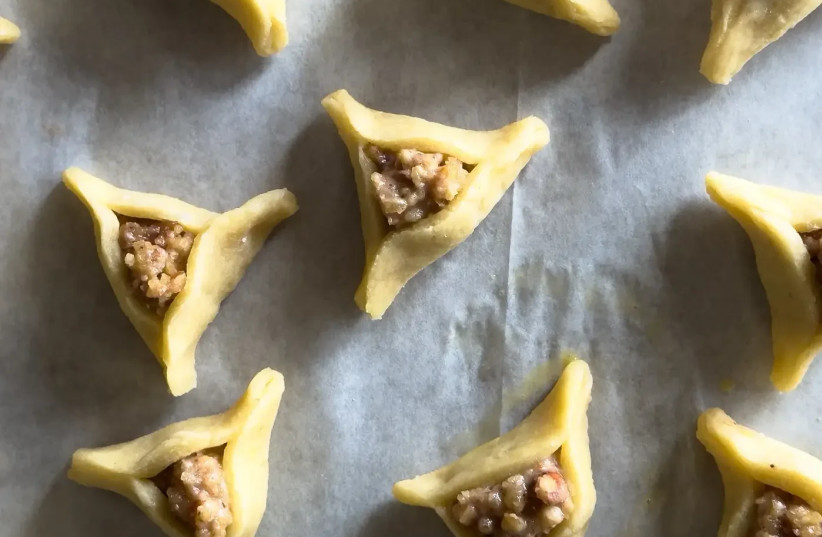
2. The filling: Beware of ready-made poppy spreads that mainly contain sugar and preservatives. Prefer a homemade filling based on freshly ground poppy, a little honey or silan, and chopped walnuts for a rich texture.
3. The fat: Use olive oil (with a delicate flavor), coconut oil or butter instead of margarine.
<br>How many calories are in a hamantaschen?
If we ignore for a moment the assortment of sweets with no nutritional value found in mishloach manot and refer only to the triangular cookie that represents the holiday: An average store-bought hamantaschen contains about 180 calories. To put it into perspective, this is equivalent to two slices of light bread with cheese and a small salad.
Of course, homemade hamantaschen tend to be smaller and therefore contain fewer calories per serving.
It is important to know that the type of filling (chocolate versus poppy or dates) usually does not dramatically change the caloric value, as all are based on similar percentages of fat and sugar. If you are in the process of weight loss, incorporating one hamantaschen as a snack (afternoon snack) is a reasonable choice that will not harm your progress.