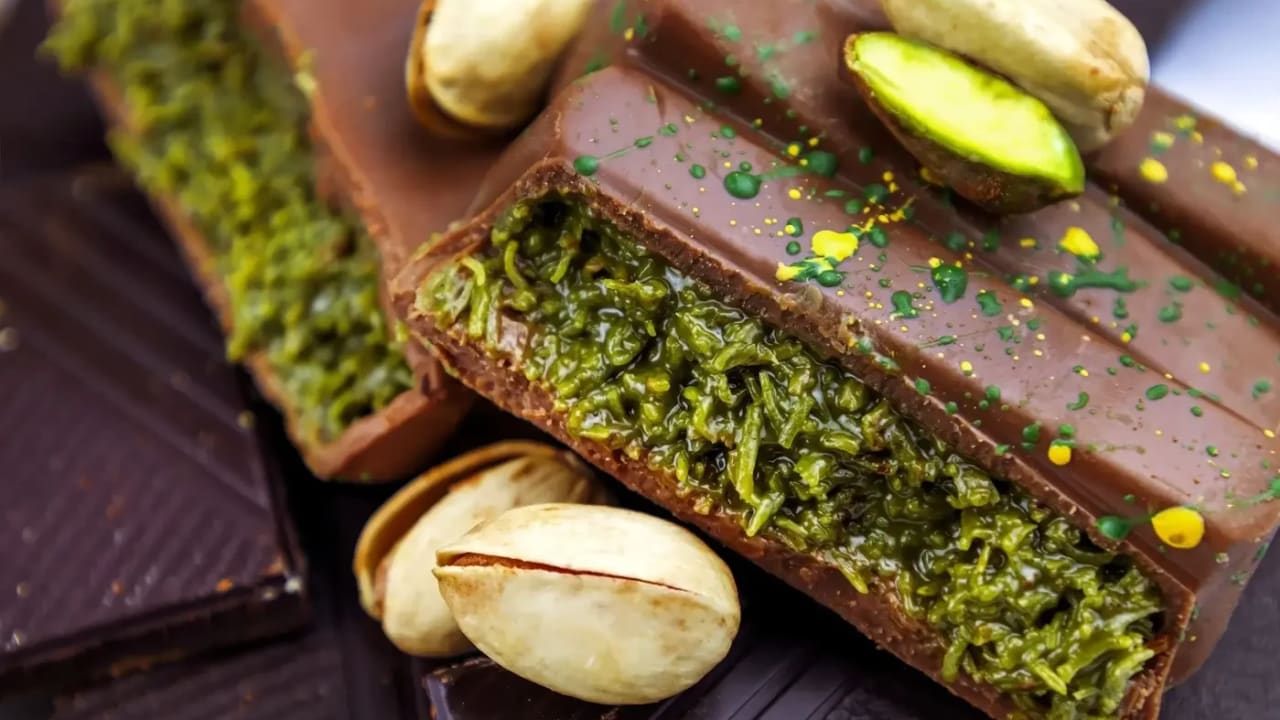
Not infrequently, people avoid certain types of nuts and have a great concern about consuming them because they are calorie-dense, so if you also think that nuts are mainly "fattening", it is always worth looking at the quality and not just the quantity. The pistachio is an amazing example of a food that brings with it color, taste and nutritional values that it is simply a shame to miss.
How did it happen that such a long-standing and familiar flavor became a trend? After all, the pistachio has always been here, certainly in our region. The first mention of pistachio in sources is from the Bible: According to commentators, the "nuts" that Jacob sent to Joseph – "nekhot valot, botnim ushkedim" – are the fruits of the pistacia tree, that is, the pistachio tree. There is evidence of cultivation of the tree in the mountainous regions of the Land of Israel and Syria as early as the 6th century CE, although it is not clear whether they were used then for food or for medicine.
Even today, as the climate warms, the pistachio stands out as a true survivor in the Middle East. The pistachio tree survives well in conditions of heat and dryness, and it is an integral part of the traditional Mediterranean diet. Unlike trends that come from afar, the pistachio is a local food and can provide excellent nutritional and culinary value.
What makes the pistachio so unique?
Studies published recently in leading nutritional journals show that the nutritional quality of the pistachio contributes to our health in a variety of ways:
First of all, heart health: Pistachios are rich in the amino acid L-arginine that is converted in the body into nitric oxide, which helps dilate blood vessels, lower blood pressure and prevent atherosclerosis. Pistachios have unique antioxidants (lutein and anthocyanins): The pigments that give it its color prevent LDL cholesterol from oxidizing and depositing in the walls of the arteries. In addition, the pistachio acts as a prebiotic food and contributes to the microbiome, its fibers serve as fuel for the beneficial bacteria in the intestines, which increases the production of butyrate – a fatty acid essential for reducing inflammation and strengthening the immune system.
The pistachio also contributes to sleep quality: The pistachio is considered one of the richest natural dietary sources of melatonin, a hormone produced naturally in the body and regulates the sleep-wake cycle.
It is important to note that natural pistachios contain almost no sodium. The salted version may contain a high amount of sodium, even hundreds of milligrams, which may raise blood pressure. If it is difficult for you to switch to natural pistachios at once, you can mix natural pistachios with a few salted ones. This way you will gradually reduce the sodium. In addition, the manual shelling process slows down the eating pace, which allows the brain to receive satiety signals on time.
And what about Dubai chocolate?
It is impossible to ignore pistachio-filled croissants or Dubai chocolate that has taken over the web. When we encounter pistachio in a dessert, my recommendation is to pay attention to the ingredient list: Look for pistachio or high-quality pistachio paste (100% pistachio), give up products that contain only flavor and aroma extracts, and prefer the real thing. The quality of the raw material can make the difference between a simple dessert and a rich dessert with added value of antioxidants and quality fats.

How to incorporate it into the daily diet?
In many cultures, pistachio is actually an ingredient in savory dishes:
• In crust: Use chopped pistachios as a coating for fish or chicken in the oven.
• In salads: A handful of pistachios combines wonderfully with fruit (such as apple or pomegranate) and helps with vitamin absorption.
• In soups: Sprinkle crushed pistachios over an orange or green soup to add texture and a feeling of satiety.
And also, a nice dessert idea of chocolate, pistachio and date truffles:
Ingredients:
• 8 dates
• Half a cup of pistachios
• A tablespoon of honey
• Atlantic sea salt
• A little coarse salt
• Melted dark chocolate
• Chopped pistachios for decoration
Preparation method:
1. Put the pitted dates and pistachios into a food processor. Add honey and a pinch of sea salt.
2. Grind in pulses until a soft texture is obtained, and slightly crumbly
3. Form small and uniform balls from the mixture using your hands.
4. Dip each ball into a bowl with melted dark chocolate until it is coated on all sides.
5. Place the coated balls on baking paper and immediately sprinkle chopped pistachios on top, before the chocolate hardens.
6. Refrigeration: Place in the refrigerator to allow the chocolate to set
The author is a clinical dietitian at Maccabi Healthcare Services, Southern District