
Passover arrives, and with it comes the change we know well. The bread disappears, and the matzot take its place. For people dealing with difficulty eating on a daily basis, matzah is often perceived as a threatening food and the absence of bread evokes a feeling of anxiety from the familiar and known. Sometimes people feel heaviness during this period, increased hunger or a decrease in energy. It is important to remember that there is no reason to fear eating matzah or to avoid it completely.
Alongside this, there are many substitutes that can serve as an alternative to bread and matzah while still being filling, contributing to balanced sugar levels and a general feeling of well-being. This can be an excellent opportunity to pause for a moment, examine new habits and incorporate them into our daily menu.
Here are four substitutes, with recommendations for proper integration during the day:
1. Almond flour bread
Can contribute to prolonged satiety and sugar balance, rich in antioxidants. Bread or crackers made from almond flour are a particularly nutritionally rich substitute. Almonds contain unsaturated fats, which contribute to heart health, alongside vitamin E, magnesium and protein.
When is it recommended to eat? Mainly at breakfast or dinner, combined with vegetables and an additional source of protein. Also suitable as a filling snack with a protein-enriched spread and a fresh vegetable.
2. Tahini bread (based on tahini and eggs)
Provides a quick and available solution based on simple ingredients. Tahini is rich in calcium, iron and high-quality plant-based fats, and the egg adds protein with high biological value that contributes to muscle building and a feeling of satiety.
When is it recommended to eat? As a light and quick meal when you want a flour-free solution. The combination of fat and protein makes it very filling, and it is recommended to serve it alongside a rich salad or cheese to create a balanced meal.
3. Legume-based bread (lentils/chickpeas)
Flours from legumes (for those who eat legumes on Passover) are among the most successful choices nutritionally. They combine high-quality plant protein with dietary fiber, which contribute to proper digestive system function and to balancing sugar levels. This type of bread has a relatively low glycemic index, contributes to satiety over time and is a good source of iron and B vitamins.
When is it recommended to eat? As a base for a sandwich before physical activity, thanks to a combination of complex carbohydrate and protein. Combine with fresh vegetables and healthy fat (such as tahini or avocado) to obtain a balanced meal.
4. Vegetables as a base for a sandwich
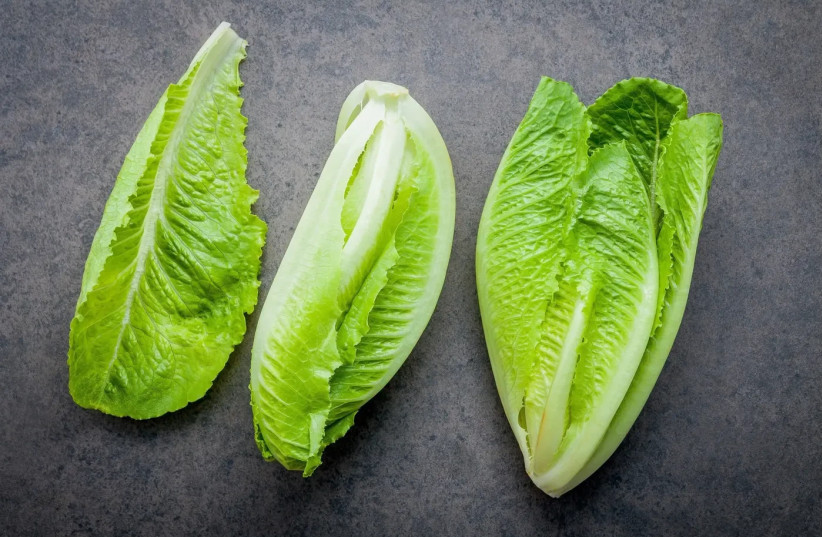
Replacing bread with vegetables such as roasted eggplant, baked sweet potato or lettuce leaves is a simple way to consume more vegetables and enrich the menu with vitamins, minerals and fiber. It is important to clarify, eating a sandwich of this type is less filling than eating bread or its substitute. Advantages: Low caloric density and richness in antioxidants (such as beta-carotene in sweet potato).
When is it recommended to eat? Especially suitable for a light dinner or a snack between meals. To turn the meal into a complete one, a source of protein should be combined (cheese, egg, legumes, fish or meat) and fat such as avocado, tahini or nuts.
On Passover, bread substitutes can be an opportunity to pause and examine our daily nutritional choices while experimenting with new recipes.
The author is a clinical dietitian and manager of an eating disorders clinic in Ashdod, Maccabi Healthcare Services