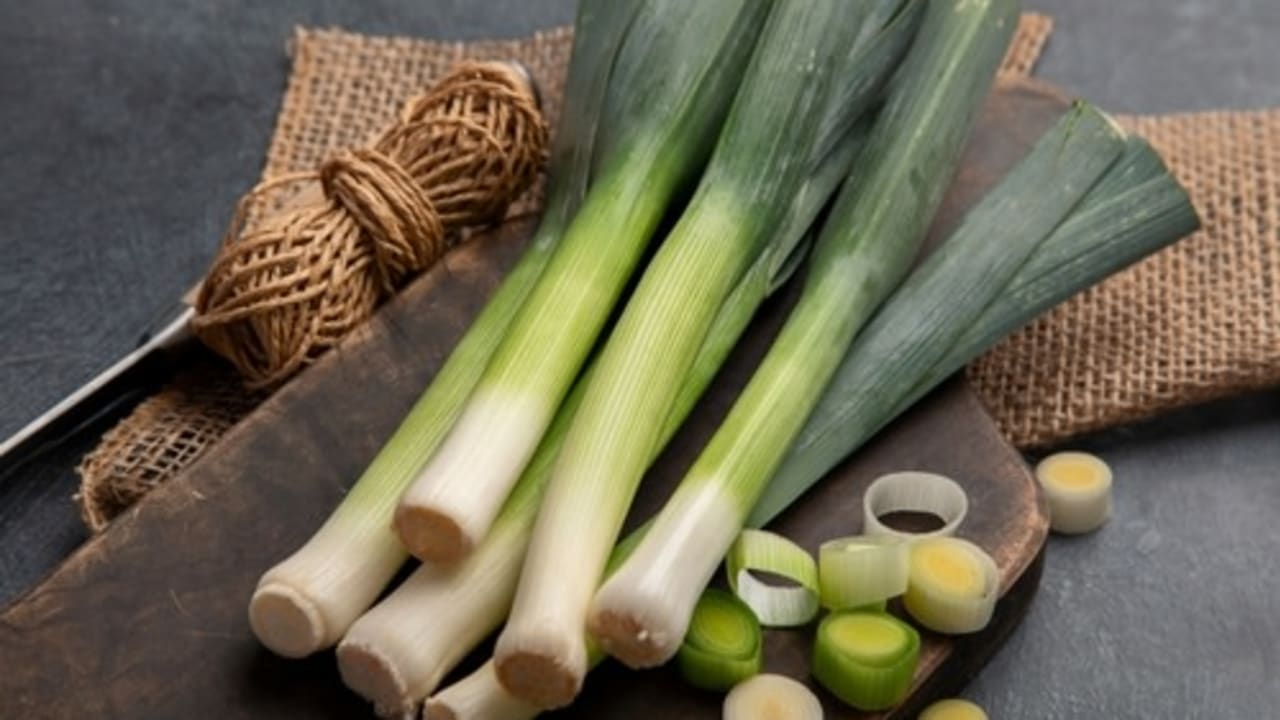
Today I want to talk to you about leek. A simple, everyday vegetable, that appears on almost every Passover holiday table, that is really worth incorporating into the menu even long after the holiday.
Leek (also called prasa), is characterized by a mild and slightly sweet taste. It resembles a combination of onion and garlic, but is much more delicate than them, and therefore suitable for those who do not like overly strong flavors.
Beyond the taste and texture, leek contains a combination of nutritional components that can affect the body in several important ways. Here are some examples:
Brain function and the nervous system
1. Leek contains folic acid, an important vitamin for the nervous system and for the production of blood cells.
2. In addition, it contains antioxidants that help reduce processes of oxidative stress in the brain.
3. Another interesting point is the prebiotic fibers in it. These are fibers that feed the good bacteria in the gut. In recent years, a connection has been found between the state of gut bacteria and mood, stress levels, and even cognitive function.
For Dr. Maya Rosman’s online diet course click here

Heart health and reducing disease risk
1. Vegetables from the onion family, such as leek, onion, and garlic, have been examined in studies published, among others, in The Journal of Nutrition and in contexts of inflammation, the immune system, and heart health. During periods of stress, it makes sense to incorporate more of them into the menu.
2. Leek contains potassium, fiber, and sulfur compounds, which can contribute to balancing blood pressure and reducing the risk of cardiovascular diseases.
3. The sulfur compounds, which are mainly known from garlic but also exist in leek, have been examined in various studies in the context of reducing inflammatory processes and even in the context of reducing the risk of certain types of cancer. It is important to understand that this is not a food that prevents disease, but rather part of an overall healthy diet.

Gut health
Leek is rich in a dietary fiber called inulin. This is a prebiotic fiber that serves as food for friendly gut bacteria.
Maintaining the balance of gut bacteria is important not only for digestion, but also for the immune system and mood. Studies published in Gut found a connection between the composition of the microbiome and inflammation, the immune system, and even response to stress.
What leek contains nutritionally
Leek is relatively low in calories, about 60 calories per 100 grams, and provides a wide variety of important components:
• Vitamin C that supports the immune system
• Vitamin K that is important for blood clotting and bone health
• Folic acid that is important for the nervous system
• Iron that contributes to preventing anemia
• Magnesium that affects the muscles and nerves
• Potassium that helps balance blood pressure and fluids in the body
In addition, its fibers contribute to balancing blood sugar levels, improving digestion, and reducing LDL cholesterol levels. They also help with satiety, and therefore can support weight loss.
<br><strong>How to incorporate leek into the menu?</strong>
So we all already know that leek is suitable for almost any type of cooking, and also for cold dishes. The white part is more delicate and soft and is suitable for sautéing, steaming, or salads, and the green part is tougher and is suitable for soups and long-cooked dishes.
Here is a reminder of a few simple ideas:
• Leek and potato soup
• Casseroles and tarts
• Dishes with legumes or meat
• Light sauté with olive oil and lemon
• Roasted or steamed leek for salad
In conclusion, leek is much more than a vegetable that appears in a Passover casserole. It is low in calories, rich in fiber and vitamins, and can contribute to heart health, the digestive system, and also brain function. It is worth incorporating it into the menu also in routine, not only during the holiday.