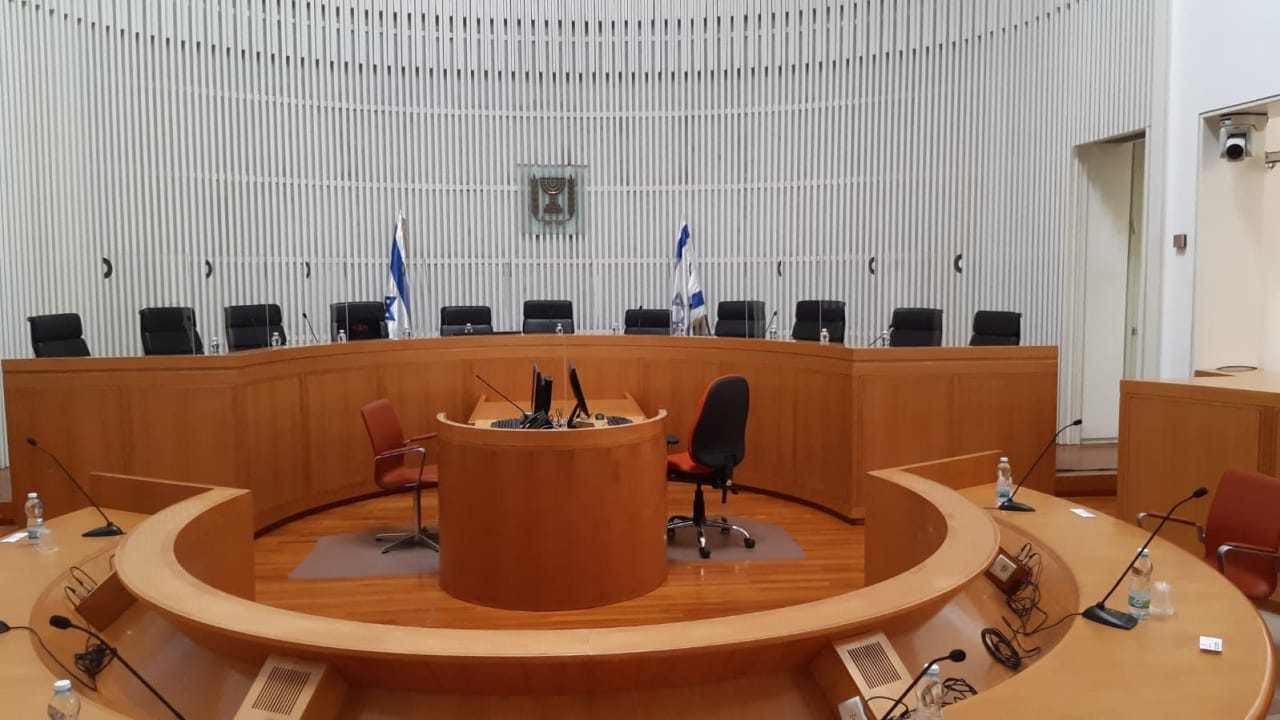
Further the High Court, by a 6-3 majority, said that any future Knesset budget gimmicks would be known in advance to be unconstitutional.
However, in order to avoid setting the formal precedent of disqualifying a Basic Law, the justices said that since all of the funds noted in the August 2020 compromise had already been handed out, there was no point in actually annulling the law.
The court was ruling on a petition against what became known as the Hauser Compromise, named for former MK Zvi Hauser who proposed passing a bill that would postpone the deadline for passing a state budget with the aim of avoiding an automatic new election. While the law was changed and the deadline was postponed, the country ended up going to a new election in March - the fourth in two years - after the new deadline was also missed.
Essentially, the High Court said it had a basis for intervening because the Knesset had called something a Basic Law which did not comply with its authority as defined by its own other Basic Laws on budget issues.
The justices said that a law could not be given extra deference before the court simply by giving it the name “basic law” if it did not have character of such a law in addressing and reordering any and all related provisions passed by the legislature.
During the November hearing, the judges demanded to hear the government's explanation concerning its violation of its own basic law, the Budget Law, but the state representative was unable to provide clear answers.
Knesset Speaker Yariv Levin (Likud) said he found the ruling baseless and shocking.
"We are witnessing a crazy incident in which a gang of six people use their legal mantle to carry out a coup," Levin said. "The decision has no standing, because it goes against the fundamental principles of the sovereignty of the nation, the separation of powers and the rule of law. I will stand with full force to defend the authority of the Knesset against the attempt to cancel our democracy."
Former justice minister Ayelet Shaked said the judges overstepped their bounds, proving the need for more conservative judges on the court.