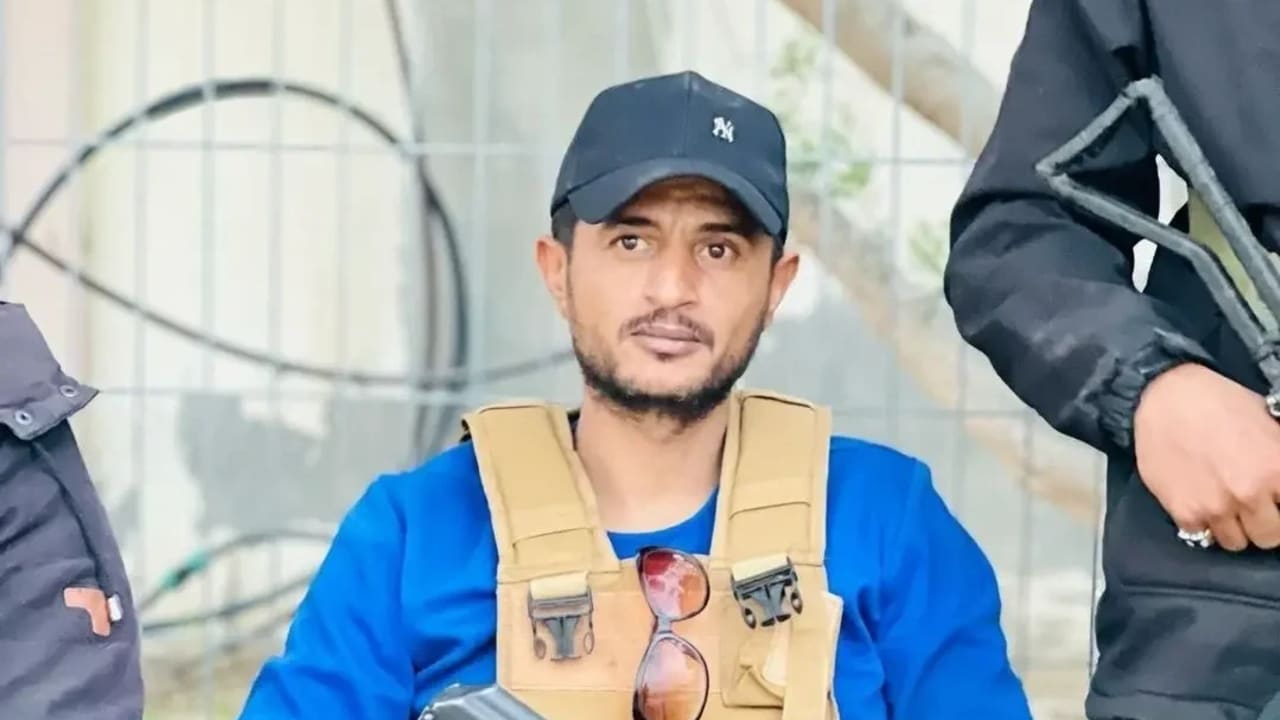
Hamas’s Interior Ministry announced on Wednesday that a court has issued a 10-day ultimatum to Yasser Abu Shabab, the leader of a Gazan militia, to surrender or face trial.
Abu Shabab is the leader of a well-armed Bedouin clan defying Hamas’s control of the Palestinian enclave.
The ministry’s statement said the decision was taken by what it called a “Revolutionary Court.” Abu Shabab, who does not recognize the authority of Hamas and accuses them of hurting the interests of Gazans, has 10 days to surrender, it said.
The ultimatum stated that Abu Shabab is accused of “treason, collaborating with hostile entities, forming an armed gang, and insurrection.”
Additionally, residents of the Gaza Strip were asked to provide information on his whereabouts and warned that anyone withholding such information would be considered as harboring a fugitive who failed to appear in court.
The court urged Palestinians to inform Hamas security officials about the whereabouts of Abu Shabab, who has so far remained beyond their reach in the Rafah area of southern Gaza held by the IDF. There was no immediate response from his group to the surrender order.
Hamas, which accuses Abu Shabab of looting UN aid trucks and alleges that he is backed by Israel, has sent some of its top fighters to kill him, two Hamas sources and two other sources familiar with the situation told Reuters last month.
Abu Shabab’s group told Reuters at the time that it is a popular force protecting humanitarian aid from looting by escorting aid trucks, and it denied getting support from Israel or contacts with the Israeli army. It accused Hamas of violence and muzzling dissent.
Israel has said it has backed some of Gaza’s clans against Hamas but has not said which.
Denying collaboration with Israel
Abu Shabab previously denied to Army Radio that his militia had received any backing from Israel, though it is unclear how Hamas would treat his interview with an Israeli media outlet, given the terror group’s restrictive laws against communicating with Israelis.
He asserted that the militia’s weapons were collected from local people.
Yisrael Beytenu chairman Avigdor Liberman previously claimed that Israel was arming opposing militia groups and crime families, a claim denied by the Prime Minister’s Office.