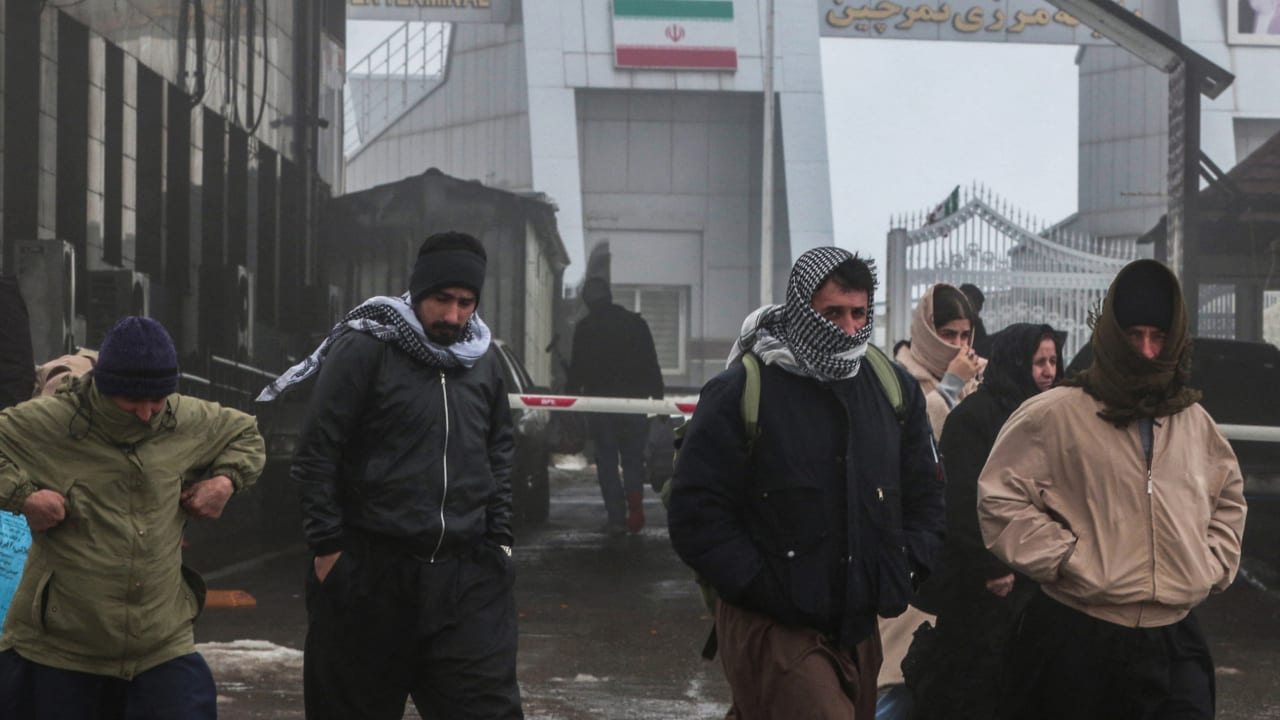
The autonomous Kurdistan Region of Iraq borders Iran. Therefore, it also finds itself close to the front line.
For many years, the Kurdistan region has had a complex relationship with Tehran. In the past, some Kurds were able to seek refuge in Iran when Saddam Hussein’s regime was subjecting Kurds to genocidal poison gas attacks.
However, in the last few decades, the Iranian regime has been persecuting Kurds and also attacking the Kurdistan Region of Iraq.
The US and Israeli strikes on Iran present both opportunities and potential pitfalls.
Days before the attack on Iran, five Kurdish Iranian parties issued a statement saying they were forming a coalition against the Iranian regime.
These Kurdish groups have often been divided in the past. They oppose the regime, but their ideological differences make cooperation difficult. The Kurdish Iranian opposition groups are primarily based in northern Iraq.
This is because many Kurds in Iran have had to seek shelter in the autonomous Kurdish Region of Iraq.
The Kurds from Iran who fled to the Kurdistan Region of Iraq have been able to join various groups and also gained experience.
For instance, members of the Kurdistan Freedom Party (PAK) have been fighting against ISIS over the last decade. They joined alongside the Kurdish Peshmerga, who are the armed forces of the Kurdistan Region of Iraq. PAK units fought on various front lines against ISIS from 2014-2017. They gained much combat experience. Other units of Kurdish Iranian groups have also been training over the years.
Kurdish fears of a conflict with Iran
The Kurdistan Region of Iraq is wary of being dragged into a conflict in Iran. For instance, Iran is attacking various countries in the region after being hit by the US and Israeli airstrikes.
There are US forces in northern Iraq. Iranian-backed militias have targeted US forces in Iraq in the past. They have targeted Erbil International Airport, in the capital of the Kurdistan Region of Iraq, and have also targeted the Iranian Kurdish groups based in northern Iraq in the past. This means that many Kurds know they could find themselves on the front line of this regional war.
On the other hand, there is also a sense that the Kurdistan region could benefit if the Iranian regime falls. If the regime falls, Kurds could receive more freedoms in Iran. It would also reduce the threats to Kurds in Iraq. For many years, Iran has detained Kurds and also killed Kurds who are involved in smuggling goods between northern Iraq and Iran.
As such, there is a sense that the regime has committed numerous abuses and therefore any strikes could weaken the Iranian regime.
The concern among Kurds is that Iran’s regime might also lash out against the Kurds in Iran, which could cause a refugee crisis. It could also lead to clashes near the border between the Kurdish opposition groups in Iran and the Iranian regime.
This will all leave the Kurdistan Region of Iraq in limbo. Additionally, Iraq lacks a new prime minister after the November elections in Baghdad. As such, Iraq is also in limbo.
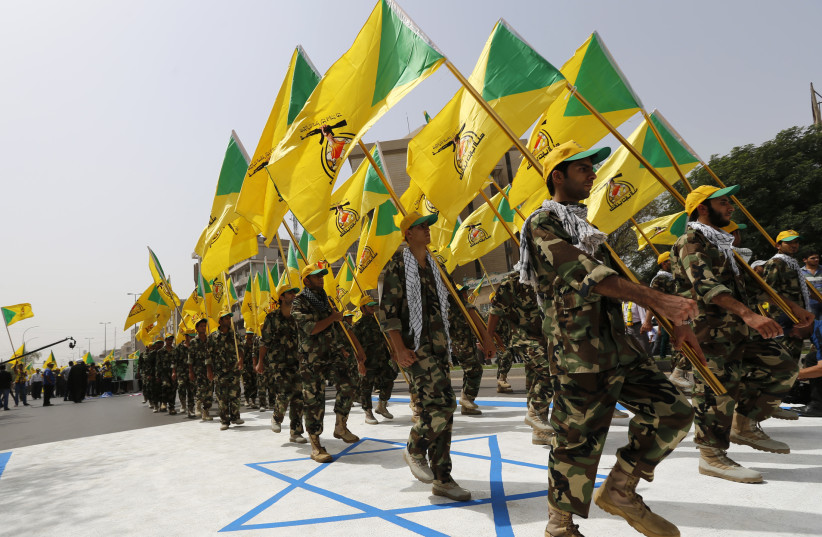
Iran could exploit this by operationalizing the Iranian-backed militias in Iraq. There are tens of thousands of Iraqis who have joined Iranian-backed militias, such as Kataib Hezbollah. These groups have already threatened to target the US and Kurds in Iraq.