Gulf States pressure Trump to continue war with Iran until fall of Islamic regime - report
The Gulf States, according to Israeli and Gulf officials, believe that Iran hasn't been weakened enough yet for the regime to stop being a regional threat.
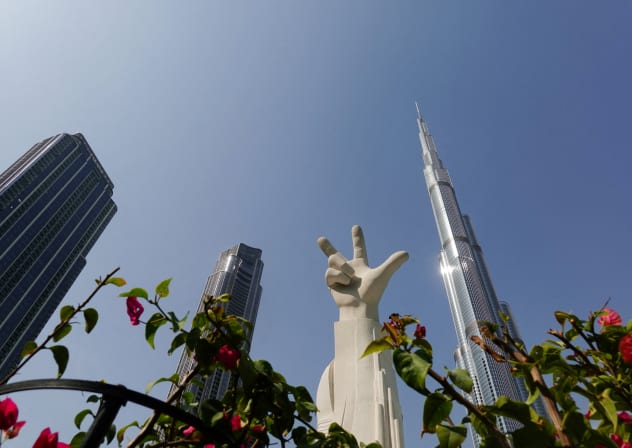
The Gulf States, according to Israeli and Gulf officials, believe that Iran hasn't been weakened enough yet for the regime to stop being a regional threat.


The attack has been condemned by France and Iraq, but Iran has distanced itself from the incident.

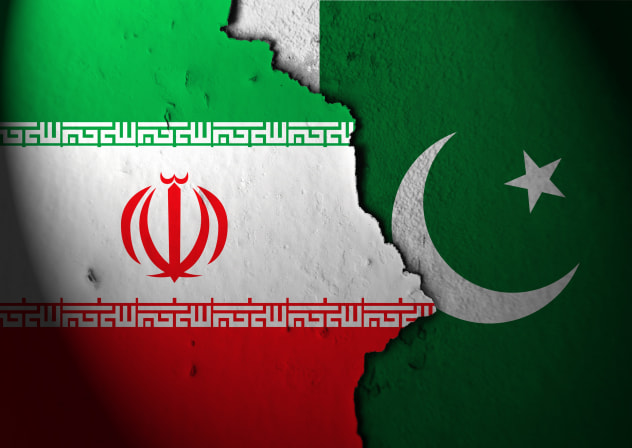
Pakistan said on March 28 that the recent discussion with Iran “marks a meaningful step toward peace and will strengthen our collective efforts in that direction."
Zelensky held key meetings in the UAE, Saudi Arabia and Qatar, showing that countries aligned with the US and the west can work together.

In his CPAC address, Reza Pahlavi urges for a free Iran, rejects any partial settlements with the regime, and presents Iran as a future democratic partner of the US and Israel.

Over 40% of Iran's population lives below the absolute poverty line, with that figure exceeding 50% in the capital. Economists warn, however, that the real poverty rate may have climbed above 60%.

The Houthis successfully hid missiles in caves for years, and the US, Israel, Saudi Arabia, and others were not able to stop the missile and drone attacks or dislodge the group.

Stockpile concerns push the defense establishment to rely on less advanced systems, with mixed results.

The four countries will hold "in-depth discussions on a range of issues, including efforts to de-escalate tensions in the region."

On Saturday, a drone fell in Iraq's Majnoon oil field, but did not explode, according to the country's Defense Ministry.

A weekly selection of opinions and analyses from the Arab media around the world.
