IDF: Sunni Arab countries do not want to be stuck with Iran with no US, Israel defense
The recent wave of Iranian attacks has shifted Sunni Arab countries' view of regional security, with many now seeking protection from the US and Israel.

The recent wave of Iranian attacks has shifted Sunni Arab countries' view of regional security, with many now seeking protection from the US and Israel.


Lana Nusseibeh, the UAE's minister of state in the Gulf country's foreign ministry, said she and her nation's neighbors were shocked that Iran had unleashed attacks on them.

Several prominent political figures were said by state media to be marching in Tehran at the time, including Iranian President Masoud Pezeshkian and FM Abbas Araghchi.

NATIONAL AFFAIRS: Two weeks into the war with Iran, the military picture is rapidly evolving, even as broader patterns have begun to emerge.

The drones crashed in the Sohar province. One landed in an open area, with no casualties reported, while the other struck the Al Awhi Industrial Zone, killing two expatriate workers.

Over the past two weeks, the military has conducted hundreds of strike waves against the regime.
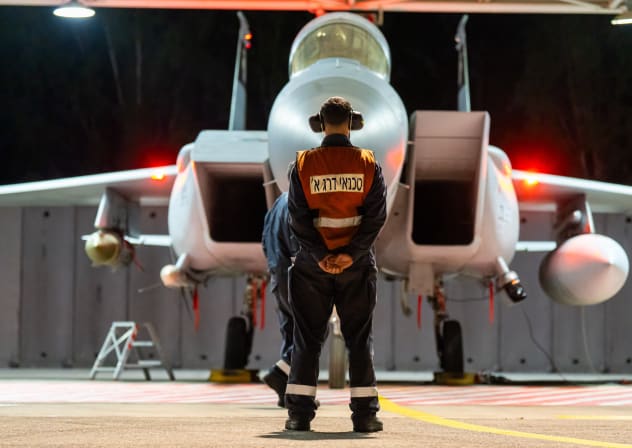
Trump rejects Putin's proposal to move Iranian enriched uranium to Russia • Five US Air Force refueling planes damaged in Iranian missile strike at Saudi air base
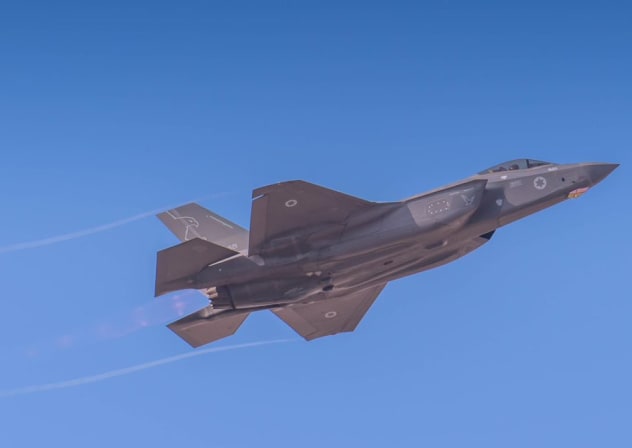
Iran's UN Ambassador also said that Tehran would not close the Strait of Hormuz, adding that it was Iran's right to preserve the security of the key shipping route.

The status of the Iranian ship and its crew is not currently known, CBS added.

Macron called the attack "unacceptable" and said that the French troops were stationed in the region as part of France's support in fighting the Islamic State in Iraq and Syria.

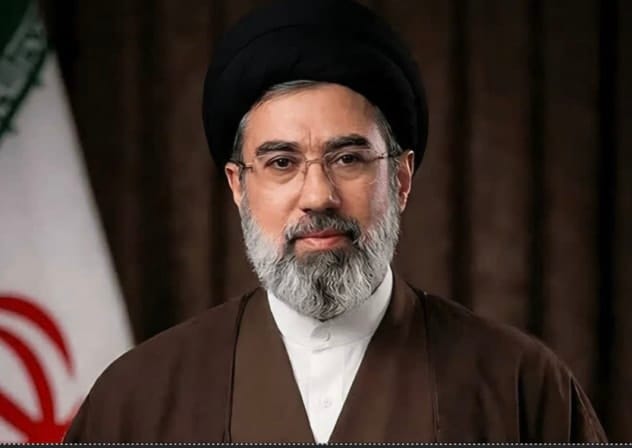
The message contained several typographical errors when published and was described by a knowledgeable source in Tehran as having been dictated by the IRGC and released under Mojtaba Khamenei's name