US must respond to Iran’s downing of Apache helicopter, Trump warns
“Last night, the Iranians shot down one of our highly sophisticated Apache Helicopters while patrolling over the Strait of Hormuz,” Trump described in a post on Truth Social.

“Last night, the Iranians shot down one of our highly sophisticated Apache Helicopters while patrolling over the Strait of Hormuz,” Trump described in a post on Truth Social.


Former US ambassador to Oman, Marc Sievers, told The Jerusalem Post that Oman's inaction has “undermined their reputation” in the eyes of the US.

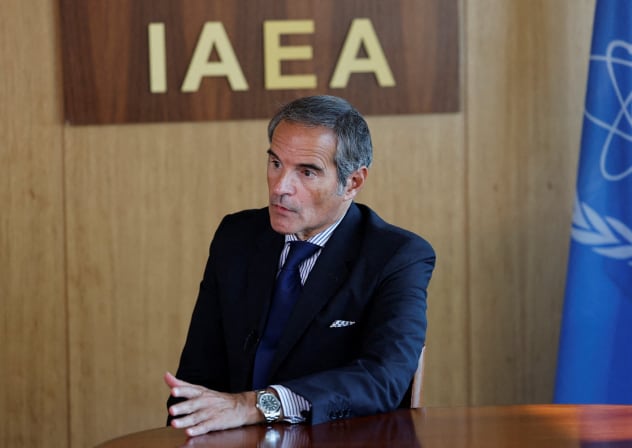
The IAEA chief said communication with Tehran is “broken,” as the US pushed a resolution demanding answers on Iran’s enriched uranium.
Iran International reported that missile launches toward Israel may have been carried out under pre-established protocols without coordination with Khamenei’s office.

Saudi Arabia and Qatar signaled that diplomacy with Iran remains possible, even after renewed missile attacks on Israel.

One of Iran’s key strategies for maintaining regional influence is not to lose its hold over Iraq, leading to strikes against Kurdish Iranian opposition groups in Iraq.

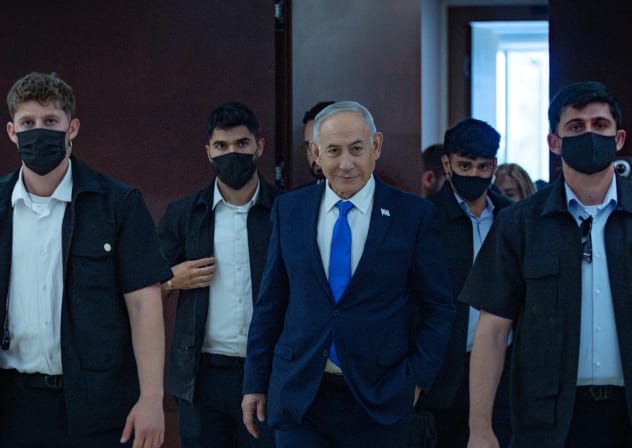
Had Netanyahu bowed to Trump's request on Sunday and refrained from responding after Iran fired 11 ballistic missiles, Israel would have signalled weakness and constraint.
Iran's strikes on Israel are not so much a response to strikes on Beirut as they are Iran's attempt at clawing back regional power and influence.

Celebrations were seemingly held in Tehran and Kermanshah, where crowds were recorded waving the regime’s flag alongside the flag of Hezbollah, a Lebanon-based arm of the IRGC.

Iran's attacks came as a result of Israel's strikes in southern Lebanon, the statement says.

“If this stage is concluded, the nuclear issue will be one of the next items for negotiations,” Tasnim quoted Baghaei. “The rest of the discussions that are being raised now are media speculation."
