
Almost every conversation I have with a friend who came out of Gaza as a reserve soldier includes questions about how they and their colleagues have been mentally dealing with such a difficult situation. One of my close friends experienced an attack by Hezbollah where his friend, literally meters away from him, was shot dead. Another soldier in that unit was severely injured.
My friend complained that they weren’t equipped with bulletproof vests, for instance. Still, there was one element he praised the IDF for. He, like every single other IDF reservist whom I spoke to in the past few months, has said that the mental health issue is being dealt with in the most phenomenal way possible.
The current war in Gaza and on the northern border has caused Israelis to ask many questions regarding how our military has been operating for decades, and precisely why it responded so poorly to the October 7 massacre that day, and in the subsequent days after. The intelligence element was lacking, and it took too long in most areas for the IDF to react in time.
It just so happens that the IDF is probably the most advanced army in the world concerning the treatment of post-trauma disorders (PTSD), as well as preventing them from incapacitating its soldiers.
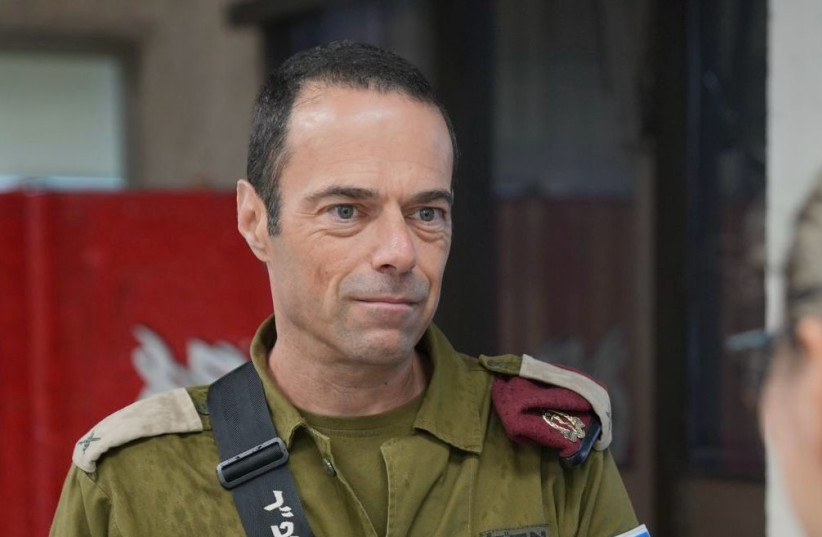
Earlier this week, I conversed with Elon Glassberg, chief medical officer (surgeon general) of the IDF.
“In our military system, we distinguish ourselves in a few unique ways compared to other armies worldwide,” he shared. “The significant difference is our approach within the combat platoon, where the fighters’ roles are crucial regardless of their corps. For instance, in Germany, a corporal in the medical corps holds a higher rank than the air force commander, underscoring the importance we place on medical roles.”
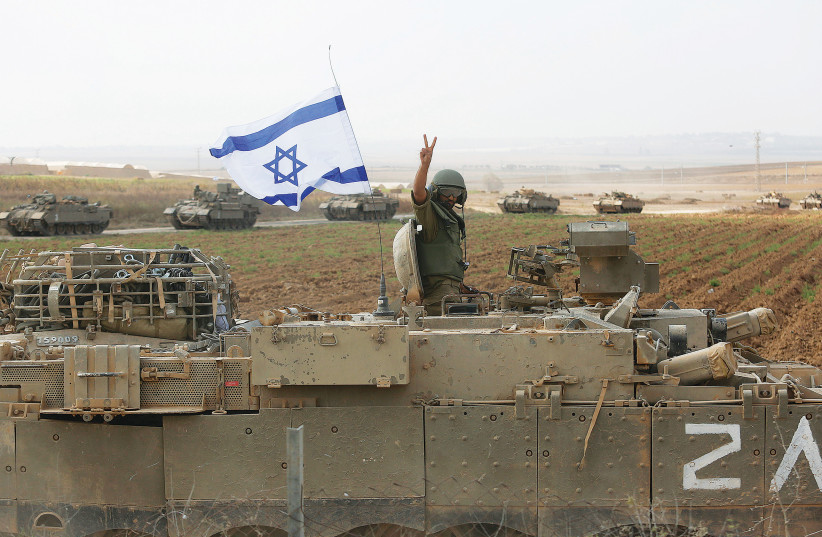
Responding to deaths on the battlefield
This whole approach is new: “After Operation Protective Edge, there was a great military effort to try and assist those who needed mental assistance. But we were too late and approached reservists individually after they went back home. It didn’t work out well. They moved on. Some asked, ‘Where have you been until now?’ We thought the closure with their comrades was much more professionally correct and would assist their return home.”
Glassberg said that in many cases, the mental health officers needed to assist the wives of the reservists who were in distress. “There is a very extreme transition ahead of reservists returning home to their families after three months. Sometimes, we try to have a Zoom call with the families and tell them how they should allow their son, husband, or father to return gradually.”
Though across Israel, psychiatric medications have been on the rise since October 7, in the IDF, that isn’t the case. “The solidarity and the fact that there is unity and cohesion affect and help the feeling of confidence among the reservists. It seems to work.”
Asked about the ‘day after,’ Glassberg said he was also worried, hoping for the best. “Mental health services must offer a more significant service to these reservists. We will copy the model of treatment levels for the day after.”
In addition, the IDF’s medical advancements are impressive: The average time from being wounded in Gaza to getting to the operating table in a hospital has been shortened to a mere hour and five minutes. While the global average death rate from injuries stands at 15%, the IDF has managed to reduce this figure to 7-8%.
“We have transitioned from traditional methods to more modern approaches, like replacing paper-based medical records with tablets. We have also introduced NFC technology in our operations, particularly useful in hospital settings.”
Finally, Glassberg surprisingly shared that all soldiers and reservists received a link to download a particular meditation application on their cellphones to calm down and stay focused. This is what the battlefield will look like in 2024.