
Phase II of the Gaza peace plan appears to have left the station and is steaming ahead. But Israel seems to be left off the train or, at best, is sitting far back in the passenger section.
As outlined in US President Donald Trump’s 20-point plan for ending the Israel-Hamas War and rebuilding the Gaza Strip to ensure it poses no security threat to Israel, the second phase focuses on the demilitarization of the region, security measures, governance, and reconstruction.
Last week in Davos, Trump announced with pomp the nominations and appointments to his “Board of Peace,” and his right-hand man in the Middle East, Steve Witkoff, heralded the beginning of Phase II.
The plan, as it stands, however, crosses many of the red lines that Prime Minister Benjamin Netanyahu and the Israeli government set before proceeding to the next phase. The leverage that Israel should possess in determining the course of Phase II is virtually nonexistent and represents a strategic failure for Netanyahu.
First of all, the last remaining hostage, Ran Gvili, is still being held in Gaza, despite Israel’s insistence that Phase II shouldn’t commence until all of the hostages’ bodies are returned. Trump has indicated that the location of Gvili’s remains is known, so there is no reason that his return shouldn’t be a prerequisite for moving forward.
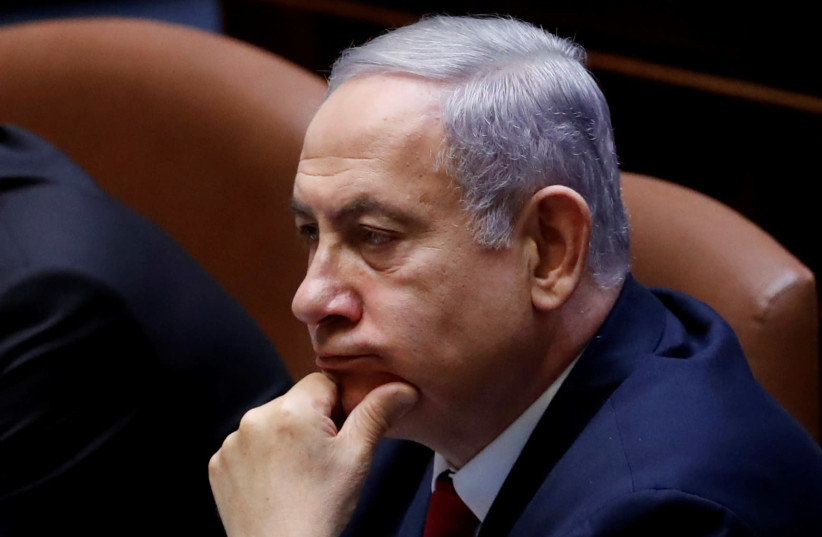
Israeli rejections, without solutions, led to a worse outcome
The Board of Peace includes Qatar and Turkey, both of which Netanyahu insisted could not be part of the forces that are expected to disarm Hamas. But because he and his government failed to present their own “day after” plan for Gaza throughout the two-year war and during the subsequent ceasefire, the result is much worse than it could have been.
Israel’s insistence that the Palestinian Authority was off the table has resulted in Hamas supporters being put in charge of disarming the terrorists. We know how that is going to play out.
Just as critical, at the Board of Peace signing ceremony last week, it was announced that the Rafah border crossing into Gaza would be reopened this week for Gazans entering from Egypt. Although it was part of Trump’s 20-point plan, Israel has been insistent that until Gvili’s body is returned and Hamas is disarmed, Rafah would only be open for Gazans wanting to leave the area for Egypt, but not both ways.
According to reports in Hebrew media outlets, Israel was informed about the decision to announce the two-way opening of the crossing but was not consulted. The Prime Minister’s Office refused to confirm that the crossing would be opened and issued a bland statement that the security cabinet would discuss the issue at the beginning of the week.
Under international pressure, Israel will, of course, have to comply. Even if reports that the government plans to conduct significant oversight of the crossing bear fruit, it’s still not how Israel wanted the reopening of Rafah to play out.
Israel wants to restrict the number of Palestinians entering Gaza through the border crossing with Egypt to ensure that more are allowed out than in, Reuters reported Friday. It didn’t explain how it planned to enforce limits on the number of Palestinians entering Gaza from Egypt or what ratio of exits to entries it aimed to achieve, the report said.
That concept will surely butt up against the aims of the Board of Peace.
Former MK Einat Wilf, an Israel advocate, posted over the weekend a proposal saying, “If Gazans want to return to Gaza, it means they are thereby saying that Gaza is their home.” If they want to enter, they would need to give up their UNRWA “refugee” certificate and sign a declaration that they have no right of return to Israel.
That’s wishful thinking and would be a silver lining to a developing process by which Israel is being railroaded into accepting decisions that compromise its security.
Netanyahu and his government should have devised a “day after” proposal that made Israel an integral partner, instead of kowtowing to Trump’s whims and the Board of Peace’s dictates, ensuring Hamas’s exclusion from Gaza’s rebuilding.
The government failed to do that, and now it appears to be powerless to stop the runaway train from bearing down and enabling Qatar and Turkey to rebuild Gaza with their natural partner, Hamas.