Weizmann Institute of Science
'Not a gradual slide': Menopause can reshape women's bodies in a sudden shift, Israeli study finds
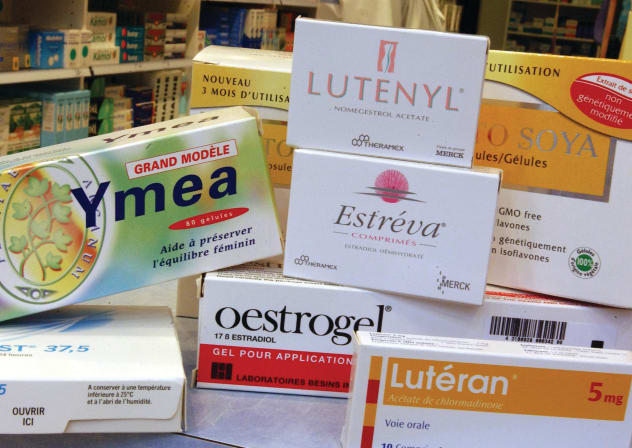
Menopause may be less gradual than previously thought, with abrupt changes in bone health, liver function and cholesterol, Weizmann Institute of Science researchers find.

Iranian plot to assassinate Israeli nuclear scientist results in four convictions

From Weizmann computers to start-up nation: How Israel grew to become a high-tech powerhouse

Nobel Prize, Israel Prize laureate, Ada Yonath, dies aged 87
The bunny and the hourglass model: A new technique tracks earliest stages of embryonic development
An innovative Weizmann Institute technique for tracking the earliest stages of embryonic development is applied for the first time in rabbits.

Weizmann Institute team finds new insight to pituitary disorders
There’s a new Weizmann Institute hypothesis on your hypophysis (pituitary gland)

Researchers find new way to make animal antibodies safe for humans
Weizmann Institute of Science researchers present a new algorithm to greatly speed up the process of engineering therapeutic proteins to protect against diseases

Weizmann Inst. develops first ‘cellular time machine’ to measure body changes
researchers at the Weizmann Institute of Science in Rehovot have developed the first technique to measure cellular changes in the body over time.

Exposure to tears leads to lower aggression in males - study
Weizmann Institute researchers: Women have a powerful weapon in their eyes against men’s aggression

Why people with diabetes are more prone to respiratory risk - study
New Weizmann Institute study reveals how high blood sugar makes lung infections worse.

Newly discovered autoimmune disorder disrupts tooth enamel development
Celiac disease in children might be associated with sensitivity to a protein abundant in dairy products.

14 Days: New Embassy
Israeli news highlights from the past two weeks.

Avoiding detection: How cancers evolve to escape immune system responses
In a study by the Weizmann Institute of Science, researchers pulled out a previously unknown mechanism that allows cancer cells to slip by immune system defenses.

50 Influential Jews: The Protest Leaders - No. 4
Prof. Shikma Bressler, Eynat Guez, and Eyal Naveh are championing the fight against judicial reform.
