Using an 800,000-year-old tooth, researchers unlock the secrets of Israel’s ancient elephant haven
Archaeologists uncover clues to the lives of giant elephants and early humans who shared Israel’s Hula Valley nearly 800,000 years ago.

Archaeologists uncover clues to the lives of giant elephants and early humans who shared Israel’s Hula Valley nearly 800,000 years ago.


More than 250 Hula painted frogs and tadpoles, once mistakenly believed to be extinct, were released into the Hula Nature Reserve from the Jerusalem Biblical Zoo's breeding program.

Basalt seemingly held special importance at GBY, particularly for producing large cutting tools like handaxes and cleavers.

The ruins of the ancient settlement of Huqoq, which reached its peak during the Roman-Byzantine period, sits in the heart of the Amiad Forest in an open space near a spring of the same name.

Dig director Dr. Achia Kohn-Tavorn from Ariel University identified the stone as a Nicolo, a type of agate stone often used in jewelry and signet rings by the Romans as a symbol of wealth.

Within the charcoal, archaeologists found traces of ash, willow, oak, olive, pistachio, grapevine, oleander, and the oldest known evidence of pomegranate wood in the Levant.

The axes were dated to the Pleistocene, likely made by Homo erectus, the first human species to evolve to have a humanlike body shape and gait, who had lived in the region thousands of years ago.

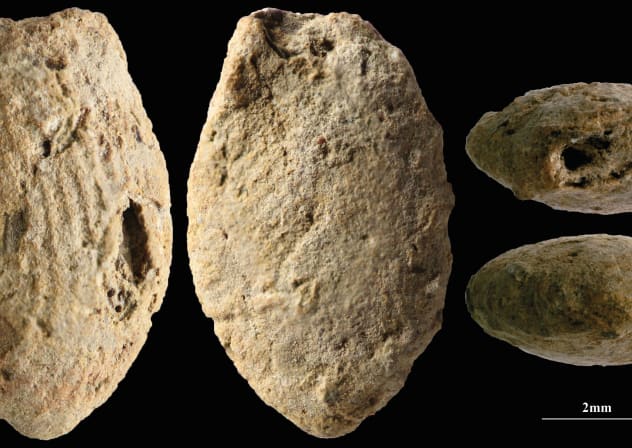
Researchers identified 19 different types of beads, whose shapes are reminiscent of plants that were harvested by Natufians, and were vital to their lives, such as wild barley, lentils, and peas.
Intensive management has saved the Kinneret from crisis, but rising salinity and ecological change pose growing risks
