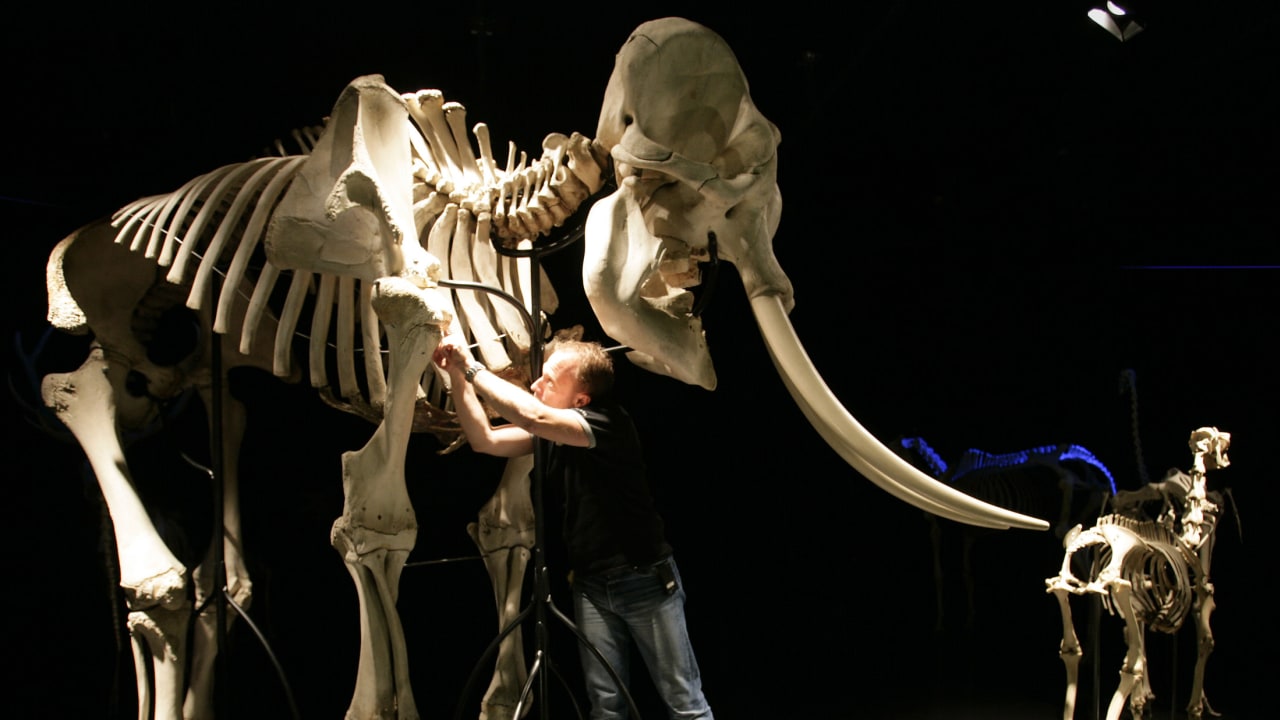
A “baseball-sized” bone discovered in Spain may have belonged to one of famed Carthaginian general Hannibal’s war elephants, according to a new study published in the February edition of Journal of Archaeological Science.
The finding represents the first elephant skeletal remains found to possibly confirm Hannibal’s historical march from Carthage to Italy during the Second Punic War.
The bone, identified as a wrist bone from an elephant's right forefoot, was originally found during archaeological digs at the site of a fortified Iberian village in Córdoba, Spain, in 2020.
In the same layer of earth, archaeologists also discovered artillery ammunition, a heavy bolt from a siege weapon, and a Carthaginian coin minted between 237-206 BCE.
According to the study, similar findings have been uncovered at other Spanish sites linked to the Second Punic War.

Exact species of elephant is unclear
According to researchers, the exact species of elephant cannot be determined.
The study noted that the debate lies between the possibility of an Asian elephant, the same species used by the Greek king Pyrrhus against the Romans during the First Punic War, or a now-extinct species of African elephant, which the Carthaginians preferred to use during battle.
Even so, the discovery “may constitute one of the scarce instances of direct evidence on the use of these animals during Classical Antiquity, not only in the Iberian Peninsula but also in Western Europe,” archaeologist and first author of the study, Rafael Martínez Sánchez, wrote.
“While it would not represent one of the mythical specimens Hannibal took across the Alps, it could potentially embody the first known relic − so sought after by European scholars of the Modern Age − of the animals used in the Punic-Roman wars for the control of the Mediterranean.”