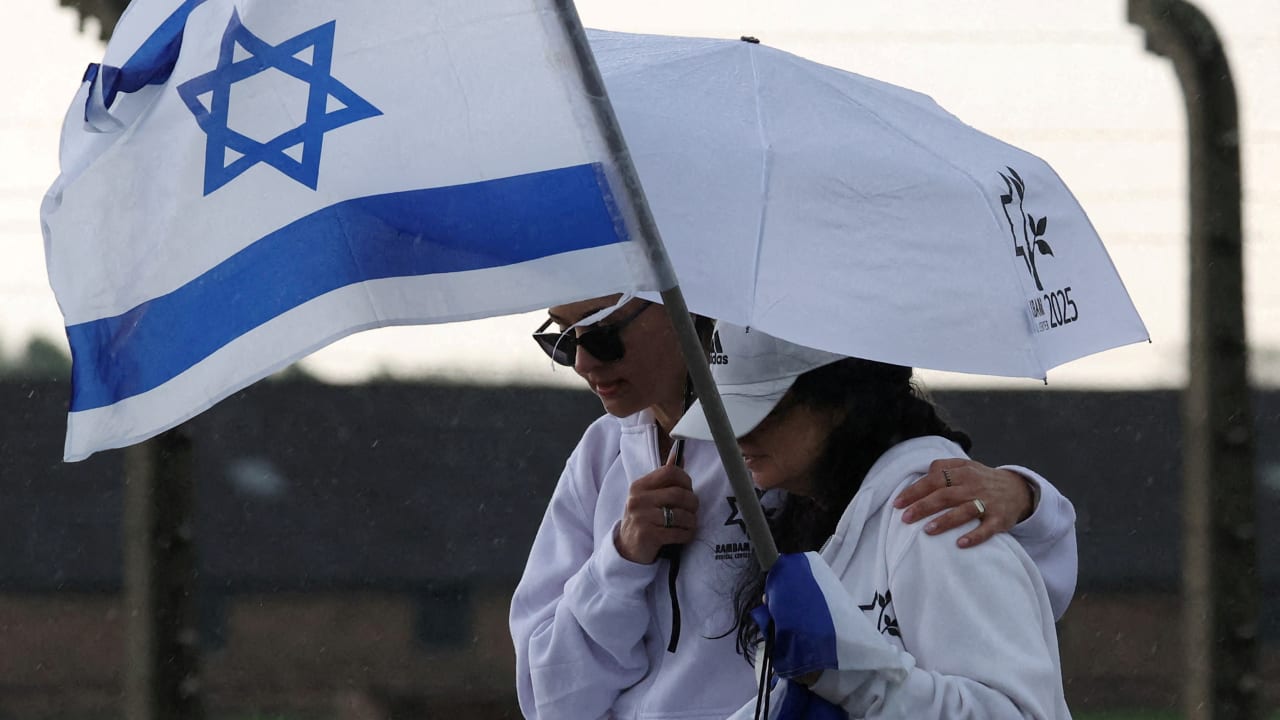
The proportion of Polish citizens who dislike Jews has risen to 40%, according to Poland’s Centre for Public Opinion Research’s (CBOS) findings.
Conducted annually since 1993, the survey asks Poles whether they like or dislike various national and ethnic groups (21 in total).
CBOS found that the proportion of Poles saying they dislike Jews (40%) and Americans (18%) rose eight percentage points in both cases since last year, more than for any other group. This was followed by a dislike of Ukrainians, which rose by 5% to 43%.
Nevertheless, Russians, Belarusians, and Roma people are still the most disliked national and ethnic groups in Poland. The most popular were Italians, Czechs, and Slovaks, in that order.
Americans were once the most popular ethnic group in 2023, but now rank fifth. The number of those with positive opinions of Jews is at its lowest since 2006, at just 22%.
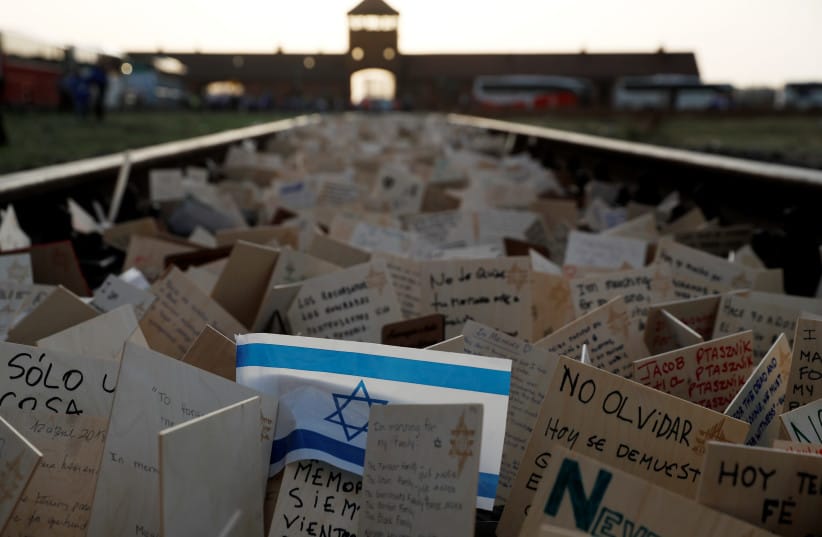
CBOS poll finds rising antisemitism in Poland
The survey found that, for the third year in a row, the attitude of Poles toward nations that they see as having gained after the outbreak of the war in Ukraine – Americans, English, and Ukrainians – has again been deteriorating.
“Since the outbreak of the war in Ukraine, Poles have been the most negative toward Russians: 74% of respondents express dislike, while only 7% report sympathy,” the CBOS report said.
Polish media have noted that the report indicates that Polish citizens are becoming more distrustful of other nations, and that their sympathy for neighboring countries is also decreasing.
“Comparing the results from 2023 and 2026, we notice that the national sympathies of Poles are no longer lasting and obvious,” the report said, adding that “they are increasingly becoming dependent on current political events and narratives present in the public debate.”