From time to time, we hear a new promise about a miraculous supplement for skin and hair – this time it’s gelatin: A simple and cheap powder that suddenly became an “anti-aging star.” Some take it in expensive capsules, others add a spoonful to soup, and the promise is clear: Firm skin, healthy hair, fewer wrinkles. So what is really true? Is there a difference between types of gelatin? And what do the studies say?
I checked it thoroughly for you – and here’s everything you need to know.
What exactly is gelatin – and how is it related to collagen?
Gelatin is a protein derived from collagen – that same important structural protein found in skin, tendons, bones, and cartilage. It is created by breaking down collagen from animal sources (mainly bones, skin, and cartilage) and becomes a water-soluble, jelly-textured substance.

In fact, all gelatin is broken-down collagen. But – our body does not “rebuild” collagen from it, but uses it as amino acids, like any other protein. Meaning, just like protein from food – from eggs, cheese, chicken, or legumes.
Gelatin in food
Gelatin is found in a variety of processed foods:
• Sweet jelly for home preparation
• Gummy candies
• Marshmallows
• Certain dairy desserts
• Homemade soups cooked from bones (like bone broth)
• You can also add powdered gelatin (kosher) to soups, shakes, and desserts, or make homemade gummies with fruit.
Is it healthy?
It depends. Gelatin does not contain vitamins or minerals – you won’t find calcium, iron, vitamin C, or other essential nutrients in it. Its main nutritional value is its amino acid content, mainly glycine and proline, which are important for collagen building, connective tissue function, skin, joints, and blood vessels.
But it is important to know that these amino acids are not unique to gelatin – they are also found in a variety of regular animal-based foods like meat, chicken, fish, and eggs, and even in some plant-based foods. That means that anyone who eats a balanced diet containing quality proteins gets the same amino acids without needing a supplement or powder.
Therefore, gelatin may be a useful cooking ingredient, but nutritionally – it’s not essential, and you can easily get everything it offers from other sources.
Gelatin capsules versus kitchen gelatin
Whether you take capsules or add a teaspoon of gelatin to soup – the substance is the same. The difference is in dosage, processing, and marketing.
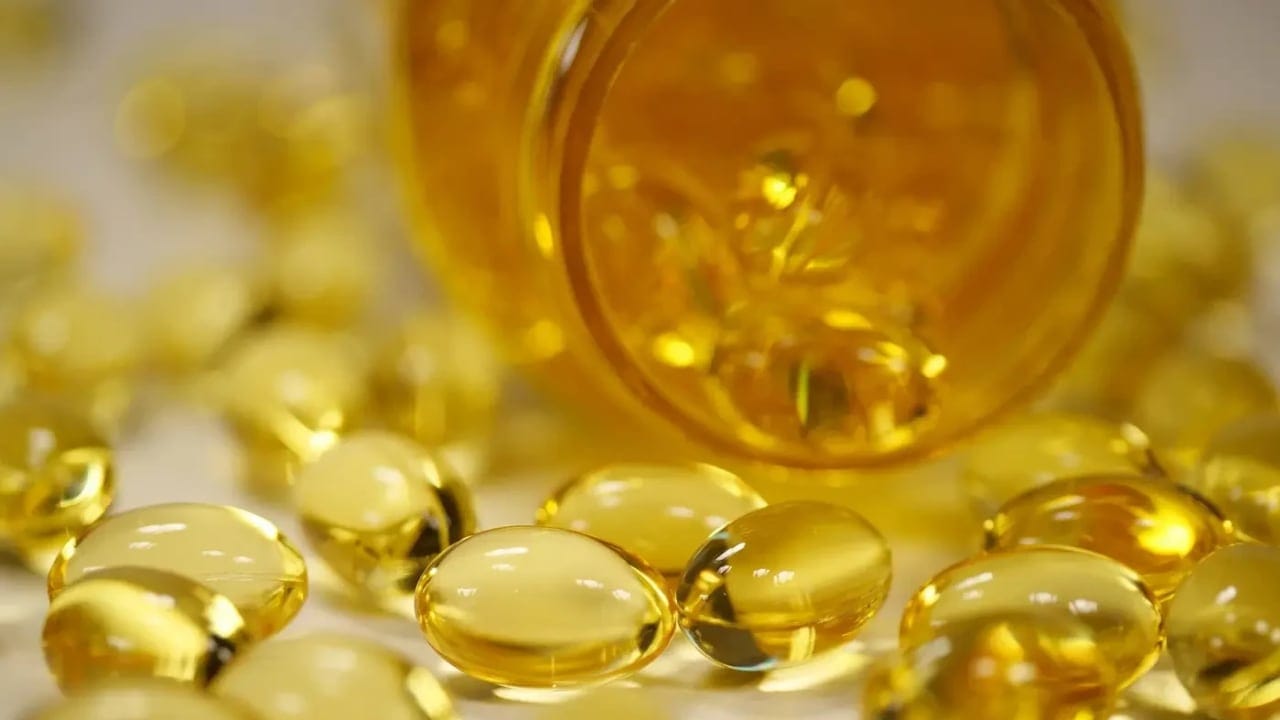
Gelatin capsules usually come in small doses (500–1000 mg per capsule) and are marketed for skin, hair, and nail support.
Powdered gelatin for food (regular kosher or glatt kosher) usually contains 5–10 grams of gelatin per tablespoon – ten times or more the amount.
So why pay more for capsules? Good question. There is no evidence that capsules work better. They are simply more convenient for those who don’t want to cook.
And what do the studies say? As with collagen supplements – there is no scientific consensus here either. An important study found no improvement in skin appearance or collagen amount after taking gelatin for 12 weeks.
There were a few other systematic reviews concluding: The aesthetic benefit has not yet been proven, and there is not enough evidence to recommend supplements to the healthy public.
There were also a few small studies supporting (cautiously) its use: A small 2018 study showed a slight improvement in skin elasticity in postmenopausal women after taking hydrolyzed collagen supplement (similar to gelatin).
Studies with added vitamin C suggest that gelatin may help with tissue recovery after physical activity (mainly tendons).
So what’s the bottom line? In certain situations, gelatin may contribute to skin or tendon health, but it’s far from being an “anti-aging cream you swallow.”

What’s inside gelatin and is it kosher?
Most commercial gelatin is made from animal parts – mainly from bones, tendons, and skin of cattle, pigs, or fish.
It is important to know: Abroad, most gelatin is made from pigs; in Israel – there are products (mainly medications or supplements from abroad, or certain candies) where the gelatin is made from cow bones – and they are still not kosher unless they have explicit kosher certification.
Fish gelatin (less common) is considered pareve and is not problematic for most people keeping kosher – but is not always available in Israel.
Gelatin capsules are also usually made from animal gelatin – check if the capsule itself is kosher, and whether the substance inside is made from an approved source.
Gelatin itself – not vegan. It is always made from animal sources: Bones, tendons, skin of cattle, pigs, or fish. Therefore, even when it’s “kosher” – it is not vegan.
Vegan substitutes for gelatin
If you are looking for gelatin’s effect (thickening, gelling, stabilizing) – there are a few plant-based solutions:
Agar-agar – made from red algae, very common in the food industry and in vegan cooking, used for making jelly, pudding, cold cakes, and more.
Pectin – naturally found in apple peels and citrus fruits, used for making jams and marmalades. It does not exactly mimic gelatin’s texture, but acts as a “thickener.”
Carrageenan – also from algae – but has health controversies (some industrial versions have been linked to inflammation).
Important note: Vegan substitutes mimic gelatin’s texture – but not its nutritional profile. They do not contain protein, and there is no evidence they affect skin, hair, or tendons like real gelatin (if at all it does).

Want to keep your skin healthy? Focus on the basics
You don’t need to rush to buy supplements – the way to healthy skin starts with what we eat and drink. Gelatin is only a possible addition – and not a substitute for a proper, varied, and rich diet. So what does work?
Quality protein – chicken, fish, eggs, legumes
Protein is the building material for collagen in the body. A deficiency can harm the skin’s texture and elasticity.
Make sure you have a quality protein source in every meal – whether animal or plant-based – to give your body what it needs for tissue repair and maintenance.
Vitamin C – fresh fruits and vegetables
Vitamin C is essential for collagen production, the main protein in the skin. In addition, it is a powerful antioxidant that helps protect the skin from sun and pollution damage. Citrus fruits, peppers, tomatoes, kiwi, and broccoli – all are excellent sources.
Vitamin E – mainly almonds
Vitamin E keeps the skin moisturized, fights free radicals, and may help slow down aging processes. A few almonds a day or a tablespoon of raw tahini can make a significant contribution.
Adequate water intake
Even mild dehydration immediately affects skin appearance – it looks tired, dry, and more wrinkled. Drinking water regularly throughout the day is as important to the skin as any moisturizer.
Avoiding smoking, getting enough sleep, and reducing stress
Just a reminder – smoking accelerates collagen breakdown and causes premature skin aging. Lack of sleep and chronic stress disrupt skin cell renewal processes and can worsen inflammation and wrinkles.
Try to maintain good sleep habits, as much as possible these days, take deep breaths, and engage in relaxing activities during the day.
For Dr. Maya Rosman’s course: How to improve health and lose weight sensibly and reasonably – click here