
IDF Brig.-Gen. Shai Taib, head of the military's Planning and Personnel Administration Division, warned the Knesset Foreign Affairs and Defense Committee on Thursday that Israel’s regular combat force could face severe strain without urgent manpower legislation.
Taib said the IDF needs three measures: an effective draft law, an extension of mandatory service, and a reserve service law. He said the intensity of fighting was increasing and that the coming years were expected to place continued pressure on the military.
“Unfortunately, the combat gap is only intensifying, and this is what the coming years will look like,” Taib told the committee.
He said extending mandatory service would help the IDF build force capacity, address burnout, and create greater flexibility within the service framework. Taib added that the army had already established dozens of reserve battalions, planned to create two additional infantry battalions, and returned tens of thousands of former service members to duty.
This comes after the Knesset passed the contentious Basic Law: Torah Study bill on Wednesday evening. Critics of the bill argue that it encourages draft evasion and enables yeshiva students who do not serve to continue receiving state benefits, even amid the IDF’s severe manpower crisis.
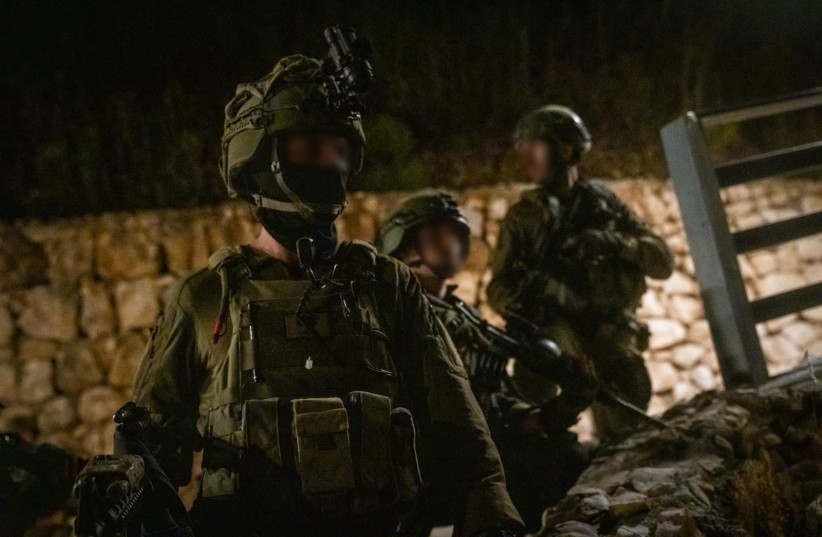
During the Thursday Knesset hearing, defense and political officials criticized the IDF for presenting the extension of mandatory service as a technical measure, rather than as part of a broader change to Israel’s military model.
IDF officials warn some combat units facing critically severe shortages
Officials said the IDF's General Staff should develop a multi-year service model that reflects the security reality after October 7. They argued that combat and key combat-support roles should be assigned longer, predetermined service tracks to reduce dependence on political and legislative timelines.
Officials also said the IDF should define an operational red line for reserve readiness, using measurable parameters rather than general warnings about “burnout.” They said continued reliance on reservists to cover regular-force gaps could harm Israel’s economy and social cohesion.
Defense officials believe the IDF should present the political echelon with full data on reserve-unit erosion, including attrition, damage to businesses, strain on families, and mental-health caseloads.
One military source familiar with the issue said technological and organizational solutions should be prioritized where they can replace human manpower.
IDF aims to reduce reservists' burdens
The concerns come amid broader IDF efforts to reduce reserve-duty burdens. The debate also follows IDF Chief of Staff Lt.-Gen. Eyal Zamir's warnings about the operational risks of failing to extend mandatory service.
Military officials also criticized the political system for tying the extension of mandatory service to the broader draft law, calling it a strategic mistake that endangers state security.
They said extending mandatory service is an urgent operational need stemming from past decisions to shorten service and from the changed security reality. By contrast, they argued, drafting haredi men is a longer social process and should not be presented as an immediate solution to the IDF’s manpower shortage.
Failure to extend mandatory service would immediately reduce the IDF’s combat force by about 10% to 15%, equivalent to roughly five combat battalions.
Government Secretary Yossi Fuchs said the government had received multiple warning letters from the chief of staff on extending mandatory service to 36 months, adding that the government supports such an extension in the long term alongside the enlistment of haredi men.