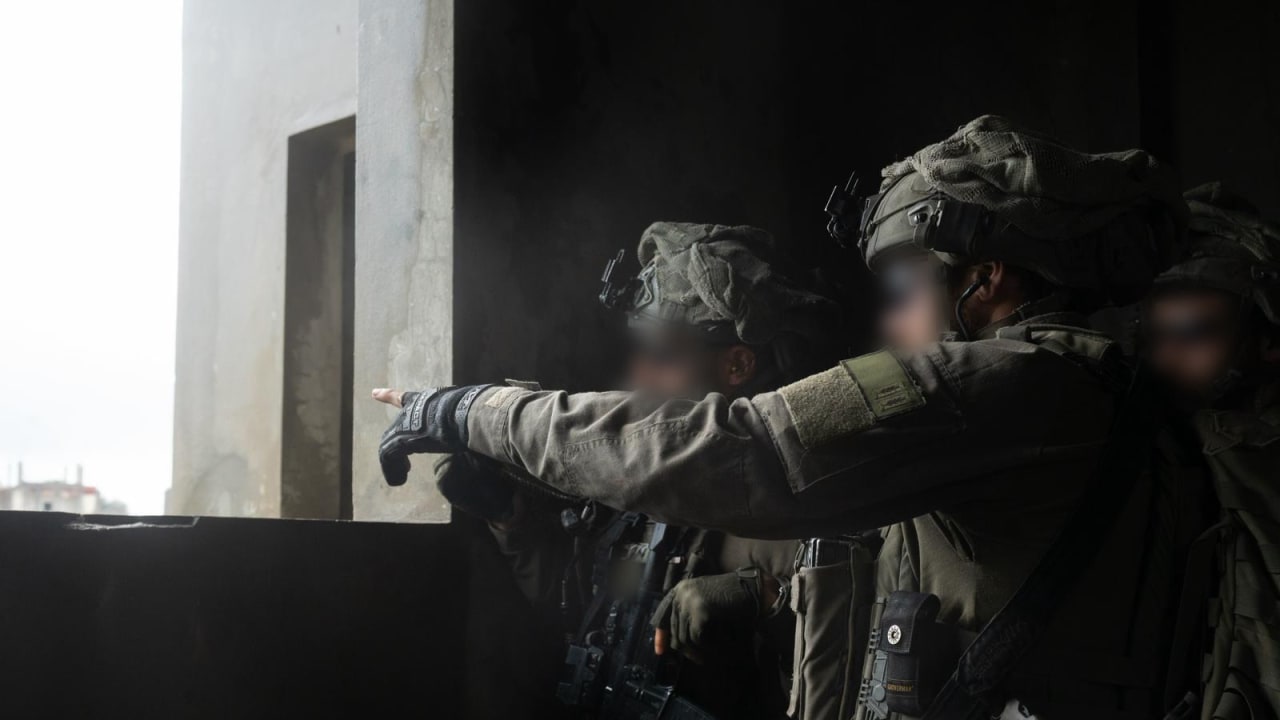
Every Israeli war develops its own grammar.
Sometimes it is a grammar of funerals, reserve call-ups, and burning buildings. The image tells the public what kind of war this is and where the danger lies.
The campaign against Iran is harder to read that way. Much of its meaning sits off-camera.
That is the core challenge. Israel is fighting a military campaign against Iran, and a political battle over how a democracy understands force when the decisive action takes place in command networks, production chains, sea lanes, intelligence systems, and financial pipelines that the public cannot easily see.
The visible part of the war is still real. A missile impact in central Israel is not a metaphor. A siren in Jerusalem is not an abstraction. But the visible part is only one layer. The deeper campaign is aimed at reducing Iran’s ability to function as a regional system: to produce missiles, threaten shipping, arm proxies, move money, and maintain pressure across several fronts at once.
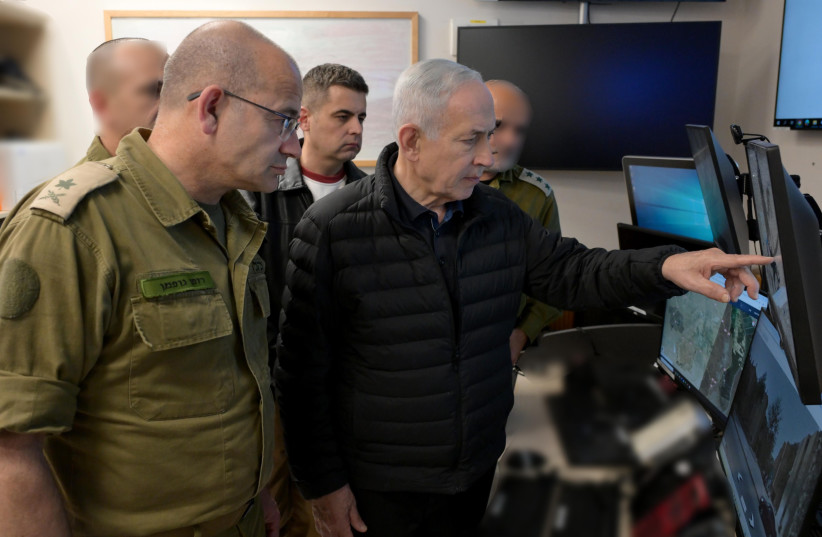
Israel is no longer only trying to shorten the next barrage or destroy the next launcher. It is trying to cut into regime capacity. That means military industry, command structure, proxy financing, naval infrastructure, and the channels that allow Tehran to turn ideology into organized force.
Tactical success is easy to photograph. Structural success is not.
The immediate emotional fact of a missile strike
A missile strike that kills civilians creates an immediate emotional fact. A damaged production line or a broken supply route creates a strategic fact that may look vague in the moment and obvious only later. That gap between what hits the eye and what shapes the war is now one of the campaign’s central facts.
It also explains why the old formula, that Israel strikes and America supports, no longer captures the real picture.
Support is too soft a word. The campaign rests on a broader structure that includes American force posture, intelligence, maritime pressure, diplomatic backing, and a shared interest in shrinking Iran’s ability to threaten the region through missiles, shipping disruption, and proxy warfare.
Coalitions often work that way. One country flies the visible missions. Another strengthens the architecture that makes the campaign sustainable.
The Gulf states belong in this story, too. They are often treated as anxious spectators, as if this were still a duel between Israel and Iran with everyone else watching from a safe distance.
That fiction is collapsing. Their airspace, energy systems, shipping interests, and domestic stability are already tied to the war’s trajectory. Governments in the region may still prefer caution in public, but quiet alignment is already part of the strategic map.
This is where the deeper question emerges: What kind of power does Iran still hold?
The regime can still inflict pain. It can still frighten civilians and create spectacle. But visible violence and durable power are not the same thing. A regime begins to weaken in a deeper sense when its attacks remain visible while its ability to command, produce, finance, and coordinate starts to erode.
That appears to be the wager behind the current campaign – not one dramatic knockout blow but sustained damage to the system that keeps Iranian power moving.
That leaves Israel with a political problem as well as a military one.
Democracies can absorb hardship. What they struggle with is abstraction. The public can endure a hard campaign when it understands the purpose, the stakes, and the logic of progress.
Patience wears thin when the war feels technically impressive but emotionally hard to read. The state therefore has to explain, plainly and repeatedly, why pressure in Hormuz, a strike on an Iranian military contractor, or the disruption of Hezbollah’s financial pipeline belongs to the same war as the siren in Ramat Gan.
Otherwise, the enemy keeps the advantage of spectacle while Israel carries the burden of complexity.
The lazy way to cover this war is as a daily scorecard. Launches, strikes, damage, retaliation. Those facts are necessary. They do not explain the campaign.
The more serious question is what kind of war is taking shape. The answer is now fairly clear. This is a war over capacity, over alliance architecture, and over who gets to shape the operating environment of the Middle East after years in which Iran used proxies, missiles, and strategic ambiguity as a permanent method of rule.
There is also a Zionist dimension to this. Zionism at its most serious was never only a language of injury. It was a language of agency. It asked whether Jews could move from reacting to power to organizing it. That is why wars like this test more than firepower. They test political maturity.
Israelis will always respond first to the visible wound. They should. A living society reacts to what it sees.
But a sovereign people has to know how to read more than the smoke in the sky.
This war is happening outside the frame. Israel will have to learn to understand it there.