Is Iran’s regime at a tipping point? - analysis
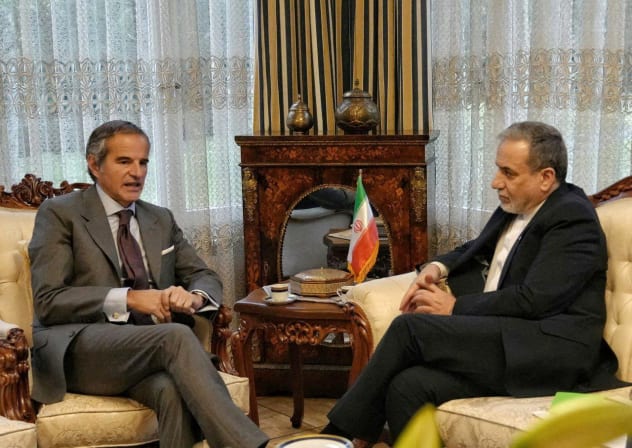
Iran’s diplomatic moves, not calling for assistance or reaching out to its allies, seem to be intended to show that Tehran believes everything is going to turn out all right.
Trump seemed inclined to negotiate with Khamenei in his second term and probably would not have used force against the regime if not for an Israeli decision to attack Iran's nuclear program.
Major demonstrations began on December 28, when Tehran's bazaar merchants closed their shops and took to the streets in anger over the country's growing financial difficulties.
Israel is on high alert for the possibility of a US intervention to support a nationwide protest movement in Iran, sources said.
He asserted that he had received “reliable reports” indicating the authorities were facing “a severe shortage of mercenaries to confront the millions of people in the streets.”
The IDF has begun a manhunt for the terrorist.
Axios reporter Barak Ravid cited a US source on X, saying that it was a routine check-in call between the two countries.
Mazloum Abdi, head of the SDF, said that the group had reached an understanding for a ceasefire, in order to allow for the evacuation of trapped civilians and fighters from Aleppo.
Bangladesh said its national security adviser, Khalilur Rahman, met US diplomats Allison Hooker and Paul Kapur in Washington.
The strikes are a continuation of Operation Hawkeye Strike, CENTCOM said, an operation that began in retaliation for an Islamic State attack that killed two US soldiers and one civilian.
"Admin officials have had preliminary discussions about how to carry out an attack on Iran if needed to follow through on Trump's threats," The Wall Street Journal reported on Saturday.