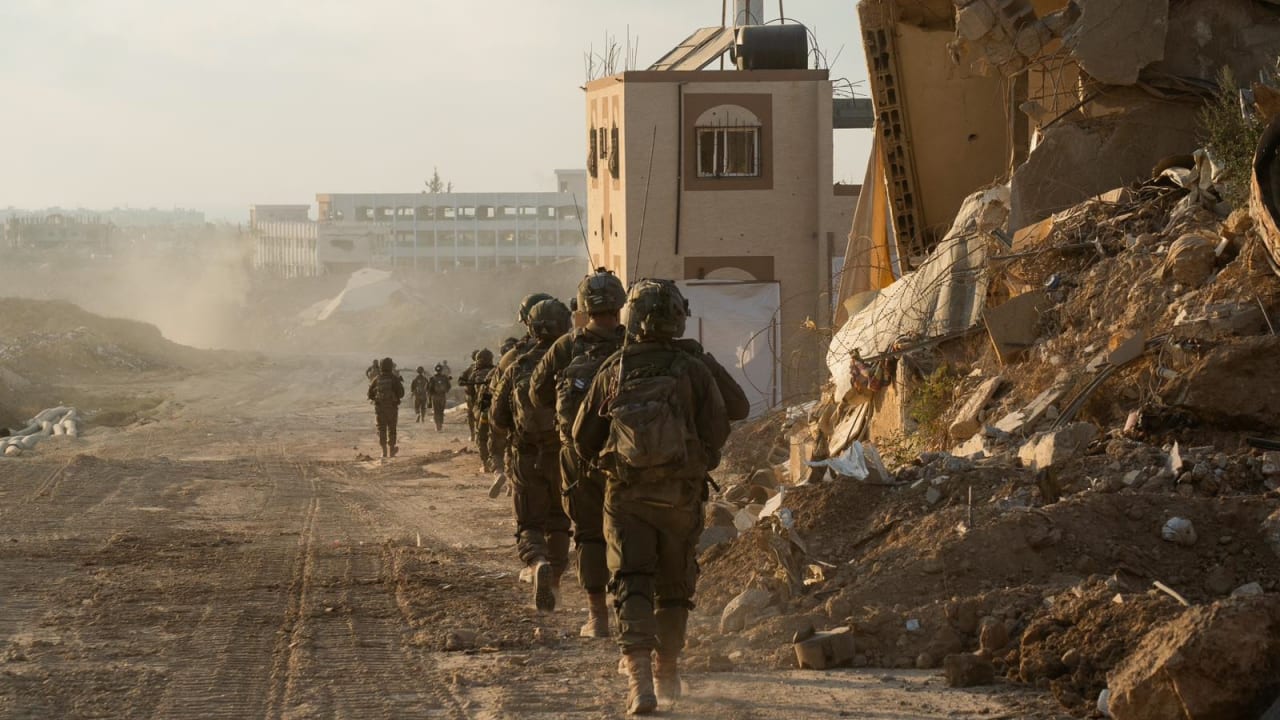
The groundbreaking decision by the interdisciplinary expert committee appointed by the Defense Ministry, which established a causal-medical link between Post-Traumatic Stress Disorder (PTSD) and seven common chronic illnesses, is truly welcome news for thousands of PTSD sufferers in Israel.
This decision unequivocally confirms what has long been understood: psychological trauma is not disconnected from the physical body. The profound connection between mind and body now receives official medical and public validation, necessitating a reevaluation of how we address the impact of combat on soldiers.
The economic cost of PTSD in Israel represents a heavy and escalating burden on the economy, with enormous implications extending far beyond direct treatment expenses. A study conducted by the SFI Group and the MAPS Israel organization estimates that the additional cost of the disorder to the Israeli economy over the next five years could reach approximately NIS 197 billion ($56 b.), an amount equivalent to a significant budget increase for the Defense Ministry following a war.
According to the study, the lifetime cost to the economy for an individual suffering from PTSD amounts to approximately NIS 1.86 million ($530,000). This substantial sum is primarily attributable to loss of employment and decreased productivity (approximately 74%), as many individuals struggle to function effectively in the workforce.
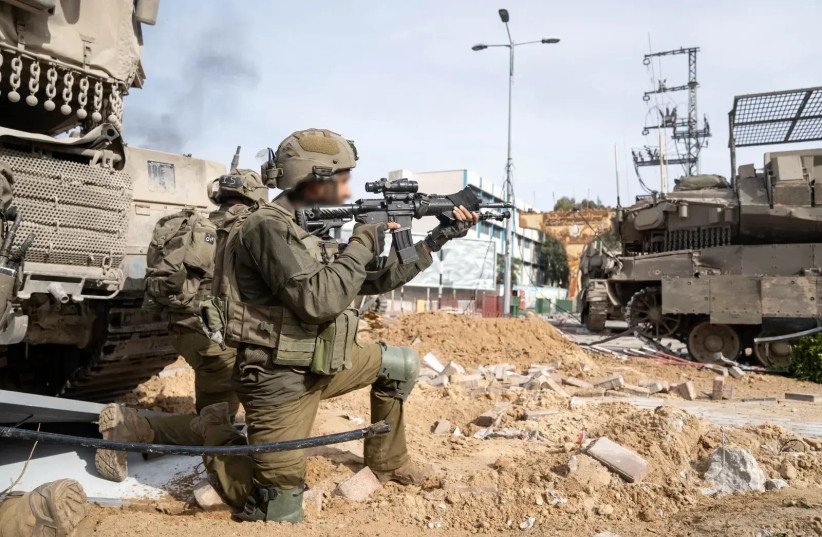
PTSD in IDF soldiers costs the country billions
Furthermore, there are healthcare and disability benefit expenses (approximately 18%) covering psychological and psychiatric treatments, medications, and care for associated chronic illnesses such as diabetes and heart disease, as well as costs derived from an increased risk of comorbid conditions and addictions (approximately 8%).
For comparison, the economic cost of other chronic illnesses, such as diabetes or heart disease, ranges between NIS 1.8 billion and 2.2 b. ($510,000-$620,000) annually. This clearly indicates that effective, proactive trauma care is not merely a matter of human compassion, but a crucial economic and, more importantly, human investment. Just as the IDF equips its soldiers with physical protective gear before entering battle, it is imperative to equip them with psychological defense mechanisms. Proactive trauma care is not a luxury; it is a strategic imperative.
THE OBJECTIVE is to integrate psychological training, tools for coping with extreme stress, and even basic psychological support as an integral part of pre-combat preparation. Just as soldiers practice shooting and combat tactics, they must also practice psychological resilience.
This involves providing them with tools before they enter combat, enabling them to regulate stress responses, identify early warning signs of trauma in themselves and their peers, and comprehend the psychological processes that occur during and after a traumatic event. It is about practical training that teaches immediate “release” techniques.
Soldiers and officers should be trained to utilize tools that facilitate immediate coping upon the conclusion of a traumatic incident (e.g., after an engagement, a difficult event, or exposure to disturbing sights). Time is critical – immediately following exposure to a traumatic event, while adrenaline is still high and experiences are fresh, it is possible to prevent the development of post-trauma. The goal is to prevent the event from becoming entrenched as trauma in the brain by providing rapid emotional and physical response.
Immediately upon returning from the field, safe and accessible spaces must be established where soldiers can undergo focused and guided “trauma release.” The objective is to ensure that difficult events do not become “locked” into the nervous system, meaning that trauma release is not solely achieved through verbal processing but also physically, through recognized techniques employed by militaries worldwide and validated by numerous scientific studies.
We must not be content with reactive treatment. The State of Israel and the IDF must adopt a proactive approach to trauma care, both in preparation for combat and upon return, by embracing methods that enable efficient and rapid trauma release.
Investing in the psychological resilience of our soldiers is an investment in a healthier future for them and society as a whole. This is a moral obligation and a strategic and economic imperative.
Only then can we ensure that our combatants return home whole in body and mind, and avoid having to
contend with another war – the invisible war of post-traumatic stress.
The writer is the CEO of the IMFA Association, which conducts workshops for PTSD treatment using the inHeal method, with the support of the Defense Ministry.