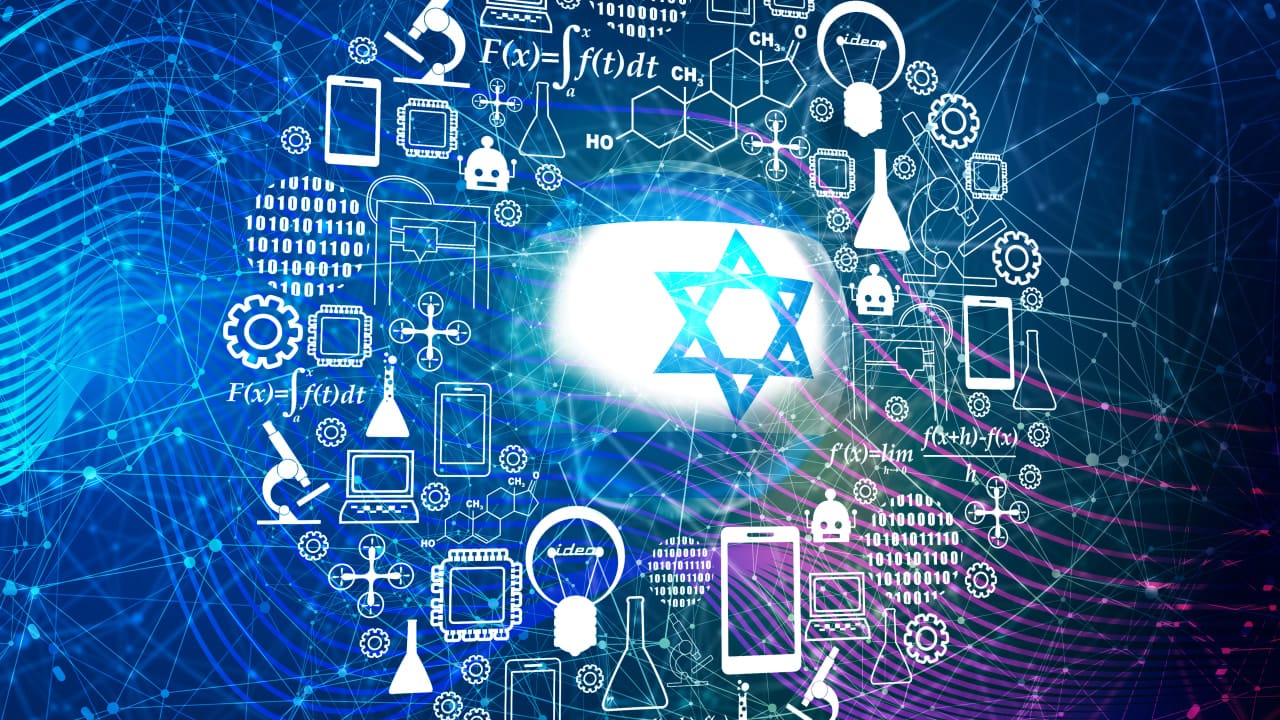
The conventional wisdom about the Abraham Accords is simple: shared fear of Iran drove Israel and several Arab states together. It’s tidy, but incomplete. The recent Pax Silica Declaration – the US-led framework for peace through silicon and semiconductors – reveals what’s really at stake: technological leadership in the AI era. And for Israel, this moment represents a remarkable return to its diplomatic roots.
Look closer at what actually happened after the accords were signed in 2020. Yes, there were photo opportunities and diplomatic ceremonies. But the real action was in the server rooms and innovation labs. Israeli cybersecurity firms began collaborating with Emirati financial institutions. Advanced agricultural technology developed in the Negev found applications in Gulf states facing similar water scarcity challenges. Delegations from Bahrain and Morocco visited Israeli tech campuses not for traditional diplomatic meetings, but for technical workshops and joint venture discussions.
The Abraham Accords weren’t just about security architecture against Tehran: They were about strengthening technological and economic collaboration – positioning for an era when innovation, not oil, would define regional power.
In the 1950s and ‘60s, Israel built international relationships through innovation diplomacy. Golda Meir traveled across Africa promoting irrigation techniques and cooperative farming. Israeli engineers helped build infrastructure from Ghana to Burma. Development expertise became diplomatic currency, forging relationships across the developing world that lasted decades – until they didn’t.
The 1973 Arab oil embargo changed everything. Under pressure from oil-rich Arab states, many African nations severed ties with Israel. The diplomatic gains built through drip irrigation and development projects evaporated when oil politics intervened. Innovation diplomacy, it turned out, couldn’t withstand the leverage of petroleum.

Fifty years later, the tables have turned. The very Arab states that once led the oil boycott – the UAE and Saudi Arabia – are now leading the charge for AI-driven technological partnership with Israel. The irony is striking: the countries that used oil to isolate Israel are now seeking Israeli technology to prepare for the post-oil era.
The significance of the reversal
This reversal comes at a pivotal moment. The Pax Silica Declaration represents a fundamentally new approach to international relations. Unlike oil or consumer goods, AI development requires sustained, deep, technical collaboration across borders. You can’t fake it, outsource it entirely, or stockpile it like petroleum reserves.
The implications extend far beyond the Gulf. When Saudi Arabia’s NEOM smart-city project seeks Israeli expertise in autonomous systems, when Singapore explores partnerships in AI-driven urban planning, and when Indian tech firms collaborate with Israeli counterparts on machine learning applications – they’re all creating dependencies that run deeper than oil pipelines or trade agreements. They’re building systems that require ongoing cooperation to maintain and improve.
This is technological diplomacy in action, and it operates by different rules than Israel’s mid-century innovation programs. Agricultural techniques and construction methods were valuable but ultimately transferable – once you learned drip irrigation, you could replicate it independently. AI systems, on the other hand, demand ongoing collaboration. When your financial systems rely on jointly developed cybersecurity protocols, when your smart city infrastructure is built on collaborative autonomous systems, you’re integrated at a level that makes severing ties genuinely unthinkable.
The opportunities this opens for Israel are substantial. Israeli AI companies raised $4.9 billion in 2024, despite a challenging global investment climate and an ongoing war. Major tech companies – Google, Microsoft, Amazon, Meta – all maintain significant AI research operations in Israel.
For partners worldwide, collaboration with Israel’s AI sector offers access to capabilities they cannot quickly develop independently. Whether it’s a Saudi investment in Israeli cybersecurity, an Indian partnership in agricultural AI, or Singaporean collaboration on smart city systems, these aren’t simple transactions – they require sustained cooperation and knowledge transfer.
The economic stakes reinforce the diplomatic ones. By 2030, AI is projected to transform every major industry – from healthcare and agriculture to finance and defense. For Israel, staying relevant in this transformation depends entirely on its ability to collaborate internationally. The Abraham Accords enabled the first wave of such partnerships. Pax Silica promises to deepen and expand these ties, creating a framework for sustained technological cooperation that extends well beyond the Middle East.
Present vs past
But here's what makes this moment different from the 1960s: while oil remains crucial to global energy needs, technology has emerged as an equally powerful form of leverage. In 1973, Arab states could use petroleum to pressure countries into choosing sides. Today, countries seeking to compete in the technology era face a parallel calculation about innovation partnerships. The UAE has already made its choice; Saudi Arabia appears poised to follow.
This doesn’t mean that technology creates automatic peace. The partnership must be genuine, the collaboration sustained, and the benefits mutual. But it does mean that Israel’s technological capabilities, once primarily a military asset, have become a diplomatic tool. Not through naive faith that technology solves political problems, but through the reality that advanced technology development requires sustained cooperation that can build relationships more resilient to regional tensions.
For Israel, this represents a significant diplomatic opportunity. A country whose innovation diplomacy was once crushed by oil politics now finds itself essential to the post-oil future. The silicon handshake offers what traditional trade never could: not peace through consumption, but partnership through creation. And in that partnership, Israel doesn’t just participate – it contributes essential capabilities that few others can match.
The author is a businessman and politically active philanthropist who was appointed by president George W. Bush to the US Commission for the Preservation of America’s Heritage Abroad and has been reappointed by every president since. More information about him is available on his website, harleylippman.com