Jerusalem neighborhoods
Stone, arches and memory: Jerusalem's enduring Mediterranean architecture survives
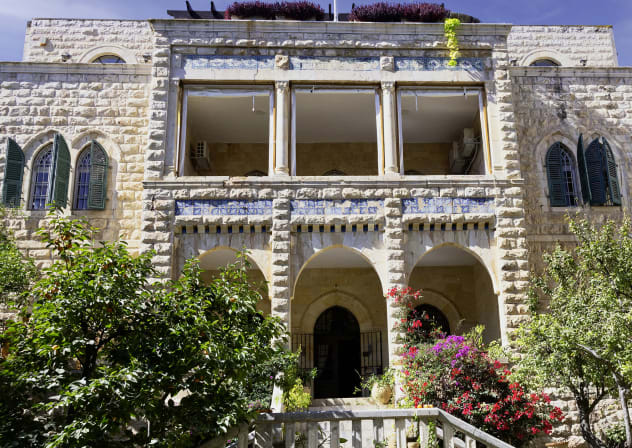
Inside Jerusalem’s Arab houses, where architecture outlives empires and residents

Givat Mordechai: Where students, scholars, and history meet

Open House: A behind-the-scenes look at Jerusalem

Har Homa: Jerusalem’s southeastern gateway
Romema: Jerusalem's uplifting neighborhood
Neighborhood Corner: Romema serves as Jerusalem’s transportation hub, featuring the Jerusalem Central Bus Station, Chords Bridge, and a high-speed railway terminus.

How Anglo immigrants thrive in Jerusalem's Arnona neighborhood
At the Table: The buildings on Tzvi Noyman and Hashofet Chaim Cohen streets are more than just pleasant domiciles. They have become something of a retiree summer camp.

Talbiyeh’s timeless appeal - one of Jerusalem’s most elegant neighborhoods
Modern Talbiyeh is a blend of its historic roots and contemporary influences, attracting a diverse population.

Sanhedria: Living in the Great Council’s long shadow
The neighborhood is named after the 70 members of the Sanhedrin. Tradition holds that their tombs are located on the neighborhood's outskirts.

City of David: Jerusalem's ancient capital and modern vision
The City of David remains a captivating blend of archaeological wonder and contemporary life, offering visitors a compelling journey through layers of civilizations.

Beit Safafa: The Palestinian village that became part of Jerusalem
Neighborhood Corner: Beit Safafa, originally a Palestinian village along the Green Line, holds a significant place in the history of Jerusalem, with its origins dating back to the Crusader era.

Nayot: Peace and quiet amid Jerusalem’s hustle and bustle
Neighborhood Corner: Nayot’s quiet streets and lack of major city establishments has led it to focus on its residential importance. Many young families find a perfect place to raise their children.

Kiryat Hayovel: A hub of remarkable diversity
Looking ahead, the future of Kiryat Hayovel appears promising, fueled by the energy and creativity of its diverse population.

Yemin Moshe: Where past and future fuse
Neighborhood Corner: Yemin Moshe is one of Jerusalem’s more upscale neighborhoods in terms of real estate, surrounded by gardens with a panoramic view of the Old City walls.

Arnona Hills: Jerusalem’s newest residential gem
Our Homes: Surrounded by breathtaking nature on the edge of the Judean Hills and overlooking the valleys below, this new gem promises a lifestyle of luxury and tranquility.
