Parasha
Parashat Lech Lecha: Having the courage to stand alone
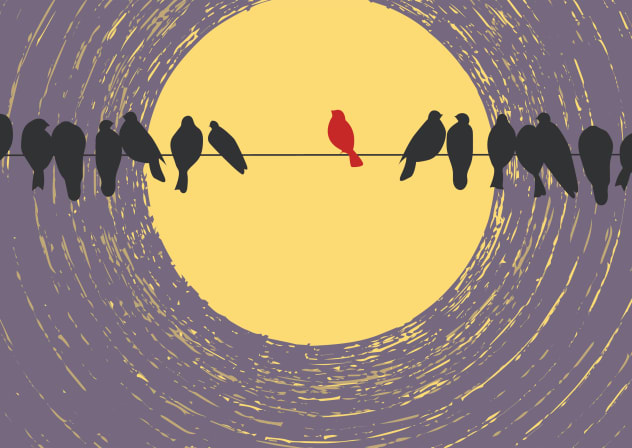
Abraham’s willingness to stand alone would become a defining feature of our nation. As his descendants, we would desperately need that same strength.

Parashat Lech Lecha: There is no wisdom like that gained through experience

Parashat Bereishit: The world of water

The imagination that began it all: The Persian-Jewish poet bringing Genesis back to life - opinion
Simchat Torah 2026: What exactly are we so joyous about?
The joy of Simchat Torah is not merely an individual’s personal joy. It is joy about the Torah that exists within the people of Israel.

An unimaginable idea: When does God ignore idolatry by Jews?
Rabbi Hayyim urges us to remain a unified nation; a people that does not block highways or burn tires, engage in vandalism against those with whom we may differ, or delegitimize other Jews.

Israel after Oct. 7: What Moses teaches us about survival and responsibility
As Israel emerges from three years of war, Moshe’s ancient message offers a powerful reminder: surviving tragedy is only the beginning. We must also decide what we stand for.

Parashat Nitzavim: Why we are all responsible for one another
In a world increasingly focused on personal success, Parashat Nitzavim reminds us that no one stands alone. Our fate is bound together, and we are responsible for one another.

Parashat Ki Tavo: The finest generation
Elul's call to confession requires more than admitting failure. Authentic teshuva also means recognizing personal growth and the courage, sacrifice, and resilience of this generation.

Parashat Ki Tavo: The power of joy
Parashat Ki Tavo teaches that joy is not a luxury but a religious obligation, revealed through gratitude, generosity and serving God with a sincere and joyful heart.

Haftarat Ki Tetze: When others destroy, Jews rebuild and make things greater
Jerusalem has endured exile and loss, but Isaiah tells her not to look only at what has been destroyed. She must look ahead to what will be rebuilt.

Parashat Ki Tetze: Set adrift on the island of Elul
Parashat Ki Tetze abruptly shifts from collective responsibilities to personal ones. It is the densest legal section of the Torah, containing more commandments than any other parasha.

Parashat Ki Tetze: Creating a deep bond and the secret of marriage
The relationship between a man and a woman is also, in a sense, a reflection of the relationship between a person and his Creator.

What is the connection between Zionism and planting trees in Israel?
Trees have repeatedly been destroyed by war, fires, and other causes, but we have always planted again as an expression of Jewish resilience and rebuilding.
