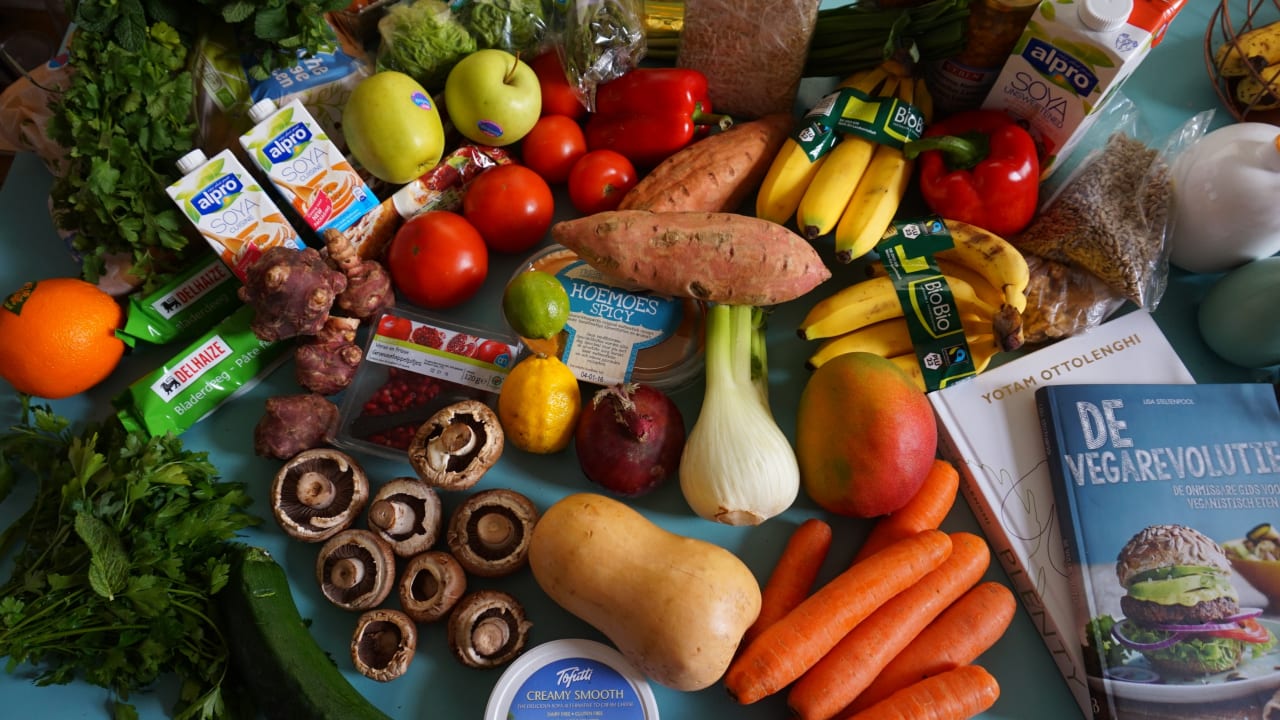
Cats have to eat meat to survive, while dogs can manage on a vegetarian diet. But what about human infants? Will eating only grains, vegetables, and fruits stunt their growth?
The safety of a plant-based family regimen, particularly of vegan diets during pregnancy and infancy, is debated, and large population data on infant growth are scarce.
Now, a landmark study by researchers at Ben-Gurion University of the Negev (BGU) in Beersheba that included almost 1.2 million infants examined at well-baby clinics (tipat halav) suggests that they’ll be fine without meat, chicken, fish, or even dairy foods.
According to estimates, between 5% and 8% of Israelis are vegan (whose diets do not include any animal products), while 10% to 13% are vegetarian (diets that include eggs and dairy), so about one in eight Israelis don’t eat meat.
The number of vegans/vegetarians has grown rapidly from only 2% or 3% in 2010. This country is described as one of the most vegan-friendly countries in the world, and Tel Aviv is frequently called the “vegan capital of the world,” with hundreds of vegan or vegan-friendly restaurants.

While the global shift toward plant-based living continues to accelerate, a critical question has lingered for parents and pediatricians.
Research finds that vegan, vegetarian babies follow strong growth trajectories
Led by Kerem Sara Avital (who earned a master’s degree in public health and is completing her doctorate there), and working with the Health Ministry’s Nutrition Division, the research has just been published in the journal JAMA Network Open, under the title “Growth trajectories in infants from families with plant-based or omnivorous dietary patterns,” this massive dataset allowed the team, which was guided by Prof. Danit Shahar, to transcend small-scale debates and provided population-level evidence.
Additional researchers included Uri Hamiel (at Tel Aviv Sourasky Medical Center) and Naomi Fliss-Isakov and Moran Blaychfeld-Magnazi (of the ministry’s Nutrition Division).
“We found that infants from vegan and vegetarian households follow growth trajectories nearly identical to their omnivorous peers by age two,” Avital told The Jerusalem Post in an interview. This study analyzed a decade of records (2014 to 2023) provided by the ministry in Jerusalem, which tracks the development of some 70% of all the children in the country.
“We found that infants from vegan households closely tracked their omnivorous peers across all measurements, weight, length, and head circumference, with mean differences that were clinically minor and diminished further when adjusted for birth weight,” said Avital, who has herself been a vegan for 23 years.
“While infants in vegan households had higher odds of being underweight in the first 60 days of life, this disparity diminished and was no longer statistically significant by their second birthday. By age 24 months, stunting rates remained low across all dietary patterns with no statistically significant differences in odds between groups.”
The researchers stressed that well-planned plant-based diets with access to nutritional counseling during pregnancy and infancy are important to support optimal infant development. “In the context of developed countries, these findings are highly reassuring,” said Avital.
The data suggested that with the proper environment, plant-based diets do not compromise the fundamental physical development of infants,” she asserted. “As veganism moves from a niche lifestyle to a global health trend, our study research provides the scientific bridge needed to inform international public health policy and nutritional counseling for the next generation.”
The retrospective study used tipat halav data collected from January 1, 2014, through December 31, 2023.
The family diet was recorded at least six months after the babies’ births. It revealed that those from vegan households exhibited minimal differences in mean growth compared with their counterparts from omnivorous households.
However, infants from vegan households had a modestly higher odds of underweight and stunting in early infancy, although these differences diminished by age 24 months.
Plant-based diets have been increasingly adopted in Western countries. Evidence suggests that vegan nutrition can reduce the risk of chronic diseases and improve cardiometabolic outcomes. But concerns persist about nutritional adequacy in pregnancy and early childhood, particularly with regard to vitamin B12, iron, iodine, vitamin D, calcium, and long-chain omega-3 fatty acids.
However, evidence on how vegan or vegetarian family dietary patterns influence early-life growth remained limited. Until this new research, there was no nationwide study that compared growth trajectories and growth status indicators among infants from vegan, vegetarian, and omnivorous households.
Children following a vegan diet typically exhibit lower cholesterol levels and a reduced prevalence of overweight and obesity compared with children following an omnivorous diet, but poorly planned vegan diets can result in deficiencies.
Furthermore, modern vegan diets in Western countries often include highly processed alternatives to animal-based foods that are not recommended and may replace minimally processed plant foods. Many prepared baby foods sold in jars have high levels of sugar.
“Our findings highlight the importance of nutritional counseling and pediatric follow-up of infants and children from vegan households, as well as pregnant and breastfeeding mothers. Vegan diets are generally higher in fiber, are lower in saturated fats, and have favorable nutrient profiles, possibly explaining their association with lower obesity odds.
“However, since nutritional adequacy varies widely among families, future research should assess actual intake, supplementation, and biomarkers to better characterize diet quality in children from vegan households. Work is needed to clarify how the quality of their vegan diet, how the child continues to develop, and what nutritional counseling during pregnancy and infancy supports optimal infant development,” she pointed out.
“The first 1,000 days of life, including in the womb and the first two years after birth, constitute a crucial period for human development. The mother’s and child’s nutritional statuses during this period have substantial short-term health implications that range from stunting and underweight to obesity,” Avital concluded.