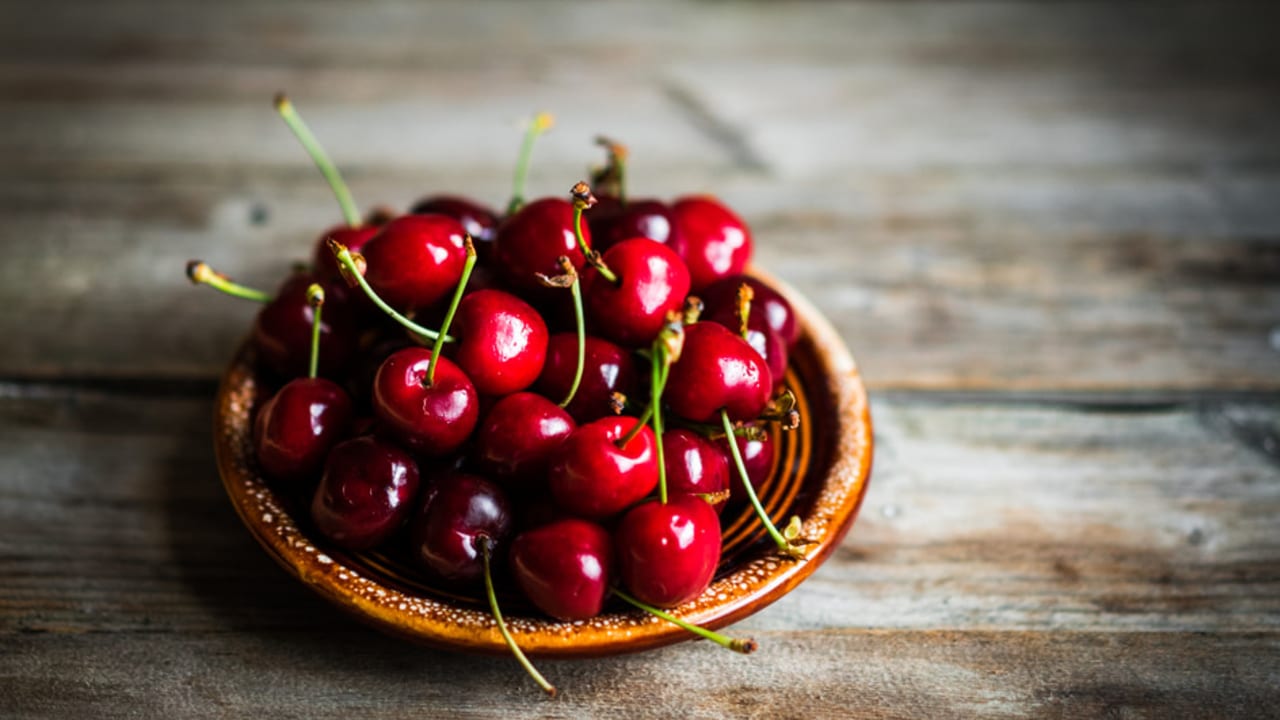
In the past, red wine was considered a “superfood” due to its components that help reduce the risk of heart disease. But did you know there’s a red, sweet, accessible fruit with similar and even more powerful health benefits than grapes? The cherry is not just a tasty addition to a cake or smoothie, but a small, natural, and sweet remedy.
Low in calories
Cherries contain only about 63 calories per 100 grams, so a standard fruit serving in a diet would include about 150 grams of cherries – a relatively generous amount that provides a rich taste and a feeling of satiety.
Good for diabetics
Even though the sweet taste might suggest otherwise, and although cherries contain about 13% to 16% natural sugar, does it matter? Not really. Again – it’s important to remember that this is one of the fruits with the lowest glycemic index – meaning its sugar is absorbed slowly and does not cause a sharp spike in blood sugar levels. Therefore, even diabetics or those trying to maintain stable insulin levels – can enjoy them in moderation.
While grapes, bananas, and dates quickly raise blood sugar, cherries have an average glycemic index of only 22–25 – the lowest among all common fruits. And it's not just the cherries themselves – a study published in the Journal of Nutrition found that drinking cherry juice led to only a minimal increase in sugar levels, compared to other juices like orange or apple juice.

Heart health – like wine, but without the alcohol
Cherries have a particularly high concentration of polyphenols and anthocyanin antioxidants – the same compounds that give the fruit its reddish-purple color. These substances help reduce inflammation, slow down oxidation processes – and protect blood vessels and the heart.
A study conducted at the University of Michigan found that a cherry-rich diet reduced inflammation markers and lowered "bad" cholesterol (LDL) among overweight participants. Additionally, a clinical study published in the European Journal of Nutrition showed that consuming cherries for four weeks improved endothelial function – the inner cell layer of blood vessels – which is considered a key risk factor for heart disease.
For a better mood and deeper sleep
Cherries are among the few fruits that contain tryptophan – an amino acid the body uses to produce serotonin (the mood hormone) and melatonin (the sleep hormone).
Natural melatonin helps with faster falling asleep, better quality sleep – and fewer awakenings during the night.
The same study I mentioned earlier also claims that consuming cherries twice a day improved sleep quality and extended sleep duration by about 85 minutes on average. Sounds like a lot, and how will we know if it's true? We’ll have to try.
Against muscle pain and inflammation
Are you a runner or gym-goer? Cherries can help here too. Thanks to their high anti-inflammatory activity, cherries have also been studied in the context of muscle recovery after physical exertion.
Another study published in the British Journal of Sports Medicine found that drinking tart cherry juice for 8 days reduced muscle pain after intense running.
Additionally, other studies have found that cherries may reduce levels of uric acid in the blood, thus helping people suffering from gout – a painful condition associated with joint inflammation.
A superfood for the brain
The antioxidants in cherries aren’t just good for the heart – they also help prevent oxidative damage to the brain. There is early research suggesting that cherry consumption may improve cognitive function in older adults, thanks to their anti-inflammatory and cell-protective properties.
For Dr. Maya Rosman's course: How to improve your health and lose weight in a sane and logical way – click here