
Many have recently been complaining about mental fog, difficulty concentrating, irritability, or a decline in mood. The reasons are clear – after almost three years of living in the shadow of endless wars on various fronts, it would even be surprising to find those who were not affected at all by the situation.
But what do you do when “the situation” is far from ending and even harder days are still expected in the future? It may be that the solution does not necessarily start in the head but rather in the gut.
In recent years, scientific understanding of the gut–brain axis has been strengthening, a two-way communication system between the digestive system and the brain. What happens in the gut affects emotion, concentration, sleep quality, and even anxiety levels, and vice versa. Stress can cause stomach pain, diarrhea, or bloating, but an imbalance in gut bacteria can also affect mood and cognitive function.
According to neurologists and nutritionists, there are several foods that can strengthen this connection, nourish the good bacteria, and improve the way we think, feel, and cope with stress.
First of all: Fermented foods
The basis for a healthy gut–brain axis starts with a diverse microbiome. Yogurt, kefir, kimchi, fermented butter, and probiotic drinks provide friendly bacteria that help maintain proper communication between the digestive system and the nervous system.
These bacteria influence the production of short-chain fatty acids, substances that have been found to be linked to the production of serotonin, a hormone that affects mood, feelings of calm, and even learning and memory.
Foods that improve mood
One surprising fact is that about 95 percent of serotonin in the body is produced in the gut. Therefore, foods that support gut health can directly affect mood and sleep. Experts recommend including:
• Bananas
• Nuts and almonds
• Seeds
• Eggs
• High-quality dark chocolate
This combination provides tryptophan, magnesium, good fats, and antioxidants, components that can help produce important neurotransmitters.
Reducing brain inflammation
Gut health is also linked to levels of inflammation in the body and brain. When the gut is unbalanced, increased intestinal permeability may develop, a condition that increases inflammatory processes that can affect concentration, memory, and feelings of brain fog.
To reduce this inflammation, it is recommended to add to your diet:
• Berries
• Turmeric
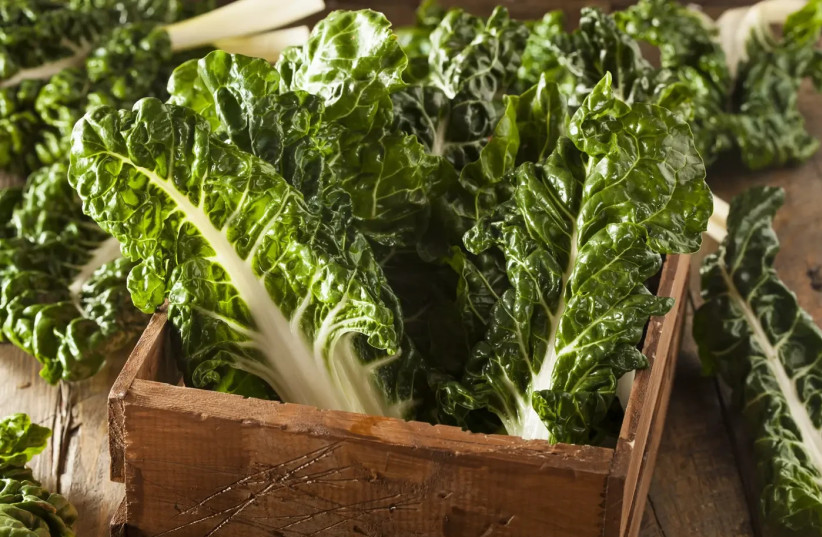
• Leafy greens
• Walnuts
• Fatty fish such as salmon and sardines
• Olive oil
All of these are classic anti-inflammatory foods that nourish both the brain and the gut.
Focus and vitamin absorption
A balanced gut absorbs vitamins and minerals essential for the brain, such as iron, magnesium, and B vitamins. Therefore, it is worth including in the diet:
• Oatmeal
• Brown rice
• Spinach
• Lentils
• Legumes
• Whole grains
These foods also provide prebiotic fiber, meaning “food” for good bacteria, as well as components that help maintain steady energy throughout the day.
What helps against stress and anxiety
Anxiety and daily stress are also strongly connected to the gut–brain axis. When gut bacteria are balanced, the nervous system’s response to stress also tends to be more moderate. Particularly notable here are:
• Herbal tea
• Fiber-rich fruits
• Fermented foods
• Garlic
• Onion
• Banana
• Oatmeal
Garlic and onion are rich in prebiotics, which nourish friendly bacteria and help maintain neural stability.
What should be reduced?
To maintain a strong gut–brain axis, it is important to reduce foods that harm the microbiome:
• Processed snacks
• Fried foods
• Canned food
• Excess sugar
• Artificial sweeteners
• Sweetened drinks
These foods have been linked to increased inflammation and worsening brain fog and mood swings.
In conclusion, if you want to think more clearly, improve your mood, and feel calmer, it is worth starting with your plate. Yogurt, walnuts, turmeric, dark chocolate, fatty fish, and leafy greens are not just “healthy foods,” but part of a deep mechanism that connects the gut and the brain.