Netanyahu trial resumes as defense phase moves beyond prime minister
Sunday’s hearing focused primarily on organizing the witness schedule and determining which defense witnesses will be called, rather than hearing new evidence.

Sunday’s hearing focused primarily on organizing the witness schedule and determining which defense witnesses will be called, rather than hearing new evidence.


"We didn't ask questions about who and what," the prime minister said. "We asked: 'What needs to be done to help?'"

Netanyahu told CNN that he had spoken to Trump about his concerns regarding the possibility that the sale could disrupt the balance of power in the region.

The prime minister stepped off the witness stand last week, as the defense is due to present other witnesses.

Netanyahu said prosecutors had caused him to give answers that could be portrayed as inconsistent, despite what he said was a clearer picture in the underlying testimony and records.

Netanyahu acknowledged his tense call with President Trump earlier this week, saying that the two have “tactical disagreements,” but highlighted that they “agree on the main things.”
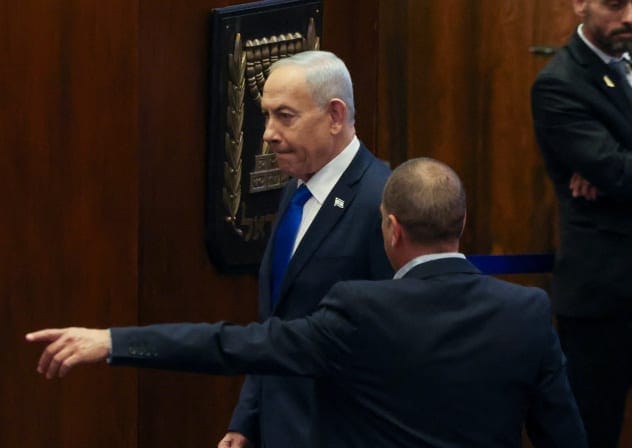
KAN’s "Zman Emet" investigated how supporters and insiders allegedly pressured processes in Netanyahu’s ongoing corruption trial, and discussed whether Herzog held secret meetings to pardon him.

Netanyahu’s defense enters its final stretch, with Case 4000 concluding and prosecutors now tackling Case 2000 - allegations of bribery in Netanyahu’s dealings with Yediot Aharonot publisher, Mozes.
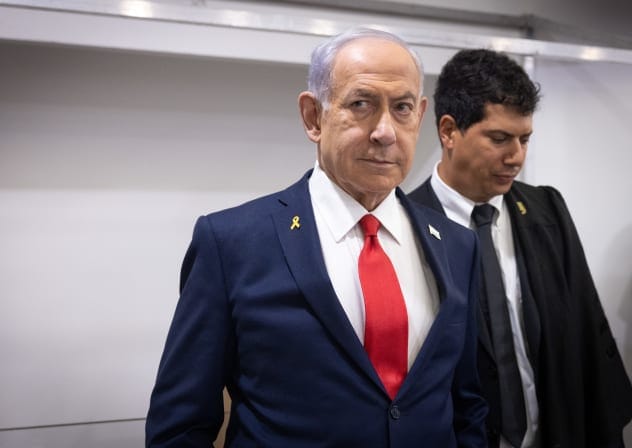
When asked how Iran's supply of enriched uranium could be removed from the country, Netanyahu replied simply that "You go in, and you take it out."

US President Donald Trump was reportedly surprised that Prime Minister Benjamin Netanyahu had to return to trial on Wednesday, Axios reported.

In a filing submitted Tuesday, Netanyahu’s attorney Amit Hadad asked the court to hold Wednesday’s hearing only from 12:30 p.m. to 4 p.m., citing a “security matter."