Britain tried to stay out, Iran hit Cyprus anyway, and Hegseth’s warning landed - comment
Pete Hegseth argues for swift action against Iran, but with conflicting intelligence, is this bold strike the right move for peace?

Pete Hegseth argues for swift action against Iran, but with conflicting intelligence, is this bold strike the right move for peace?


The home front is no longer behind the lines; missiles, digital incitement, and unrest make every city a battlefield.

Real change occurs when the mechanism of loyalty begins to crack; when those loyalists understand that, at a decisive moment, they may find themselves standing alone.
Last week's visit to Israel by radical right-wing podcaster Tucker Carlson was so peculiar it almost parodied itself.

Smotrich is a light-year away from the Israeli consensus. Why does a man who represents but a marginal, detached, and minuscule part of Israeli society sit on its national chest?

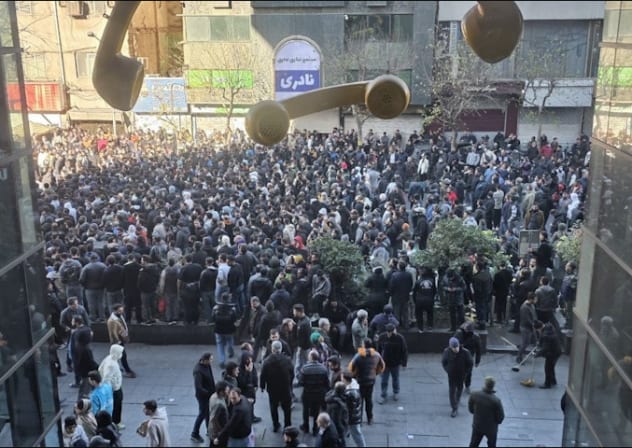
All of this began not with Iranians who took the streets, not protesting against uranium enrichment or ballistic missiles, but for freedom, liberty, and basic rights.

I’ve interviewed a lot of people while in this job. There is a type of public figure who has spent so many years being watched that everything they do has become a performance. Modi wasn’t that.

Iranian officials couched their proposal in maximalist terms - not the language of a party intent on genuine breakthrough agreements but one of a regime intent on extracting breathing room.

On the 34th anniversary of the Khojaly massacre, Rabbi Zamir Isayev reflects on why October 7 resonated so deeply in Baku and what that shared memory means for Israelis today.

Carlson is no longer merely offering commentary. He is actively undermining the central pillars of Trump’s legacy.

A close reading of Trump’s State of the Union address did not clarify the direction he intends to take, but did reveal the president’s genuine deliberation regarding the next phase.
