Archaeology
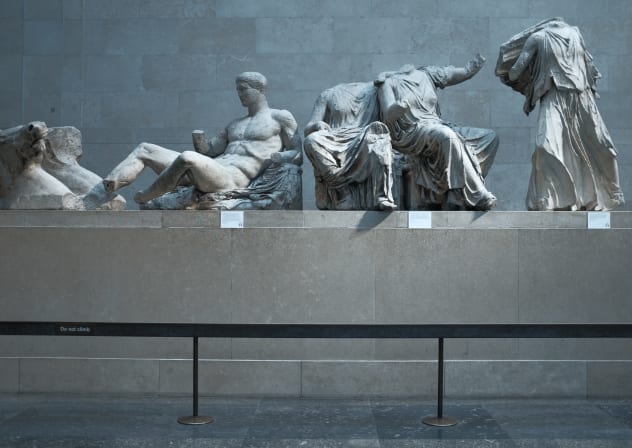
Greece denies German museum's bid for Parthenon Sculptures amid British Museum ownership fight
The sculptures are slated to go on display in November as part of Liebieghaus’s upcoming exhibition titled “Athena, the Stage is Yours: The Parthenon Puzzle.”

Turkey unearths rare statues of Roman Emperor Hadrian, Empress Sabina in ancient Mediterranean city

Bronze Age hoard, Egyptian diamonds: String of museum heists throughout August shake Europe
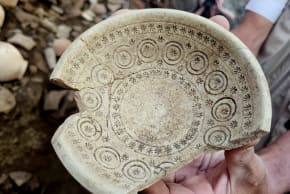
Roadworks in Tbilisi uncover oldest medieval pottery cache ever found in Georgian capital
Mudbrick Byzantine city unearthed during excavations at Egypt's western desert oasis
The discovery helps “highlight the cultural diversity witnessed by the Egyptian oases throughout different historical periods," said Egyptian Tourism and Antiquities Minister Sherif Fathy.

'Once-in-a-generation' expedition sets sail to survey famed polar expedition ships
The targets of the new survey include Quest, a schooner-rigged steamship captained by Sir Ernest Shackleton, and Terra Nova, Captain Robert Falcon Scott’s whaler and polar expedition vessel.

Hijacking history: How messianic extremists are weaponizing Israeli archaeology - opinion
Right-wing extremists have spent decades perfecting the use of archaeology to promote their messianic ideology and sabotage diplomatic efforts.

Secrets of Huqoq: New Galilee exhibit premieres mosaics, coins found at ancient Jewish settlement
The ruins of the ancient settlement of Huqoq, which reached its peak during the Roman-Byzantine period, sits in the heart of the Amiad Forest in an open space near a spring of the same name.

New sections of ancient Egyptian temple reveal inscriptions of Pharaoh Psamtik I
The temple dates back to Egypt’s 26th Dynasty, the last native dynasty of ancient Egypt before the Persian conquest in 525 BCE.

After 200 years in ruin: Greece unveils complete restoration of Parthenon's western pediment
The external scaffolding hiding the Parthenon’s western face was removed in early June following the completion of the monument’s back wall.

Frescos from famed Etruscan tomb go on display in Rome after multi-million euro purchase by Italy
The Italian state spent €15 million on a series of celebrated frescoes found in the central hall of the tomb, which were painted between 340 and 320 BCE.

New AI-powered research project aims to uncover the origins of the Dead Sea Scrolls
Research methods will include state-of-the-art chemical, artificial intelligence, paleographical, and codicological analysis of approximately 250 samples of the scrolls from the IAA's collection.

Bread dead redemption: Scientists bake sourdough with yeast grown in 5,300-year-old mummy
Sarhan also told AFP the team would consider using the yeast to brew beer, but the published study focused on more serious uses for their discovery.

Turkey places site of Alexander the Great’s first battle with Persians under historic protection
Under the Çanakkale Regional Board for the Protection of Cultural Heritage’s decision, both the battlefield and its surrounding areas have gained the protected status.
