Neanderthals
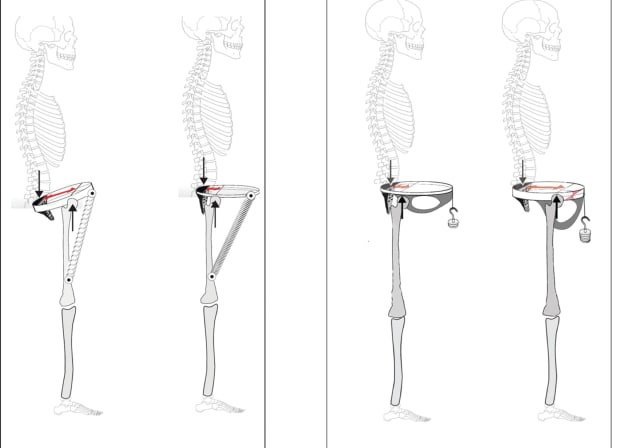
Modern human men evolved unique hip 'spring' for efficient walking, Israeli-led study finds
A new Tel Aviv University study challenges assumptions about the Neanderthal pelvis, finding that modern human males evolved a distinct walking mechanism.

WATCH: A Paleolithic time capsule: Rare prehistoric cave discovered near highway outside of Haifa

Neanderthals' ancient toolkit included hammers, blades made from rhino teeth, study finds

Neanderthal tooth from Siberian cave shows signs of earliest-known invasive dental surgery - study
Do you have Neanderthal teeth? Study shows how neanderthal genes shape modern human mouths
At least one gene believed to have been inherited due to interbreeding with ancient humans.

New studies show humans and Neanderthals interbred over 7,000 years
Neanderthal ancestry entered the human genome over an extended period between 50,500 and 43,500 years ago.

Boy, 9, finds 60,000-year-old Neanderthal hand axe
Neanderthal hand axes are rare in Sussex; this is the first to be found in years, making Ben's discovery doubly special.

New Neanderthal lineage discovered in France
A discovery of an isolated gene of Neanderthal DNA in France could potentially explain extinction patterns.

Revelation of Neanderthals with Down syndrome places special emphasis on caregiving - study
The study, which was published late last month in the journal Science Advances, centers its findings on how disabled individuals among the Neanderthal population were often cared for.

Modern man reached northwest Europe more than 45,000 years ago
The arrival of Homo sapiens in cold northern latitudes took place several thousand years before Neanderthals disappeared in southwest Europe

Scientists discover oldest Neanderthal engravings ever found
The finding in France involves a series of non-figurative markings on the wall, which the team interpreted as finger-flutings, marks made by human hands.

Neanderthal genes still affect modern-day humans - study
Though Neanderthals have been extinct for tens of thousands of years, their genetics still make up anywhere from 1% to 4% of the human genome.
Modern human noses may be inherited from Neanderthals - study
Scientists found that the shape of human's nose may be inherited from Neanderthals and may have helped humans adapt to cooler climates after leaving Africa.
New archeological evidence suggests Homo sapiens settled Europe in waves - study
How did humans arrive and settle in Europe, and how did they interact with the Neanderthals who were already there?
